General Information
Titles
The Goddess of Fate and Music
The Weaver of Destinies
The Harmonious Guide
Edicts
Inspire through art, respect fate and free will, guide the lost, celebrate beauty.
Anathema
Suppress art, impose fate, neglect to guide, refuse artistic practices.
Areas of Concern
Fate, Music, Art, and Freedom
Pantheons
Symbol
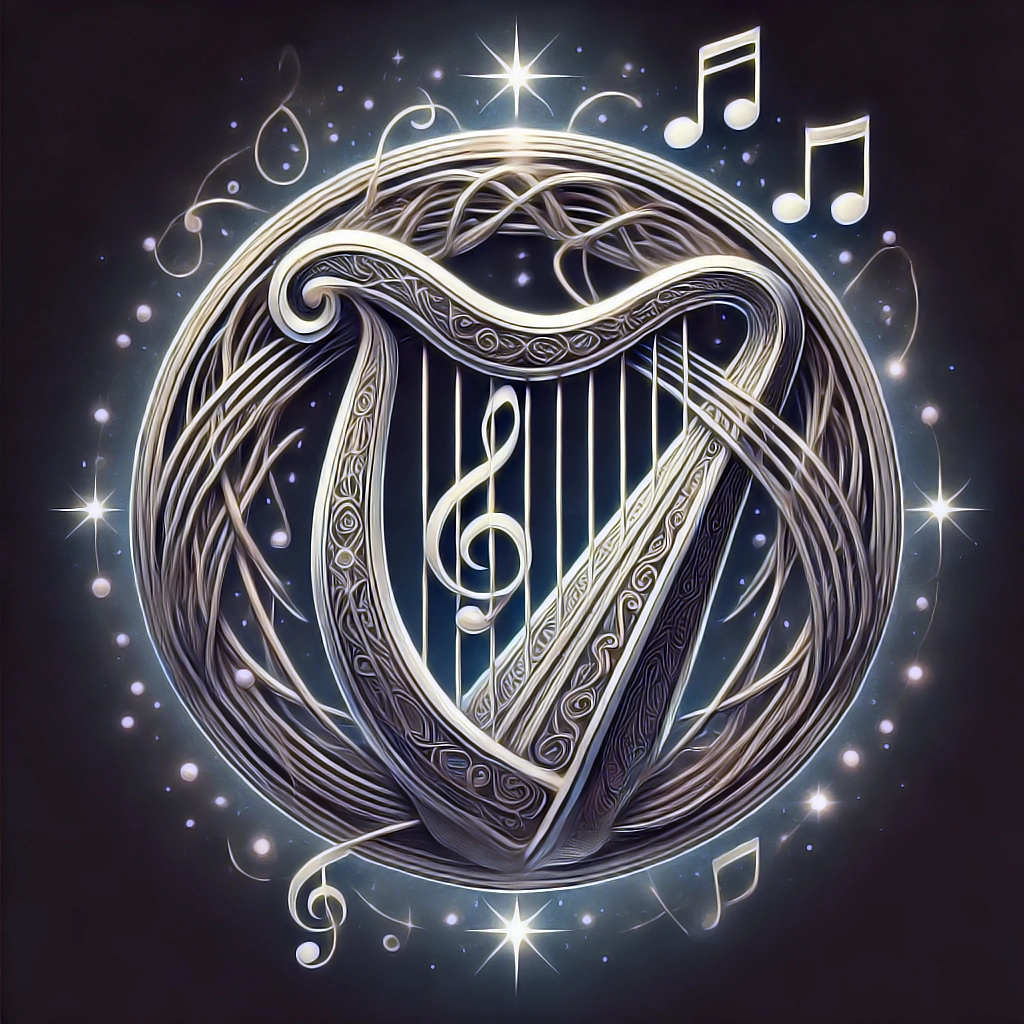
A harp entwined with a weaving loom
Sacred Animal
Nightingale
Sacred Colors
Silver and Midnight Blue
Artistic Holy Symbol
Divine Intercession
Boons
Minor Boon
Moderate Boon
Major Boon
Curses
Minor Curse
Moderate Curse
Major Curse
Devotee Benefits
Divine Ability
Charisma or Dexterity
Divine Font
Heal
Divine Sanctification
Holy
Divine Skill
Performance
Favored Weapon
Harp (treated as a shortsword for cleric weapon proficiency)
Domains
Fate, Luck, Passion, Protection
Alternate Domains
Cleric Spells
1st Level: Concordant Choir
2nd Level: Sonata Span
3rd Level: Percussive Impact
4th Level: Infectious Melody
5th Level: Synesthesia
6th Level: Phantom Orchestra
7th Level: Curse of the Spirit Orchestra
8th Level: Uncontrollable Dance
9th Level: Unfathomable Song
Description
Personality and Philosophy
Lysara is known for her gentle yet firm guidance, balancing the delicate threads of fate with the melodies of the universe. She believes in the power of choice and the impact of individual actions on the grand tapestry of life. Lysara encourages her followers to embrace both the joys and sorrows of life, as each note contributes to the symphony of existence.
Lysara’s teachings emphasize that fate is not a rigid path but a flowing river, which can be influenced by the decisions and passions of those who journey upon it. She teaches that music and art are expressions of the soul’s deepest desires and are key to understanding and influencing one’s destiny.
Appearance and Iconography
Lysara is often depicted as a serene and graceful figure, her presence exuding calm and wisdom. Her flowing silver hair symbolizes the threads of fate she weaves, while her gown, adorned with musical notes and woven patterns, represents the interconnectedness of all things. The harp she carries is both a weapon and an instrument, capable of soothing hearts or striking fear into those who seek to impose their will upon others.
Her iconography frequently includes symbols of harmony and balance—musical notes, threads, and scales—representing the equilibrium between destiny and free will. The nightingale, her sacred animal, is often shown perched upon her shoulder or flying above her, singing melodies that guide lost souls.
Worship Practices
In addition to daily prayers and musical services, Lysara’s followers practice The Rite of the Loom during significant life events such as births, marriages, and deaths. This ritual involves weaving a symbolic thread into a communal tapestry within the temple, representing how each life is interwoven with the greater destiny of the world.
The Song of Fate is a sacred hymn sung by the community during times of uncertainty or change. This hymn is believed to resonate with the threads of fate, helping to guide decisions and bring clarity to those in doubt.
Journeys of Melody are pilgrimages that followers of Lysara undertake to places of great natural beauty, where they create and perform music that echoes through the land, believed to strengthen the bond between nature, fate, and freedom.
Temples and Clergy
Temples dedicated to Lysara are architectural marvels designed for both their beauty and acoustics. The Grand Temple of Lysara in Eirendor’s capital is known for its massive central hall, where the slightest sound can be heard clearly throughout the entire space. The walls are adorned with tapestries depicting scenes from Lysara’s myths, and instruments of all kinds are placed throughout the temple for worshippers to use.
Clerics and bards devoted to Lysara wear robes of silver and midnight blue, often embroidered with musical notes and symbols of fate. They are highly respected within society, often acting as advisors, diplomats, and mediators, using their wisdom and artistry to resolve conflicts and guide communities.