Margalle, The Crimson Isle
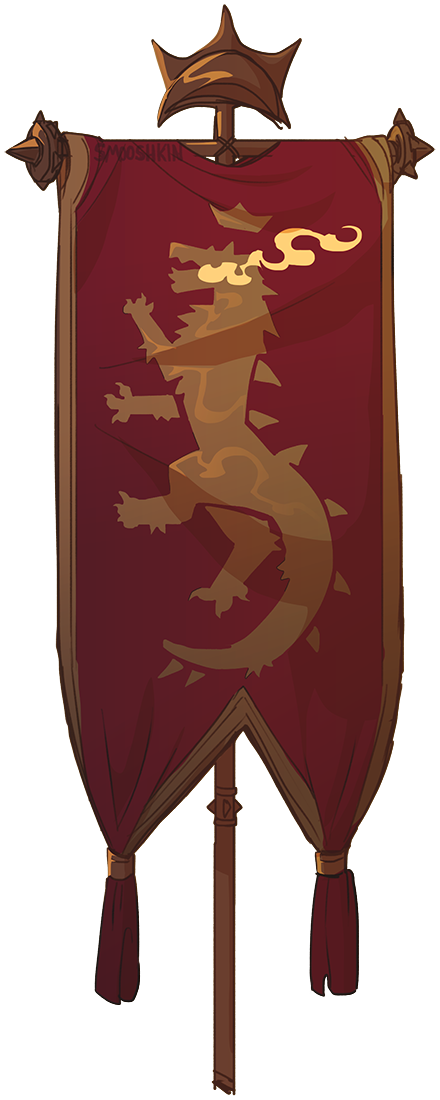
To approach the shores of Margalle is to sail into a wound in the world. The familiar, turquoise waters of the Arunean sphere bleed away, replaced by a deep, unsettling crimson. The sea here is the color of old wine and fresh blood, a strange and beautiful stain upon the Oraen. The Margallans say it is the lifeblood of their island, the rich minerals exhaled from the volcanic vents that sleep in the deep, a constant, simmering reminder of the molten heart that beats beneath their feet. The air itself changes, growing thick with the sharp, metallic tang of sulfur and the heavy, sweet perfume of strange, hothouse flowers that thrive in the island's geothermal heat.
The coastline is not a gentle shore, but a fortress of black, volcanic rock, carved by the waves into jagged, unforgiving cliffs that rise from the crimson tide like the teeth of some great, dead beast. Here and there, vast fields of ruby-red seaweed cling to the rocks, swaying in the current like silken banners, their color so vibrant it seems to dye the very water around them. This is the foundation of the Margallan aesthetic: a world of stark, violent beauty, a beautiful, angry jewel set in a bloody sea.
The city of Reymere is a testament to this philosophy. It is both a fortress and a ballroom, a place of velvet and steel. The buildings are carved from the same black, volcanic stone as the cliffs, their surfaces polished to a mirror-like sheen that reflects the crimson light of the sea and the fiery glow of the setting sun. But this is not a place of grim, spartan utility. Every dark surface is a canvas. Intricate, swirling inlays of silver and gold trace their way across the black stone, not in the simple, elegant lines of Arune, but in the decadent, thorny patterns of wild roses and night-blooming, poisonous flowers.
The people of Margalle are a reflection of their home. They are a culture of warriors and poets, of duelists and dancers. It is the fashion here, for both men and women, to wear their hair long, great waves of black or deep brown that fall like silk. Their eyes are often dark, holding the heat of the mountain's heart, and they move with a duelist's fluid, predatory grace. Their colors are the colors of their island: the deep maroon of cooled lava, the stark black of volcanic glass, the brilliant, arterial crimson of their banners, all accented by the flash of gold and silver.
The sound of Reymere is the sound of fire and passion. It is the rhythmic, percussive clang of a thousand blacksmiths' hammers forging the finest blades in the known world, a sound that echoes through the narrow, winding streets. It is the hiss of steam from geothermal vents, a constant, angry sigh from the living mountain below. And at night, it is the sound of a single, passionate lute, its melody a thing of soaring joy and profound, heartbreaking sorrow.
This is the world that forged Arune's greatest rival. It is a city of decadent, dangerous beauty, a culture that finds a deep, spiritual pride in its own martial prowess and its passionate, often violent, nature. It is a place of breathtaking, bloody color, built on a foundation of absolute, unbending will. It is a beautiful, elegant, and perfectly forged weapon.
The Kingdom of Margalle
Geography: A large, volcanic island nation, accompanied by its own archipelagos and straits.
Culture & Economy: Margalle is the historical enemy of Arune, engaging in naval conflict with the empire for decades.
Notable Kingdoms & Locales:
Straule: The ruling kingdom of Margalle.
Reymere: The capital city of Margalle.
Fayland: A kingdom within Margalle, containing the Wyewood Forest.
Wolfshore: The western island of Margalle.