“Quote about deity”
Demigoddess of Flowers
At A Glance
Names: Goddess of Flowers, Goddess of the Pomegranate, The Lonely Goddess
Pronouns: She/Her
Alignment: Neutral Good
Province(s): Flowers
Cleric Domain(s): Twilight, Nature
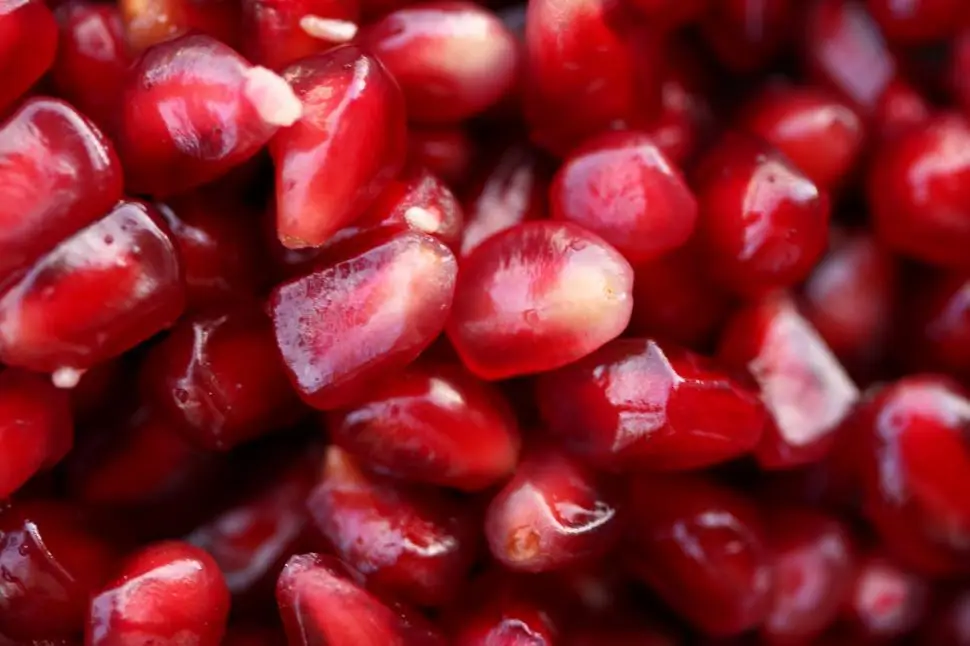
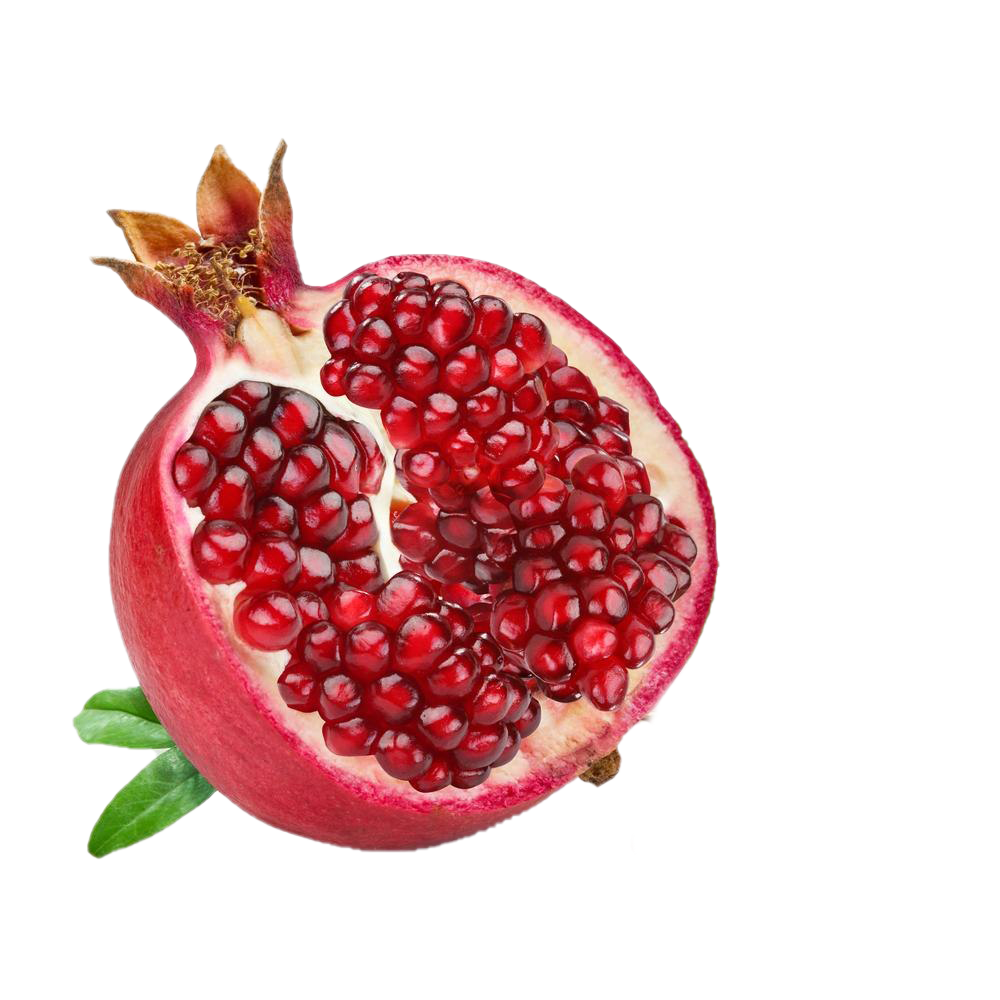
Common Symbol: A pomegranate
Followers: Some botanists
Religious Orders: <Factions or groups that champion this deity’s goals or ideals>
Overview
Profile
Persephone is the daughter of Aphrodite, though the exact circumstances of her birth are obscured. Aphrodite claims they created the child themselves, but rumors abound that Persephone was born of an illicit union between Aphrodite and another deity, although who exactly varies with each telling.
Persephone, Goddess of Flowers, is one of the weakest and youngest deities. Her domain earns her little respect, and many view her as little more than a glorified flower nymph, as she barely has the power to qualify as a deity.
She is also known as Goddess of the Pomegranate, as she created the pomegranate tree. This title is often used derogatorily, with the implication that creating the pomegranate tree is the only thing she ever has or will accomplish.
Depictions
Appearance
Persephone is often depicted as being made entirely from flowers.
Holy Symbol
Persephone's followers are few and far between. Most of her followers are druids and botanists, although they rarely take efforts to reveal their devotion. According to one follower, this is in solidarity with the goddess's desire to move through the world unrecognized.
Influences
Goals
Persephone desires to separate herself from the rumors of her birth and weakness. She spends much of her time wandering The Feywild and The Material Plane in disguise, seeking to live a life free from rumors and judgement.
Myths and Deeds
<Summarize well-known stories in this deity’s canon. This can be especially useful if there are lessons to be drawn from the stories that can be taught to followers.>
Myth 1
<Myth 1>
Myth 2
<Myth 2>
Myth 3
<Myth 3>
Worship
Commandments
<List the most important rules that this deity demands of its followers. (This might overlap with “Earning and Losing Piety” below.)>
Festivals
<List holidays dedicated to this deity here, along with traditions that may be associated with it.>
Followers
Typical Followers
<Describe the typical flock of people drawn to this deity and what aspects of their lives they may ask the deity to assist them with through worship.>
Notable Individuals
Name | Summary |
|---|---|
Religious Orders
<Are there any factions that hold the worship of this deity in particularly high regard? Examples may include churches, knightly orders, secret societies, etc.>
Champions of Deity
Champion Traits
General Characteristics
Text goes here.
Alignment | |
|---|---|
Suggested Classes | |
Suggested Domains | |
Suggested Backgrounds |
Devotion to Deity and Champion’s Ideals
<Example character traits of a deity’s champion.>
Favor
<Reasons why a deity may turn a head towards the plight of a particular mortal and offer to empower them as their champion.>
Piety
<Example actions of a deity’s champion that may increase or decrease favor with them.>
Blessings
<List narrative or mechanical benefits that a deity may bestow on their champion as a reward for their piety.>
Encounters
Session #: <Session(s) the deity was encountered in the campaign, and what they did>