Government | Constitutional Monarchy |
|---|---|
Capital | Celestria |
Development | Region-dependant |
Majority Population | Human, , Dwarf, Dragonborn, Gnome |
Majority Faith |
The Empire is the country that dominates much of the known world and where most of the campaigns take place. Its influence permeates all corners of the continent and its language is used for common communication. Much of the lands beyond the borders of the Empire are unknown to the player characters.
The Empire is suspicious of Magic and attempts to control it in all its territories.
The Empire is huge and made up of very large provinces. Because of its size, the further away from the core one is, the more local culture, religion and folklore blend in with imperial culture, or imperial culture disappears altogether, especially near the borders. The players can be in different locations within the Empire and feel like they are in completely different countries.
The Empire's law is based on the morality of its religion, with strong themes of racial equality, magic control and the rule of law.
TABLE OF CONTENTS:
Structure
Government
Archon
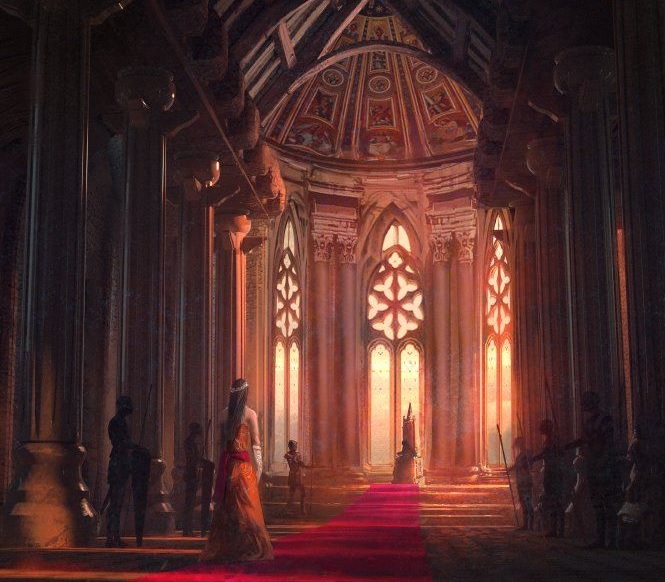
The Empire is nominally ruled by an Archon, a monarch elected by the Imperial Council. The Archon is both the political figurehead of the country, but also the nominal religious head. The Archon is the executive and judicial branch of the government.
Although they are a monarch, they share power with the Imperial Council and need its majority approval to implement any major changes in law, though they are able to order Imperial Edicts, which are direct orders from the Archon; these orders are put into effect immediately, though their content cannot contradict current Imperial law.
The Archon is also able to pardon, promote or remove limitations from individuals of their choosing, even if they have previously violated Imperial law. They are also able to demote families from the Imperial Council, though they require majority approval to do this; they can also veto law proposals from the Imperial Council.
Imperial Council
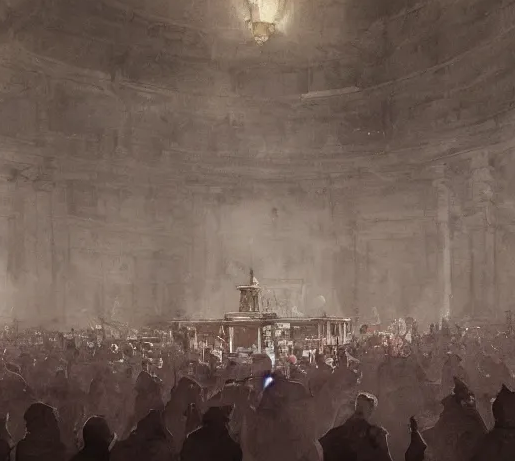
The Imperial Council is made up of 120 members from amongst the heads of the most powerful families in the Empire that have historical ties to Amalia, or that have been formally invited to join during the Empire's existence, either by an Imperial Edict, or by a Council vote.
Besides these prominent families, a representative of each major Imperial Institution is also allocated an Imperial Council seat.
These members of the Imperial Council exert their influence by proposing new laws, or altering or scrapping existing ones. While each family and member in the Council has their own interests and those of their patrons, groups of families tend to form factions within the Council to more efficiently exercise influence or influence politics to steer them towards their interests.
Besides the huge political influence, members of the Imperial Council cannot be punished for breaking the law except by a majority of the Council, or by the Archon themselves.
Institutions
The Three Pillars of the Empire
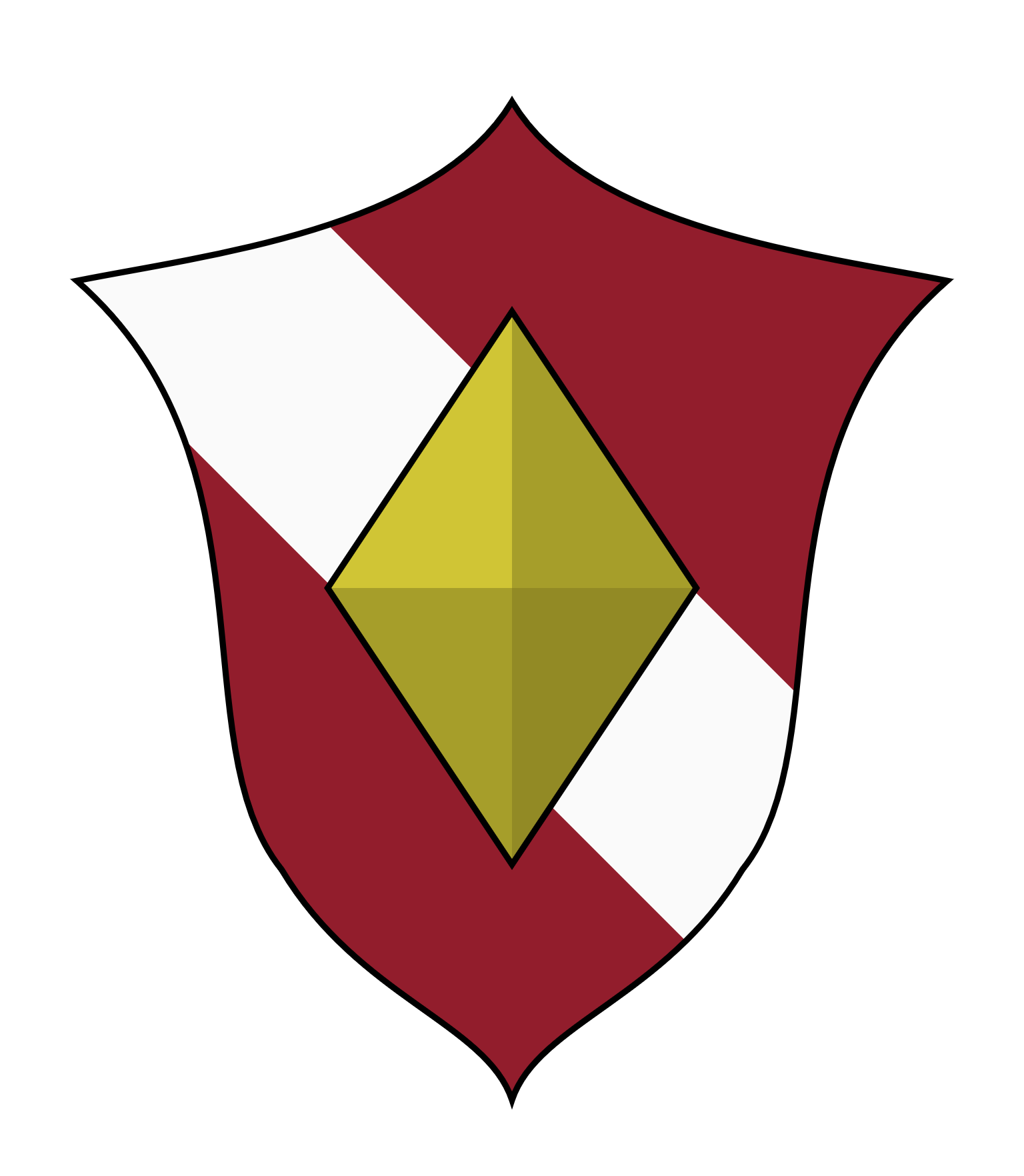

The main military institution of the Empire; the Imperial Armatus is a citizen army tasked with the defence from outside factions or inner rebellions. The army recruits from all races and walks of life, in every province. Soldiers are armed and paid by the government, and swear to uphold the Empire's law. Unlike its court system, the Imperial Armatus is meritocratic, and anyone can rise to lead should they prove able to do so.
The Imperial Armatus is divided into several armies, assigned to defend and garrison specific locations, and each army has a Marshal.
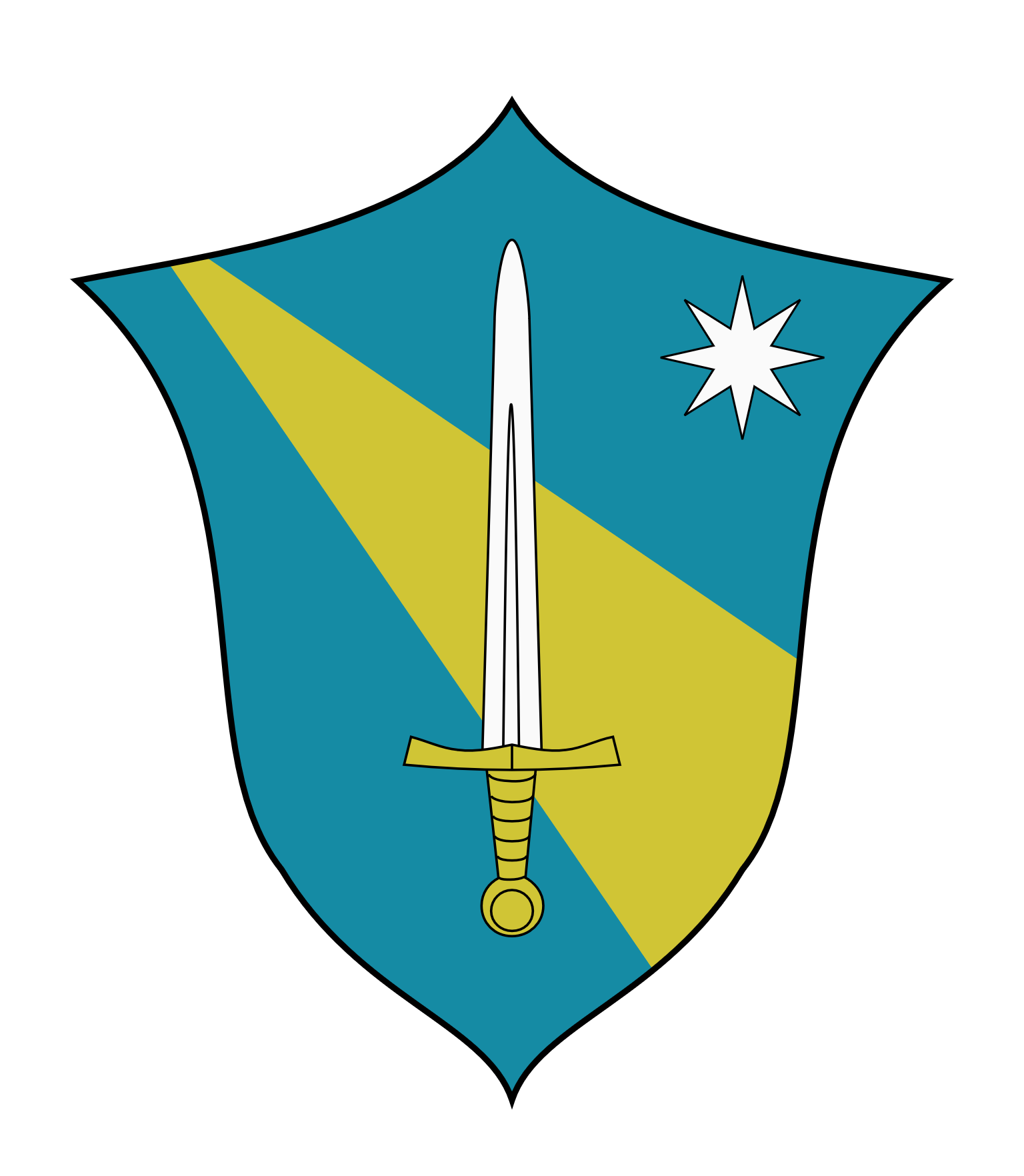
Translated from Old Imperial to mean Imperial Peacekeepers, the Pacificus are tasked with internal security from magical threats. They are elite soldiers trained from young to withstand the effects of lyricite and use it to nullify magic, though the majority do not survive training, and those that do become addicted and dependent on lyricite to survive. The Pacificus are divided into several local Corps, each tasked with a different region of the Empire.
Unlike the Armatus, the Pacificus swear loyalty not to the Empire, but to the Archon. They are tasked with protecting pax cloistras, protect the common people from magical monsters, and hunt down rogue mages.
The Imperial Church is the main religious body of the Empire and is deeply involved in lawmaking in the Empire, specifically when it comes to magic law.
Though the nominal head of the church is the Archon, in practice the church is run by the Eight Bishops, the representatives of each aspect of the Divine. These eight representative are the only ones with the power to lawfully depose an Archon they perceive as sinful, though it requires a unanimous vote amongst them.
The church is extremely popular with the common people, and also holds influence over many other institutions in the Empire.
Other Notable Institutions
The Five Banners
The Five Banners are a collection of five local institutions that are raised to fight alongside the Imperial Armatus in times of war. Each Banner recruits, maintains, chooses leadership and organizes itself according to its own system. Examples of Banners are:
Ducal Army, made up of Verdantine's peasant levies and its Verdant Knights.
Wings of Aaravak, an Aarakocra fighting force that specializes in reconnaissance.
Army of Bornholm, made up by Bornholm's specialized crossbow and pike armies.
Narvik Greys, a fast and effective all-cavalry fighting force from northern Saltmark.
Scales of Shadow, a deadly assassin fighting force from Rosewood.
Imperial Logistics System
The Imperial Logistics System, or ILS for short, is an institution of the Empire tasked with maintaining all infrastructucture and logistics and keeping their function smooth, with functions such as:
Road construction and maintenance;
Mail and Delivery system;
Trade route organization and protection;
Supply line maintenance and protection.
The Imperial Armada
Although rather small in number, the Imperial Armada is nonetheless an important naval institution that is mainly tasked with anti-piracy effots in the Summer Sea, in order to keep trade with the Summer Isles flowing.
Imperial Pax Cloistras
The Pax Cloistras of the empire are institutions tasked with the containment and education of those born with the ability to harness magic. They are seen as magic academies that protect and help mages learn their abilities by some, and as gilded prisons that oppress those born with magic without just cause by others.
Each region in the Empire has its own Pax Cloistra, some are larger than others, and all Pax Cloistras have different inner levels, such as different floors in a tower, where mages of different ranks live and gain more privileges as they become more trusted mages.
All mages inside a Pax Cloistra have their own phylactery that is stashed in its repository, though these are usually sent to the Imperial Repository when its associated mage reaches a high rank.
Imperial Law
Imperial codes of law are the most important pillars of Imperial society, and permeate all aspects of life in the Empire. According to the Empire's ethos, all races are equal under the law and no creature is above the law. However, as the Empire's law evolved over time, it became more complex and sometimes localized differently depending on region or province; and places such as Verdantine and Bornholm even have a different codex of law and only apply the Imperial codex in specific parts of their own.
There are many codex of law in the Empire, but three main codex are the models for all others:
Civil Law
The Civil Codex applies to all citizens of the empire, regardless of status. It is used for mundane breaches of conduct and aims to promote harmony and justice rather than punishment.
Criminal Law
The Criminal Codex is used in situations where a citizen is accused or caught committing a crime of magical nature. These are focused on punishment.
Imperial Magic Law
The Magic Codex is perhaps the most complicated of the main codexes of law. Its application is specific to a case-by-case situation.
Imperial Provinces
Due to its size, the Empire is made up of seven different provinces. In order of population, they are:
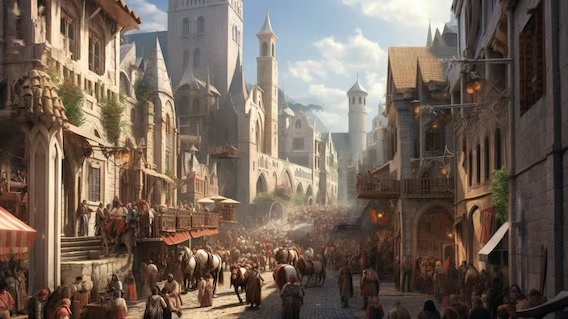 | CorumirThe capital province where the great capital Celestria is located. Corumir is where Imperial culture, values and religion is strongest, and where the population is the most diverse. Many migrate here from the outer provinces seeking a better life. |
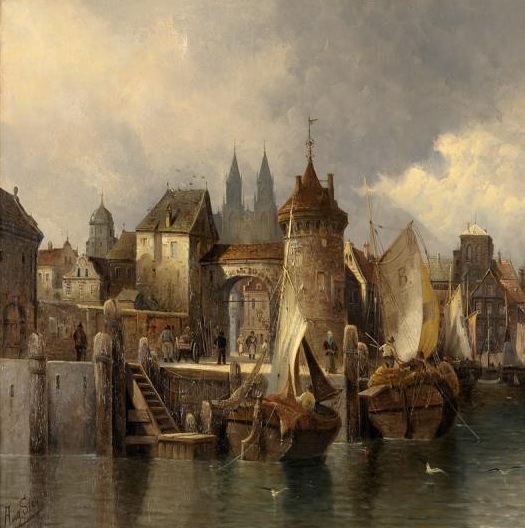 | TidesbayA coastal province of the Empire that is dominated by an urban lifestyle and a rich culture centred around trade and technology. Tidesbay's economy thrives from trade with the Summer Isles, and the most powerful people here are the merchants and guild leaders. Money is power, and nowhere is that more true than in this province. |
 | IllyumThe breadbasket of the Empire, Illyum is a rural, agricultural province that is known for its huge fertility due to the minerals in the River Neck and River Silver. The province also host the largest mines in the Empire, and is the its largest source of Lyricite. The province has a long struggle withinequality, specifically of its Elvish population who struggle with their history of slavery. The most powerful people here are large land owners. |
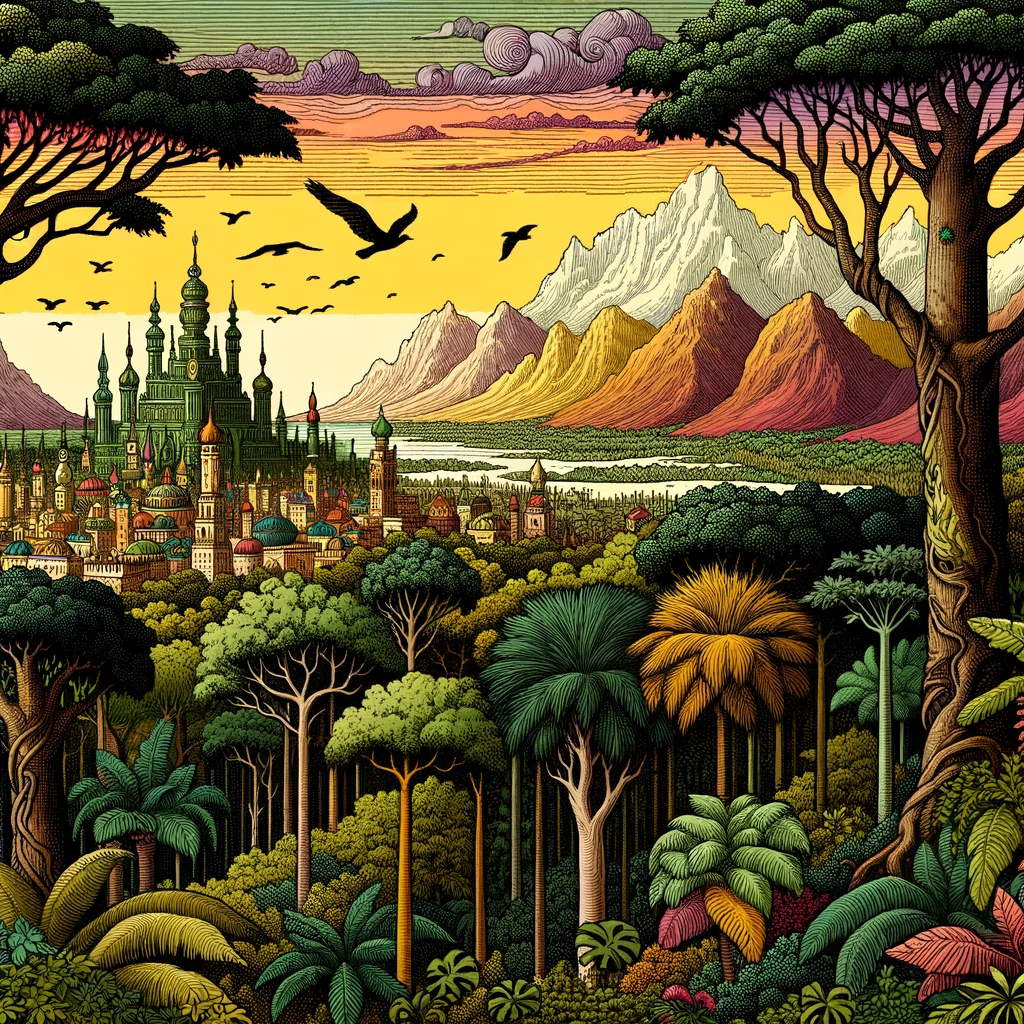 | VerdantineAn autonomous and lush province of the Empire, it is known for its beauty, luxury, and feudalistic society. Ruled by Dragonborn nobility, it is a land of opulence and extravagance, with a stark contrast between the decadent lives of the ruling class and the hardships of the working serfs, primarily elves. Chivalric values are also very strong here, and the province has its own institutionalized version of Amalianism, known as Golden Amalianism. The most powerful people here are the feudal lords and the Archduke, which tend to be dragonborn. The province also thrives from production of luxury goods such as wine and silk, and is a hub for trade with The Eastlands. |
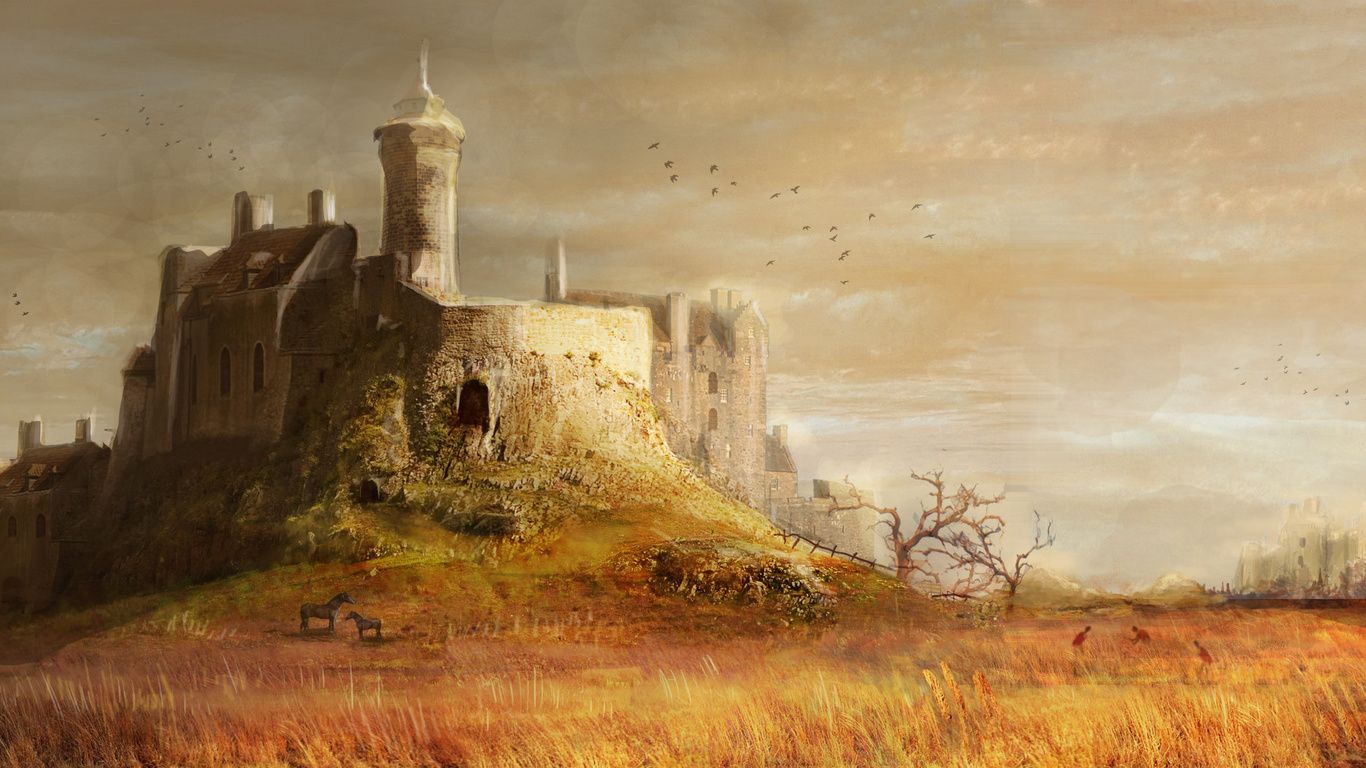 | EndurumEndurum is a militaristic province of the empire dotted by a mesa landscape in a warm, dry climate. The majority of the population here are Orcs, Humans and Lizardfolk, and its position bordering The Badlands makes it a location of constant battle of huge armies. Military conduct permeates most aspects of life here, and even a painter, a labourer, a smith and a cook will tackle their trade with the same discipline a soldier would use a sword with. The economy is largely focused on industry that fuels the Imperial war machine, and the most powerful people here are veteran generals of the army. |
 | RosewoodThe newest official province of the Empire, it is the least developed, its climate and terrain making it difficult to build settlements and infrastructure; or to maintain it. Nonetheless, the province is highly valued, for it provides many rich natural resources, including the most prized wood in the continent which gives the name to the province. The real obstacle to development in the province is its fauna. The jungles are home to many dangerous predator creatures: Basilisks, Wyrms, Nuodgahls and many, many others. While this makes it an undesirable place to live and hard to attract settlers, much of the population is indeed made of immigrants, adventures who seek to tame and conquer the riches of the jungle. Because of this, many, many races can be found in this province from backgrounds tied to far away lands. |
 | SaltmarkThe Empire's northernmost and largest province, it is known for its diverse and harsh climates, ranging from temperate in the south to frozen tundras in the north. Sparsely populated, its settlements are a huge distance away from each other, with harsh dangerous terrain in between them, travelling is extremely dangerous here especially in the winter. While many of the local cultures of Saltmark descend from completely different ancient cultures, they do all share one common trait: their pride on self reliance and their ties to their native land. The province maintains a delicate balance between Imperial influence and traditional autonomy, with each settlement holding onto its distinct dialects, customs, and folklore. Unlike the rest of the provinces, Saltmark's integration into the Empire was gradual and marked by local resistance. The power of individuals is localized, and no man or institutions is able to fully control all of Saltmark. |