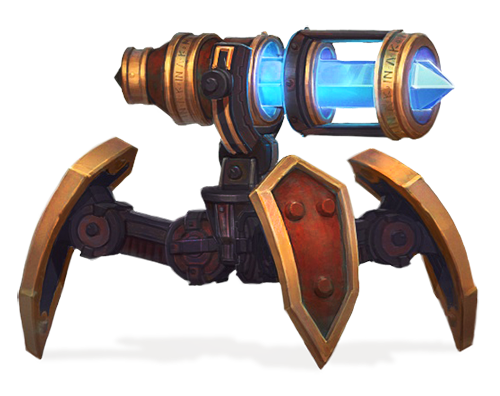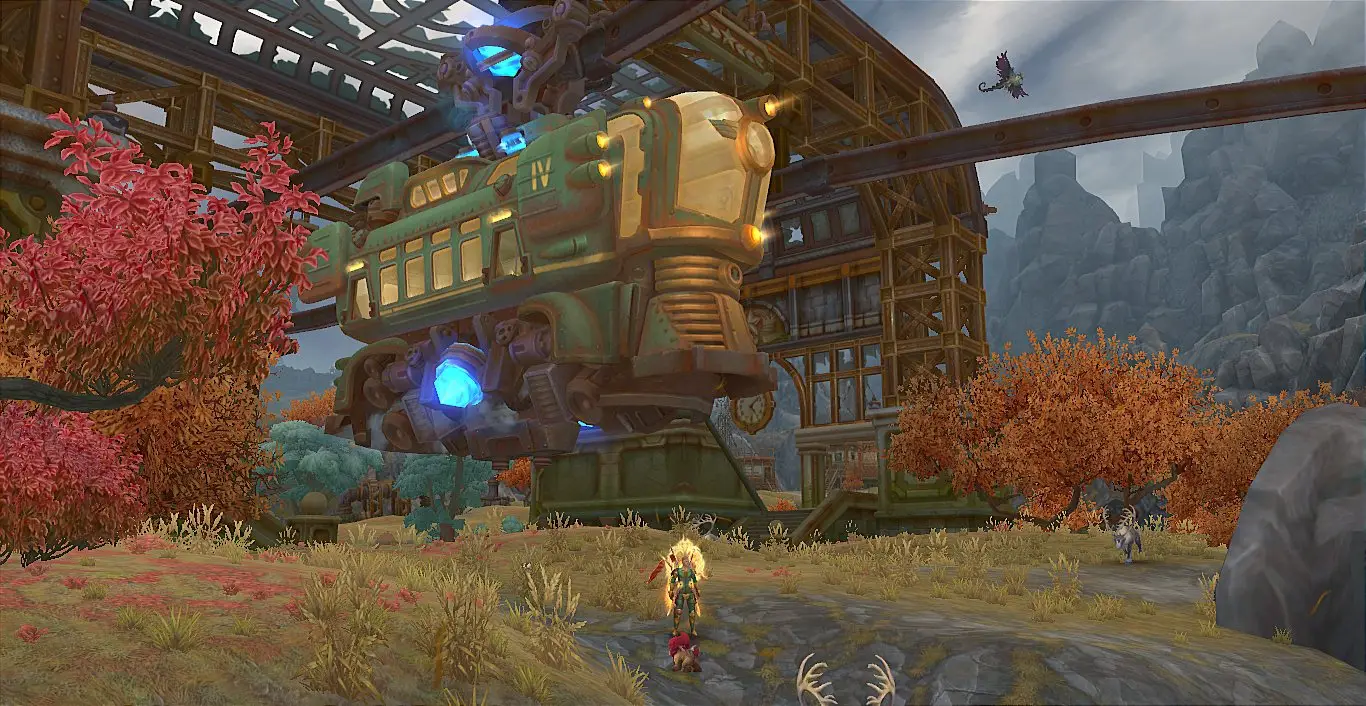

("DANGER, MANA!" hazard sign as per Imperial GOST 17925-72)

In its relentless pursuit of astral travel, the Empire conducted ext ensive research into the nature of the Astral. What it discovered reshaped the course of history. The Astral was not merely a void, but a vast, magical substance of unfathomable energy - fluid, malleable, and capable of forming anything in the right hands.
It was the Zem scientists who made the breakthrough that would later form the foundation of the Empire’s technological dominance. They devised a method to extract, store, refine, and harness astral energy - a discovery that would revolutionize warfare, industry, and daily life. This refined energy, accessible even to non-mages, was given a name: mana.
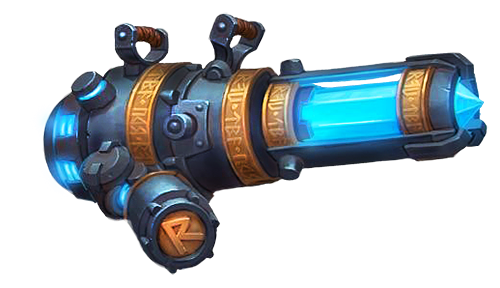
With this discovery came the dawn of a new era in weaponry. The first mana-rayguns were mounted onto the Empire’s astral ships, allowing them to unleash devastating beams of concentrated energy. New ship engines, powered by mana, freed vessels from the whims of the unpredictable astral winds, allowing them to chart their own course.
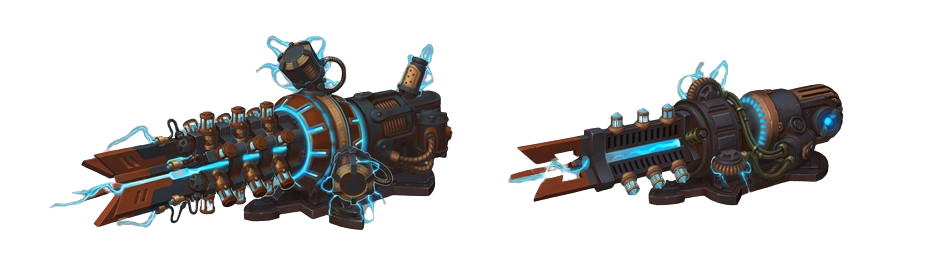
As research progressed, mana-rayguns became increasingly refined — shrinking from their initial colossal forms into more compact, ship-mounted cannons. Before long, these weapons could be wielded by soldiers of the Hadaganian Engineer Corps. Even assault mana armor, designed to enhance a soldier’s survivability and combat effectiveness, began development.
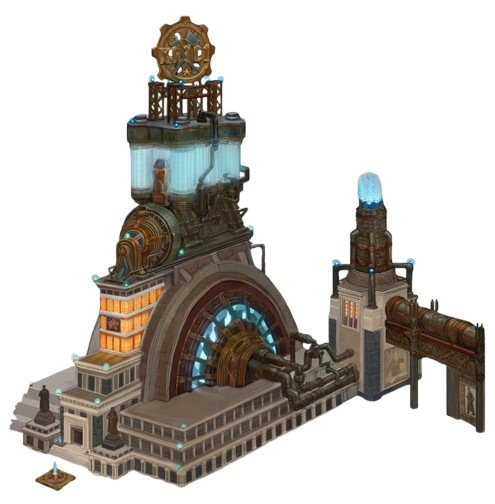
One of the Empire’s grandest projects was the construction of the Hadaganian Astral Energy Station (HAES) and the mana conduit network encircling the Imperial capital. This innovation led to a surge in mana-based industry — soon, mana-lamps lit the streets, mana-refrigerators preserved food, mana-graphs transmitted information, and even manacars and manabikes roared across the cityscape. Remote mana-projectors allowed for long-distance communication and surveillance, solidifying the Empire’s technological advantage.
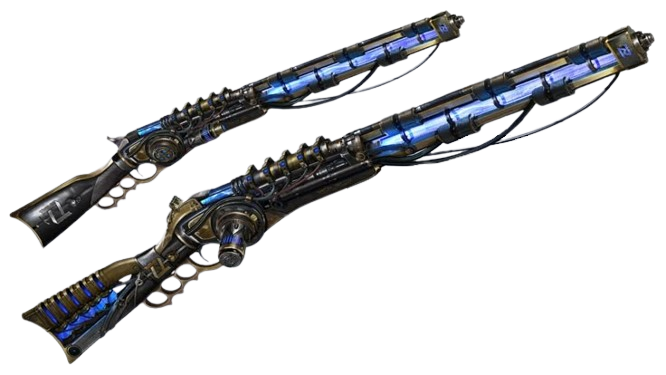
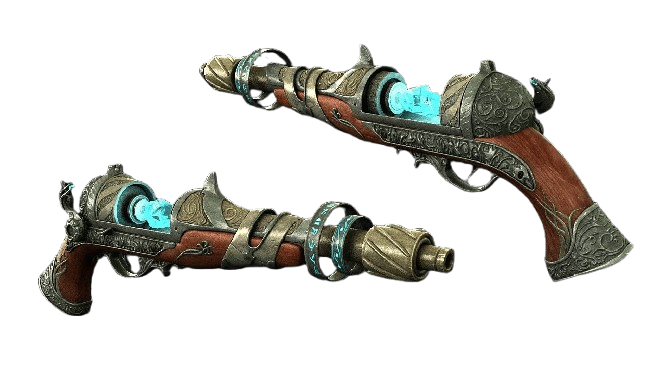
Yet despite these advancements, mana-tech was far from perfect. It remained expensive and difficult to produce, making many of its innovations accessible only to the elite. Handheld mana-cannons were rare, bulky, and required extensive training, making them the domain of the Engineer Corps. More refined versions — mana-gonnes — were developed for special forces, compact and elegant but still costly to produce.
For all its promise, mana came with a terrible cost. Even in its refined state, mana is highly toxic. Prolonged exposure without protection leads to sickness, mutations, and, in extreme cases, death. Children born to those who had worked in mana-processing plants often suffered from weakened constitutions or deformities. Large-scale mana exposure resulted in horrific illnesses, and entire factory districts became hazardous zones where only the heavily shielded could tread.
While Imperial scientists have managed to mitigate the dangers of mana-based consumer goods, they have yet to solve the critical issue of mana radiation from extraction and processing facilities. To this day, screening mana-related industries remains one of the Empire’s greatest scientific challenges.

The League, by contrast, has very limited access to the Empire’s mana technology, and for good reason. The very idea of harnessing Astral energy is repulsive to many within the League’s diverse cultures:
To the Kanians, it is a betrayal of their ideals, a reckless dalliance with a force they view as the greatest threat to all life on Sarnout.
To the Elves, it is unnatural, a crude and dangerous substitute for the purity of traditional magic.
To the Ghibberlings, it is simply terrifying.
Despite these misgivings, the League has covertly acquired certain mana-based technologies through espionage and smuggling. They have adapted mana-powered ship cannons to better combat Imperial forces in astral warfare and equipped their mechanics with stolen mana-tools. However, for the most part, the League relies on their superior magical traditions and abundant natural resources, seeing no need to embrace what they view as a dangerous, misguided path.