
The Search for Immortality (2050 - 2500 BGC)
Long ago, before the Cataclysm, before the rise of Kania and Hadagan, there existed an ancient civilization of the Zem people. For many years, they lived in the shadow of their powerful neighbors — the Džun Empire, a mighty and advanced nation. But when the Džun met their sudden and catastrophic end, it became the catalyst for the rise of the Zem civilization. Within a few centuries, in the southern deserts and steppes, a new state was born— the Hikut Empire.
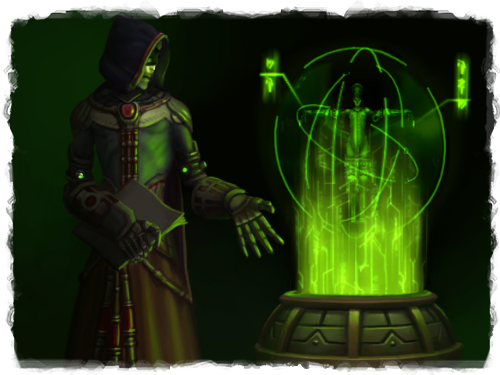
The history of Hikut is a history of the search for immortality. The terrifying demise of their great neighbor shook the Zem to their core. They turned their magical studies toward preventing such a fate. The ruins of the Džun, still whispering with echoes of the past, stood as a grim warning to the Zem people. Every Zem, upon reaching adulthood, was required to make a pilgrimage to the cities of the dead, to witness firsthand the fate that awaited their homeland if the secret of immortality was not discovered.
Necromancy became the most revered magical discipline, and the art of embalming and preservation flourished. It was widely believed that once immortality was unlocked, Zem necromancers would find a way to bring the dead back to life.
Years passed, but the people of Hikut remained far from their goal. Doubts began to grow — could magic alone truly grant eternal life? A new path was needed.
Thus, science and technology found their way into Zem civilization. The followers of this new philosophy declared:
"That which is dead cannot die again."
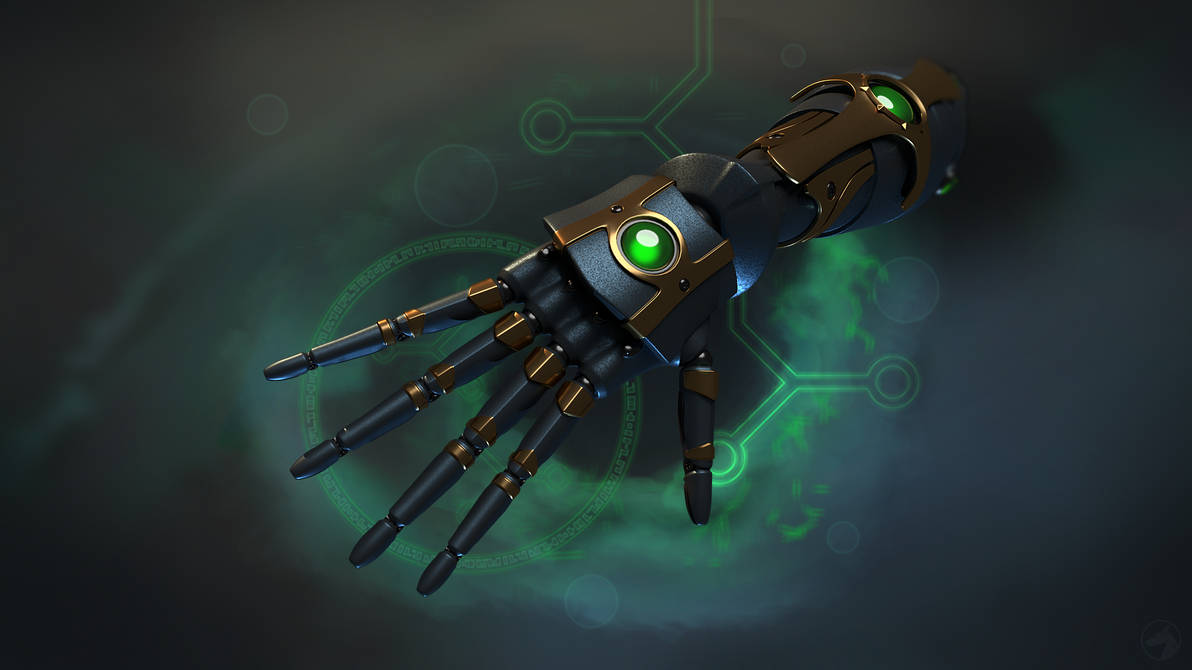
They sought to replace fragile mortal bodies with mechanical prosthetics — not truly eternal, but far more durable than flesh. Former embalmers and mummifiers turned to surgery and engineering. Within a few short decades, artificial silvered limbs became a fashionable status symbol among the Zem, crafted from light yet durable metal.
Necromancy began to wane as technology took its place.