Table of Contents
OLD ERA
Nezeb and Tenses
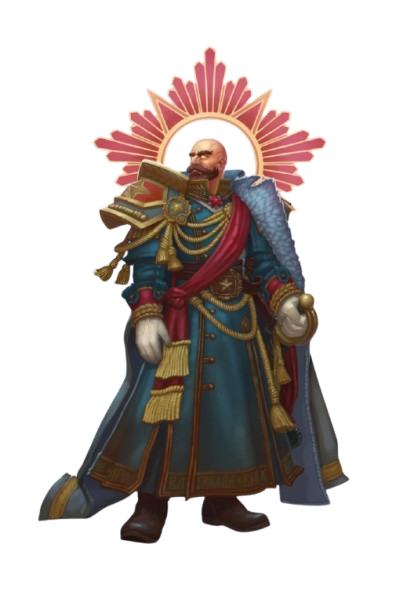
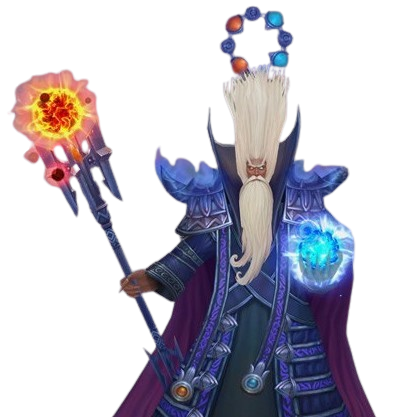
In the third millennium of the Old Era, the northern human tribe known as the "Aro" arrived at the ruins of the Džun Empire. Their right to settle in this land had to be won through battle, as they faced the orcs coming from the east. To defeat the Horde, led by the great orc warlord Skull, the humans united. And at the head of this union stood two Great Mages -- Tenses and Nezeb.
Both were students of the legendary Skrakan, his finest apprentices. The rivalry between Nezeb and Tenses began during their training, though in those days, it was friendly and peaceful. Perhaps, without this rivalry, neither of them would have ever become truly Great. But together, side by side, they united the humans, fought against the orcs, and conquered new lands. It was they who founded Kania.
As long as the war raged, as long as Tenses and Nezeb had a common goal, they stood together. But by the end of the third millennium, all objectives had been met, their enemies defeated, and on the ruins of the Džun Empire — on the burial mounds of humans and orcs alike -- a new nation was emerging: Kania. And this new state needed a ruler. A single ruler.
At this moment, the rivalry between Tenses and Nezeb turned into enmity -- the stakes had risen, for now, it was no longer about winning a mentor’s favor or earning the respect of peers. It was about power.
It must be noted that Tenses was far more popular among the people. Most victories and accomplishments were attributed to him, while Nezeb remained in his shadow. But Nezeb had his own supporters, and it was clear to all that their conflict would inevitably lead to civil war. Wishing to prevent this, Tenses proposed that they resolve their differences once and for all.
Nezeb accepted Tenses’ challenge, and a duel between the Great Mages became unavoidable.
Tenses emerged victorious, and Nezeb was exiled. As a result of their magical duel, he was cast into the southern desert of Khadagan -- a land, that had once belonged to the Zem tribe, which had perished in a devastating plague. Now, these harsh wastelands were home to nomadic tribes, called Hadaganians, after the desert. A prophecy existed among them: one day, a man would fall from the sky onto the golden sands of the desert, and he would lead their people to dominion over the world.
Thus, when Nezeb encountered a nomadic tribe in the desert, they themselves asked the Man from the Sky to become their leader.
The Eternal Battle (2910–4015 BGC)
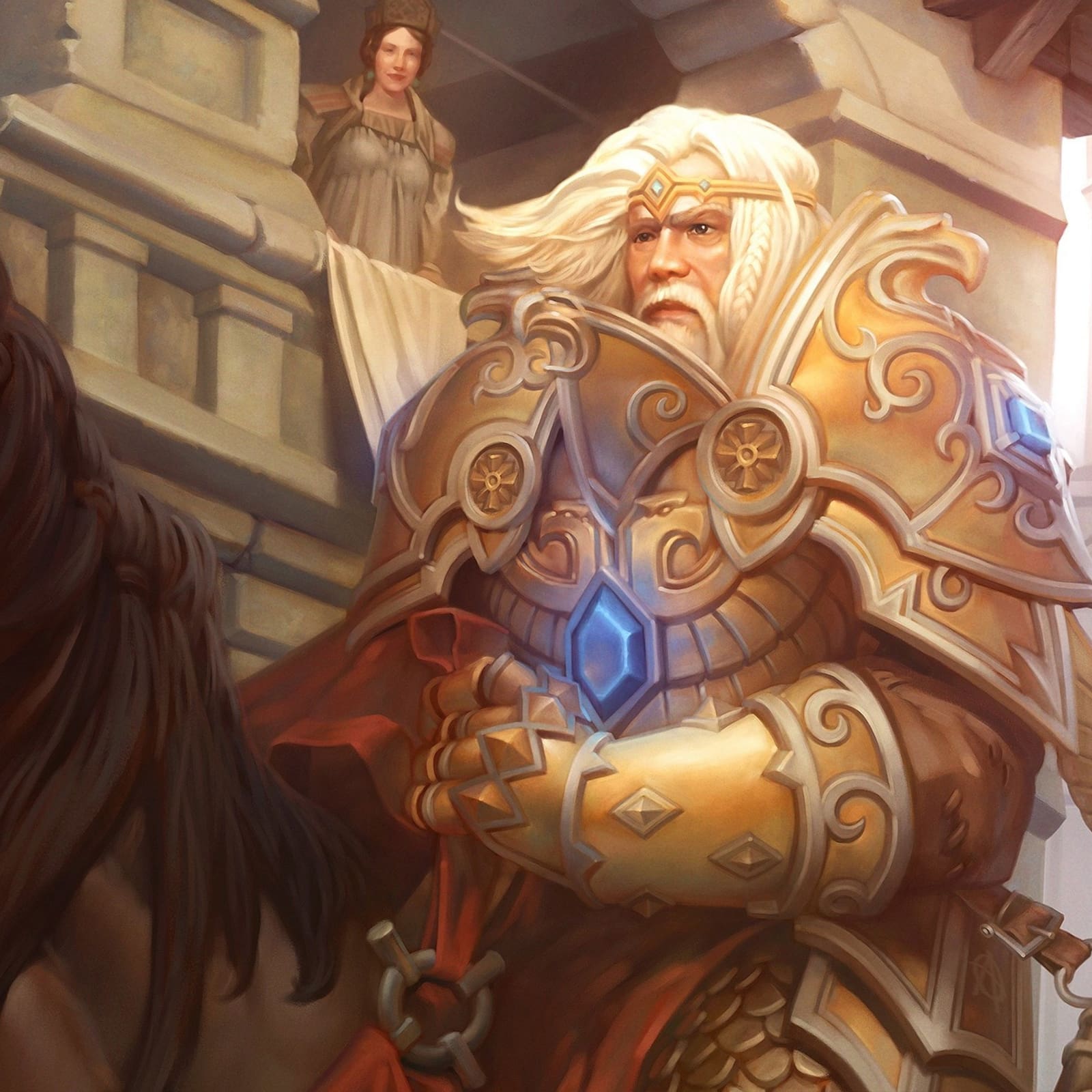
In 2910, the nomadic tribes led by Nezeb crossed the southern border of young Kania. They called themselves "Hadaganians" (after the name of the southern desert that was their homeland; later, this land became the allod of Khadagan and the historical birthplace of the Zem). Nezeb's name had not yet been forgotten, and some Kanians awaited his return. Nezeb’s army managed to seize several southern provinces of Kania, but in 2911, their path to the Kanian capital was blocked by an army led by Tenses.
For three days, the battle raged — a clash that would go down in history as the Battle of Molod’ (named after a nearby settlement). Both sides suffered heavy losses, and it was Tenses who took the first step toward reconciliation, sending envoys to Nezeb.
The negotiations between Tenses and Nezeb resulted in the official establishment of Hadagan. Most of the Kanian lands conquered by Nezeb remained under his control. It is unknown what compelled Tenses to make such concessions, but the outcome was clear — his authority weakened significantly. Soon, he was forced to relinquish power to the Valirian family, who ruled Kania until the Cataclysm, transforming it into the Valirian Empire.
However, Tenses’ abdication did not end the conflict between Hadagan and Kania — quite the opposite. The Valirians made it their mission to reclaim the Kanian lands that had fallen under Hadagan’s rule, and in pursuit of this goal, much blood was spilled.
This struggle lasted for an entire millennium, sometimes subsiding, sometimes reigniting with renewed fury. Over the centuries, Kania and Hadagan accumulated such deep hatred for each other that it seemed the war could only end with the complete destruction of one side.
NEW ERA
After the Cataclysm
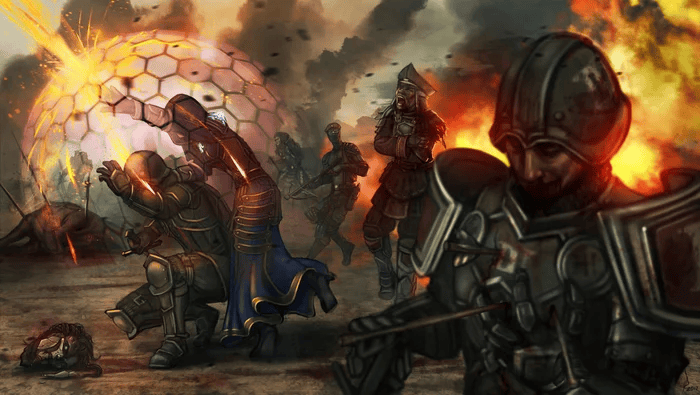
The Cataclysm, which split history into the Old and New Eras, temporarily halted the war between Kania and Hadagan — the impassable Astral now separated the sworn enemies. In the immediate aftermath, both sides were too preoccupied with saving what remained of their lands, tending to their wounds, and establishing control over the newly formed allods. When stability was finally restored, it became clear that the era of great battles had come to an end. The cost of teleporting armies across the Astral was so exorbitant that it nullified any expected gains. It seemed that the war between Kania and Hadagan had finally ended.
But not for Nezeb. His goal — victory over Kania and world domination — was unwavering, and nothing could stop the Great Mage. To the Hadaganians, Nezeb was nearly a god, and in his own eyes, he was one of the greatest beings to ever live — only Tenses and Skrakan could rival him. He believed that his personal greatness was the key to his people's prosperity, and the two were intrinsically linked — the more people revered him as a god, the more powerful he became. Hadagan obeyed Nezeb's will, and if victory required great feats, then those feats would be achieved. Now, with the world shattered into floating fragments, conquering enemy territory piece by piece was far easier than waging war against a united Kania.
Everything was ready for the first operation — targeting the small Kanian allod of Ovus. But then an unexpected event forced Nezeb to alter his plans.
The Birth of the Empire
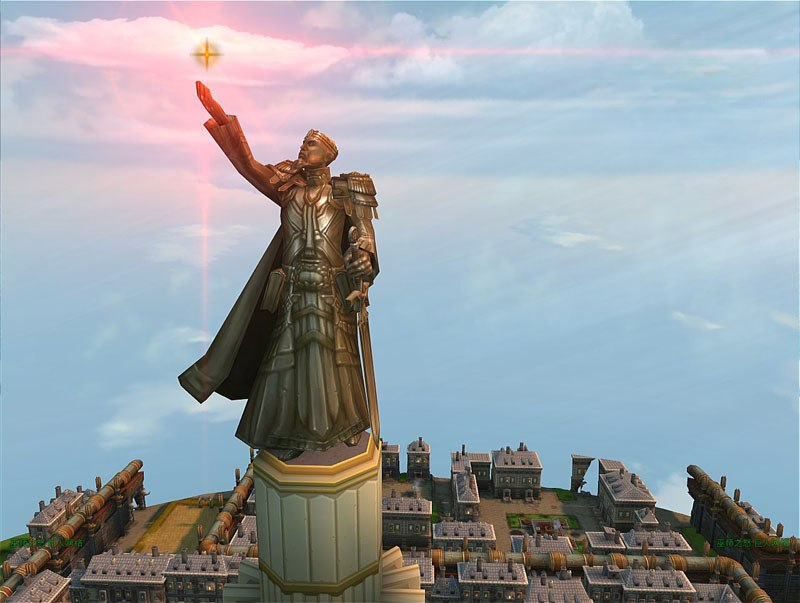
In the year 702 of the New Era, Nezeb meets with the orc Rodogor, who has united the tribes of the orcish allod Izun. Nezeb knows firsthand how dangerous the orcs can be — he learned that lesson during the war against Skull. Now, the orcs are experiencing a resurgence, led by a powerful warlord capable of rallying a new Horde. It would take little effort to direct this force against Kania, with whom the orcs have a long-standing grudge. However, for now, the orcs have a different target — the allod Grokh.
Nezeb agrees to provide Rodogor with magical assistance: he will teleport the orcish forces onto Grokh and assign them a Great Mage to maintain control of the allod after the overthrow of its previous ruler, an elven mage. The orcs accept the offer — after all, they lack Great Mages of their own capable of holding an allod, and expanding their territory is Rodogor’s primary goal. Thus, the Empire is formed — a union between the Hadaganians and the orcs.
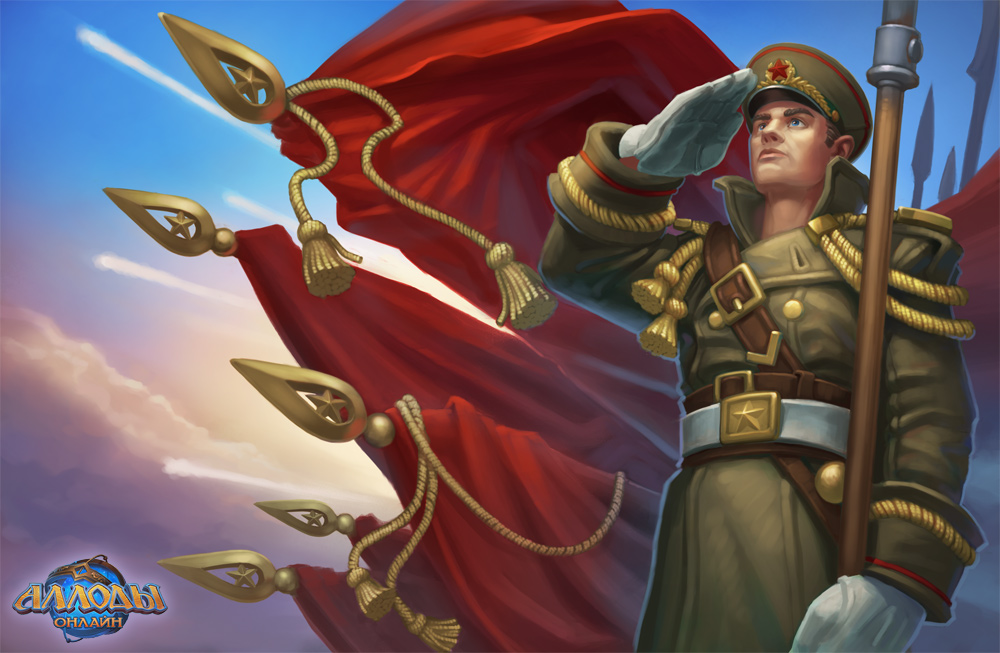
The next target of the Empire is the Kanian allod Ketch. The operation is a success: the allod is seized, and instead of a Kanian Great Mage, a Hadaganian Mage now holds it. The Empire expands. However, Kania’s response is cause for concern — they counter by forming the League, forging a military alliance with the elves against the Empire.
By the year 909, the League gains an unprecedented advantage — they learn how to travel through the Astral. However, before this new power can be turned against the Empire, an unexpected force disrupts the age-old conflict: Astral demons.
In the year 910, this previously unknown threat descends upon nearly every inhabited allod of both the League and the Empire. The attack is sudden, the defenders are weak, and panic spreads — everything works in favor of the invaders. Many Great Mages perish, the allods lose their magical protection, and the Astral, as it had nine centuries before, begins to consume them once more.
The losses are catastrophic. More than half of the allods are destroyed, and millions of lives are lost. Fear grips those that remain. Seizing the moment, Nezeb fully consolidates his power over the orcs and the Arisen Zem. The Empire’s primary objective now shifts — unraveling the secret of Astral travel.
Nezeb seeks to end the centuries-long conflict, especially now that his greatest rival, Tenses, is dead. Skrakan rises as the new leader of the League, and Nezeb is more than willing to test his strength against his former master.
STR
By Nezeb’s decree, a secret Institute is established, dedicated to studying methods of Astral travel. At the same time, it serves another purpose — espionage. After all, stealing knowledge is often easier than discovering it. However, it is only in the year 945, after a meticulously planned and brilliantly executed covert operation, that the Empire’s intelligence service succeeds in solving this mystery.
By this point, the Empire is fully prepared to begin the rapid construction of a fleet. The Imperial ships are not merely meant to challenge their rivals but to dominate them — to achieve absolute control over the Astral. This ambition is supported by a new magical technology, developed in the secret Institute where the scholars of the Zem people tirelessly work.
In its pursuit of Astral travel, the Empire conducts extensive research into the nature of the Astral itself. It is discovered that the Astral is a magical substance of immense energy — essentially, a building material of extraordinary flexibility, allowing those who master it to create virtually anything. The potential is breathtaking. Yet, for now, no one — not even Nezeb — can claim to be among the Chosen Ones who could say, “I shape reality from the Astral.”
However, the discovery of mana yields immediate practical applications. The Zem scholars make a breakthrough that later becomes the foundation of the Empire's technological superiority.
They learnt how to extract magical energy from the Astral, collect it, accumulate it, adjust it in a certain way and apply it.
Most importantly, the energy thus collected could be applied not necessarily by a mage. This energy was called mana.
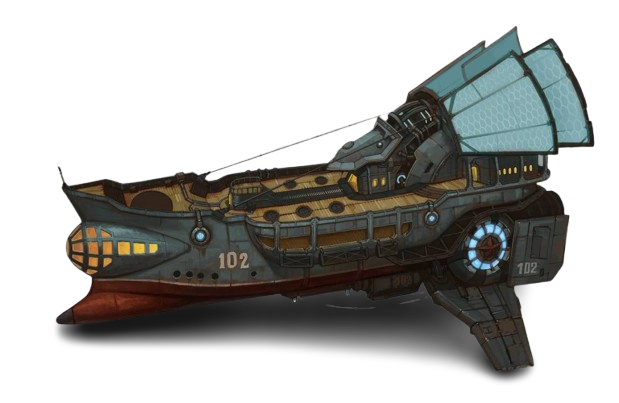
This is how the first mana-rayguns appeared on the Empire's astral ships, allowing to fire beams of devastating accumulated astral energy. New ship engines were built on the basis of this technology, and now it was not the capricious astral wind that commanded the ships, but they chose their own route.
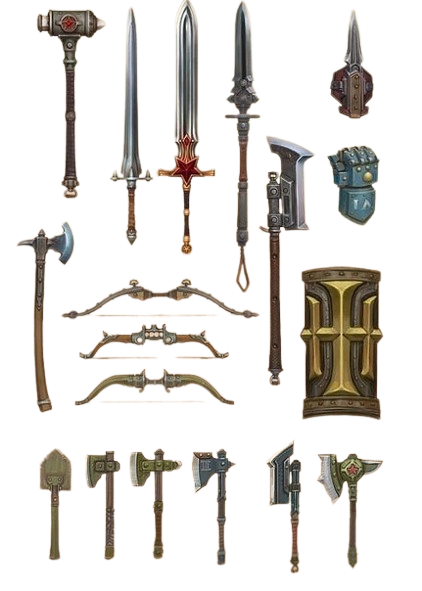
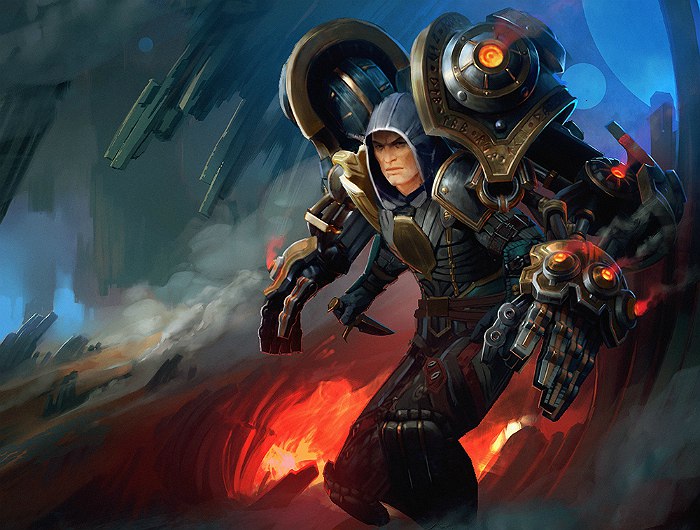
The more the Empire studied mana, the more finely it could apply its miraculous properties. Mana-rayguns became more and more compact, from colossal beasts to on-board cannons, and after a while they could fit in the hands of a Hadaganian engineer corps soldier. Upgrades to the armour began to be designed, and a prototype of assault mana armour was developed.
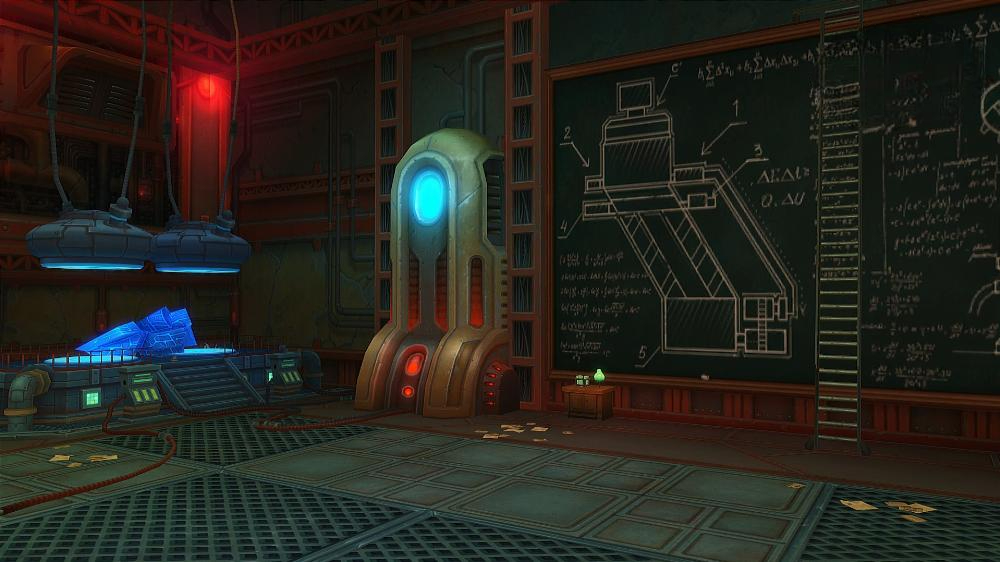
One of the largest and most important projects that revitalised the capital of the Empire was the construction of the HAES – Hadaganian Astral Energy Station, and the mana conduit that encircled the entire capital.
After that, the mana industry was soon in flux: mana-lamps, mana-refrigerators, mana-graphs, manacars and manabikes, and even remote mana-projectors. Although it is safe to say that the Empire could subjugate the Astral to some extent, it is very far from perfection. Mana-tech is very expensive, and not everyone can afford it. Hand mana-cannons are rare and oversized and unwieldy, and require special training, so they are mostly used by army engineer corps, and more elegant variants of hand mana-cannons, much smaller in size and much more handier – the mana-guns – are used by special forces.
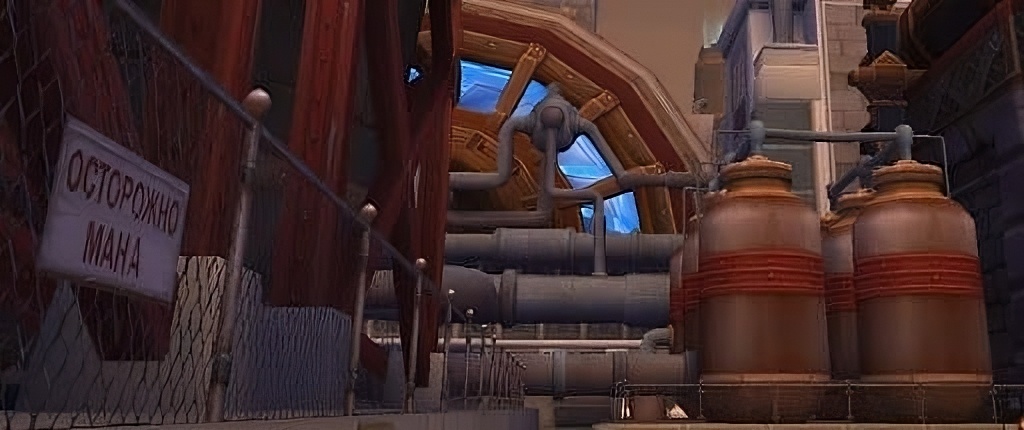
But along with great discoveries came great disappointments. Mana turned out to be extremely toxic, even in its processed form. It is extremely dangerous to be near mana-processing, -extracting and -transporting facilities without special protection. Long-term exposure to small doses of mana causes mutations and weakens the health of children of exposed parents, and exposure to large doses causes terrible illness and death.
Mana factory products have also long been dangerous and exposed users to radiation. But if the scientists of the Empire have learnt to deal with these problems, they have not yet found an effective solution to the problem of screening mana-facilities.
The Imperial Astral fleet is now vastly superior to that of the League.
The New War and the Great Astral Crusade
In 957, a new war erupted between the Empire and the League. The Empire’s powerful Astral ships, equipped with the latest advancements in technology, launched an assault on League territory. The League’s Astral fleet, defended by squads of mages, put up fierce resistance, but it was doomed. Heavily battered, the League’s ships were forced to retreat, leaving the shores of their allods vulnerable and unprotected. However, while the victorious Imperial ships secured an unchallenged landing, once away from the Astral, the Imperials had to fight using the old, traditional methods.
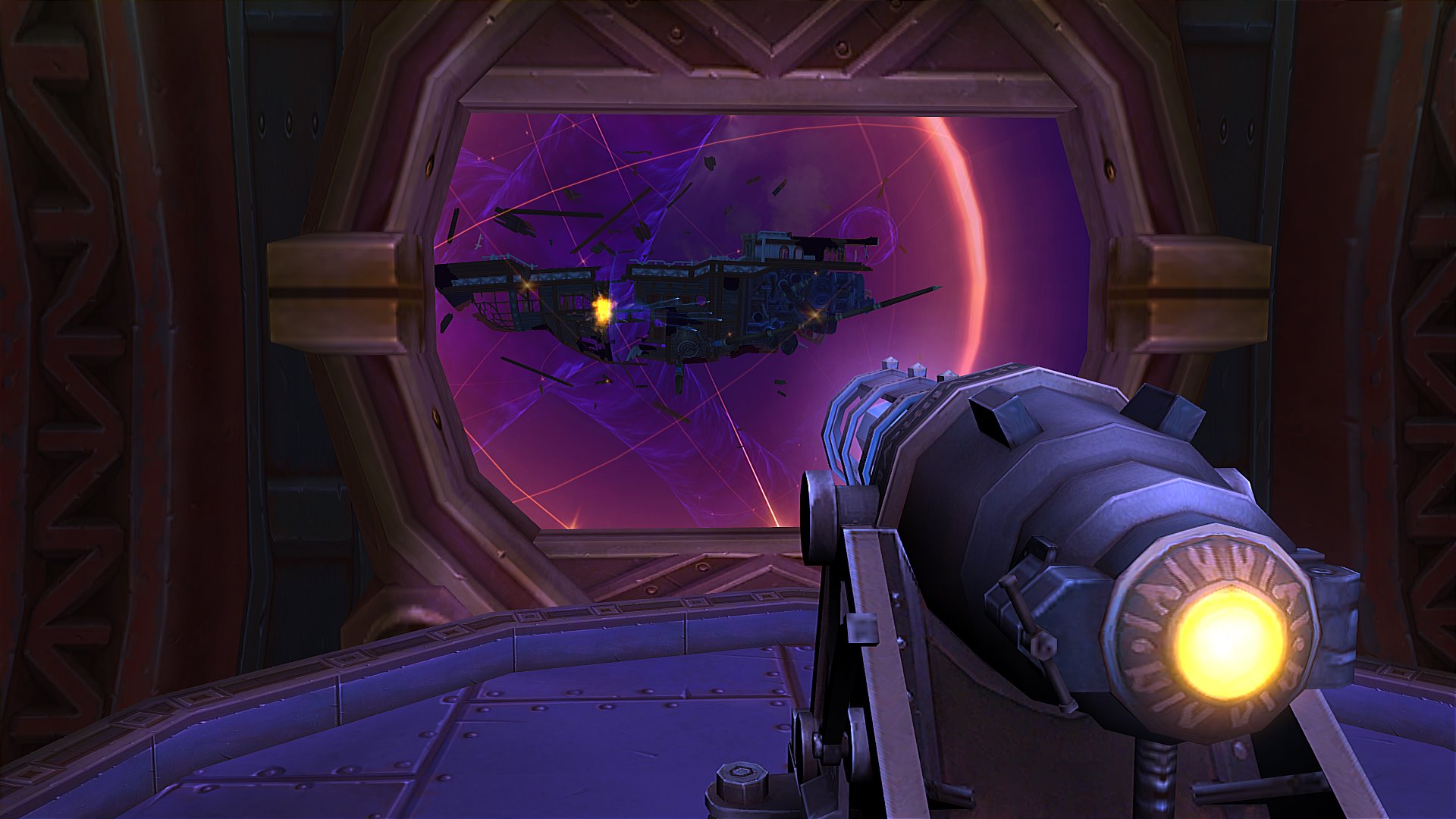
What began as a swift and decisive campaign for the Empire soon turned into a dragged out war. Before long, the Kanians managed to capture an Imperial vessel, and with it, the secret of Astral energy was no longer the Empire’s exclusive advantage. The blockade of the Kanian allods was broken.
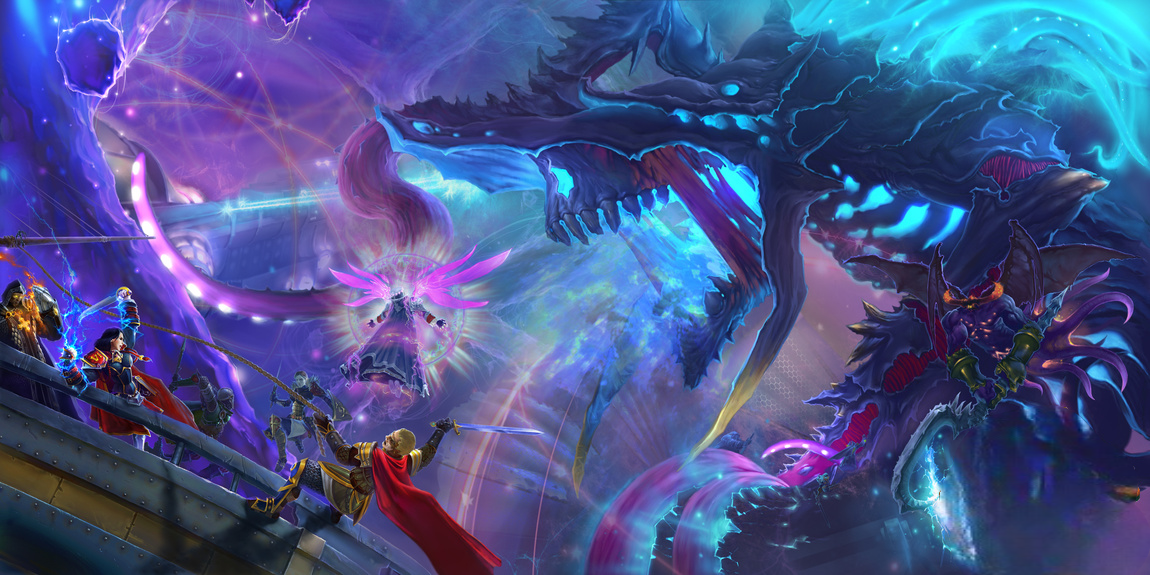
No one could predict how the war would have ended, but then Skrakan, leader of Kania and former mentor of Nezeb, announced that he had discovered a way to put an end to the demonic threat. In the year 966, a historic event took place — the meeting of Skrakan and Nezeb, where a peace treaty was signed. The forces of the Empire and the League united, and two massive Astral fleets set sail into the depths of the Astral, their goal: to seal the Gates of the Džun forever. Skrakan and Nezeb led the expedition themselves, leaving the capital allods in the care of Aidenus and Yasker.
Both on Kvatokh and Igsh, preparations were made for the triumphant return of the heroes. Everyone understood the stakes — everything was on the line. And then, black mourning sails appeared on the horizon.
The returning ships were filled with the wounded and the dying. Only those fortunate enough to have been far from the epicenter of the battle had survived the Astral storm that followed. In the end, the Great Mages — Nezeb and Skrakan — succeeded in their mission, but at the cost of their own lives. Alongside countless warriors, they sacrificed themselves to save the world.
The Redistribution of Power
It is difficult to describe the shock that swept through the Hadaganian people — their Leader, their Father, their God, was gone. The mourning for Nezeb lasted for several years. A wave of suicides spread across the Empire. The ruling elite, however, were the first to recover from the devastation.
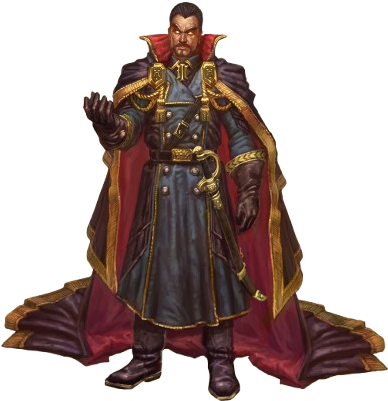
Two Great Mages laid claim to the Imperial throne: the old and experienced mage Gurluchsor, who had remained in Nezeb’s shadow for centuries, and the young war hero of Kyrah, Nezeb’s own chosen successor — Yasker. The latter outmaneuvered Gurluchsor by securing the support of the orcs and the Arisen Zem, promising them full equality in the new Empire. Gurluchsor relied solely on the Hadaganian elite.
Leaving his allod in the hands of his apprentice Felix, Gurluchsor led a formidable army to Igsh. However, the battle was lost, and Gurluchsor was forced to retreat. But by then, his former apprentice had already struck a deal with Yasker, and a trap awaited him. Though the rebellious Great Mage managed to escape death, his whereabouts remain unknown.
Yasker declared himself the Great Mage of the Empire and became its sole ruler, all while keeping the promises he had made to the Empire’s peoples. Clashes between Gurluchsor’s supporters and the government continued for some time but could no longer change the course of history. The final chapter of the power struggle was sealed with the adoption of new Imperial symbolism: the five-pointed stars were replaced by the new coat of arms, bearing the letter "N" and a naked sword. This symbol embodies the Hadaganian people’s memory of their great leader, Nezeb, their readiness to take up arms against any threat that dares challenge their world, and also the triumvirate of three great Empire nations.
The Rise of the Triune Church
As early as 911 AGC, a new religion emerged in Kania, deifying the fallen Tenses. The foundations of this faith were tangible — self-resurrection after premature death had become a reality. This miracle was indeed a gift from Tenses, the Great Mage of the League, whose sacrifice had brought forth a new kind of magic — Light magic, capable of wonders beyond imagination.
The Church of Light soon grew into a powerful institution within the League, and its clergy became formidable and dangerous foes. Even during Nezeb’s reign, attempts were made to harness this new magic, but it quickly became evident that without faith in Tenses' sacrifice, Light magic remained inaccessible. Nezeb had no intention of fostering a religion that deified his eternal rival, so he forbade its spread within the Empire.
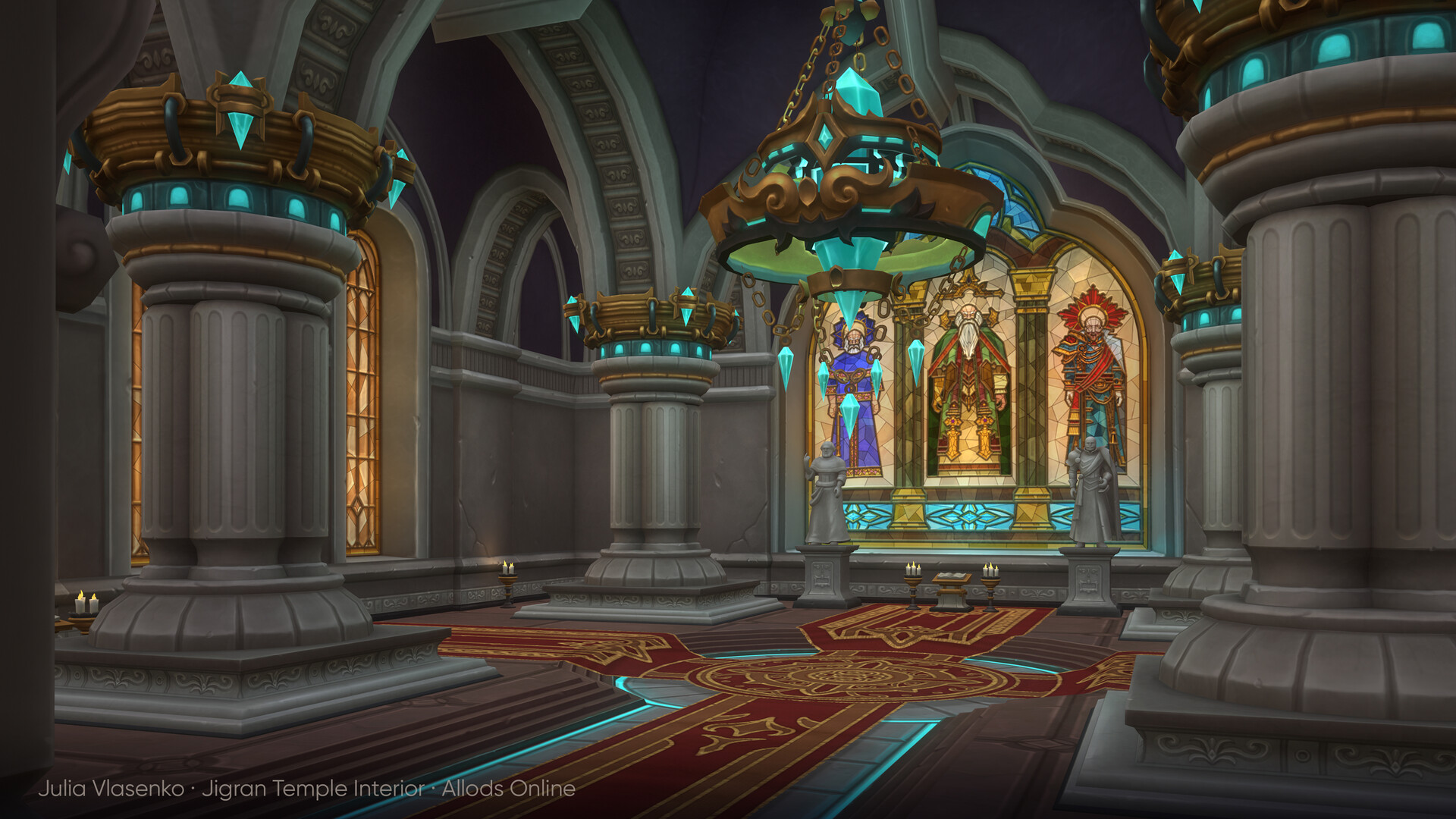
Everything changed after the Great Astral Crusade. During the battle, Imperial soldiers fought side by side with Kanian warriors, and the priests of the Church of Light tended to their wounds. The deaths of Nezeb and Skrakan — who was not as reviled by the Imperials as Tenses had been — became the catalyst for the formation of the Imperial Church, also known as the Triune Church, or Church of the Three Saints.
According to the teachings of the Triune Church, Tenses' sacrifice was equated with those of Nezeb and Skrakan, and all three were declared great martyrs of the war. This was something the Imperials could believe in — something many even wanted to believe in. Thus, the Empire gained its own church and its own priests, now wielders of Light magic in their own right.
THE MODERN EMPIRE
Yasker has proven himself a worthy successor to Nezeb. He earned the people's love as early as 910 AGC when he fought on two fronts — against the Kanians attempting to seize the allod of Kyrah and against external threats. It was during this time that Yasker became a national hero.
But heroism alone would not have been enough to seize and hold power in the Empire. Yasker is in a constant battle with the past — the image of Nezeb, who remains the ideal ruler in the eyes of the Hadaganians. He knows he is always being compared to the Father of the Nation, and every mistake, every misstep, could lead to his downfall. That is why he is cautious and deliberate in all things.
In Hadagan society, little has changed. Like Nezeb before him, Yasker rarely appears in public, preferring that the image of a national patriarch be carefully crafted and maintained by the Committee — an organization well-versed in shaping ideological narratives for the masses. The state is governed by a large and somewhat cumbersome bureaucratic machine.
Yasker devotes significant attention to military development — the war between the League and the Empire has not ended. And in Yasker’s eyes, it should not end. The absence of an external enemy, he believes, would be far too dangerous for the Empire.
Ultimately, the only real change Yasker allowed himself was during his struggle against Gurluchsor — when he granted equal rights to all citizens of the Empire.
