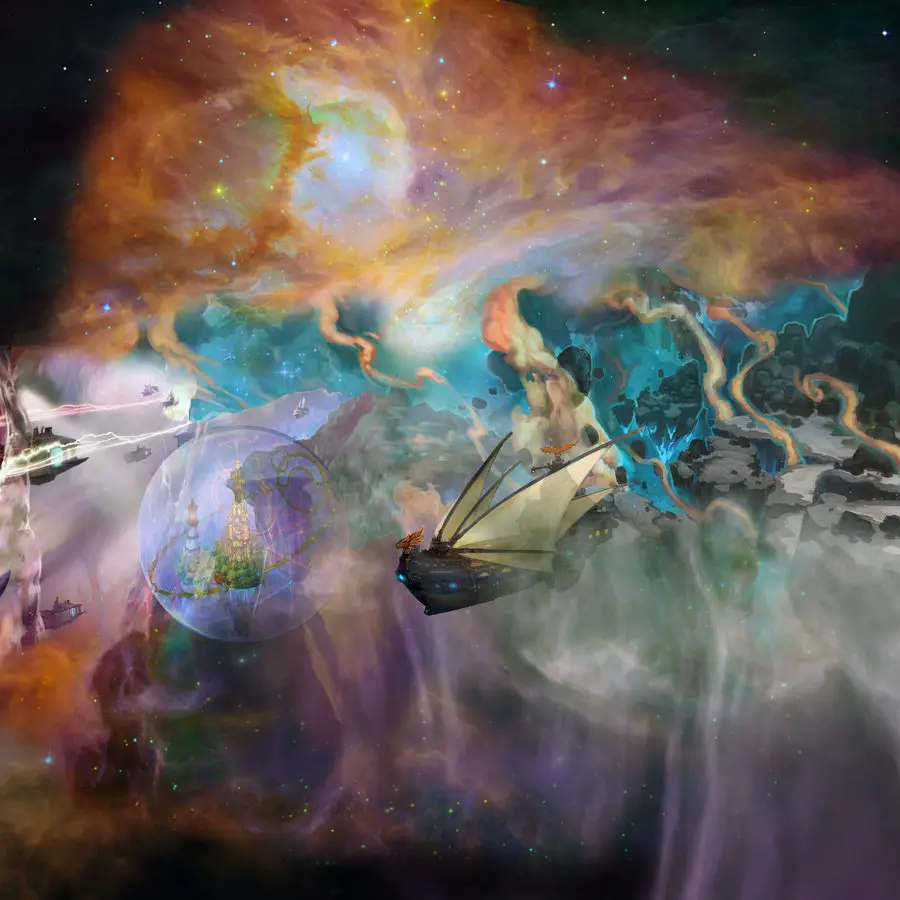
The modern inhabitants of Sarnout have a rather philosophical view of death. To the Ghibberlings, it is little more than an unfortunate misunderstanding. The Kanians see it as a well-earned respite from a long day’s toil, while the Elves regard it as the natural conclusion to a chapter of their existence.
The Empire’s citizens share similar sentiments. To the average orc, death carries no more weight than the loss of his favorite goblinball team in the Imperial Cup finals. The hardy Hadaganians accept death with stoic resolve, viewing it as nothing more than an obstacle on the path to greatness. Only the people of Zem hold death in higher regard than life itself -- for the Arisen, in a cruel irony, death is the key to true immortality.
This seemingly flippant attitude toward mortality is easy to explain. In Sarnout, death is not the end — it is merely an inconvenience. Nearly all who succumb to its cold embrace do not fade into oblivion but instead return, reborn with ease and without the need for elaborate rituals. Of course, this does not mean the people of the allods are truly immortal -- they still age, and they can still meet a final end.
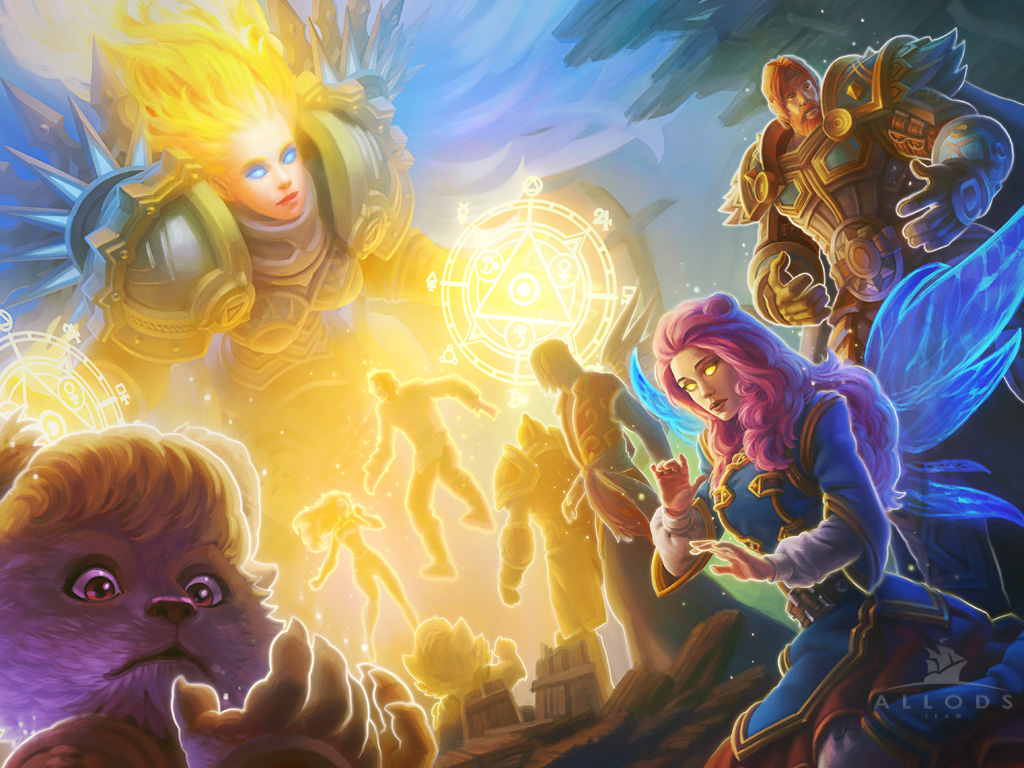
This miracle, as it was eventually discovered, was the Gift of Tenses, the Great Mage of the League who fell in battle during the siege of Kania’s capital. The newly deceased began to return, recounting visions of a strange place known as Purgatory, where they stood in endless lines of wandering Sparks, waiting for resurrection.
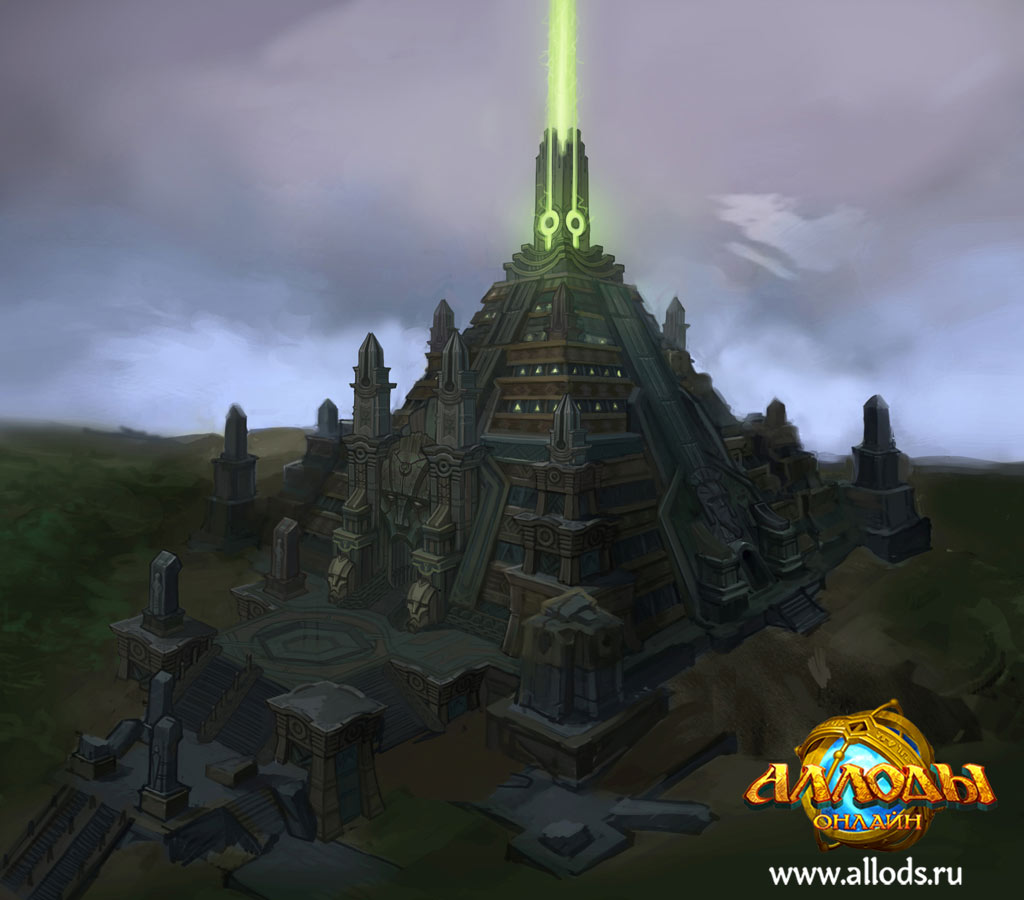
It is believed that, in his final moments, Tenses somehow harnessed the power of Tep’s Pyramid to create this Gift for everyone to use. He saw past the old enmities and understood that the true enemy, the Astral demons, required a united front.
However, death was not entirely without consequence. The Final Death still existed, particularly in cases of extreme violence. If a body was too severely destroyed -- beheaded, bisected, or otherwise gruesomely mutilated -- resurrection became impossible. Death by Astral consumption was absolute, as were certain curses that could sever a soul’s connection to life entirely.
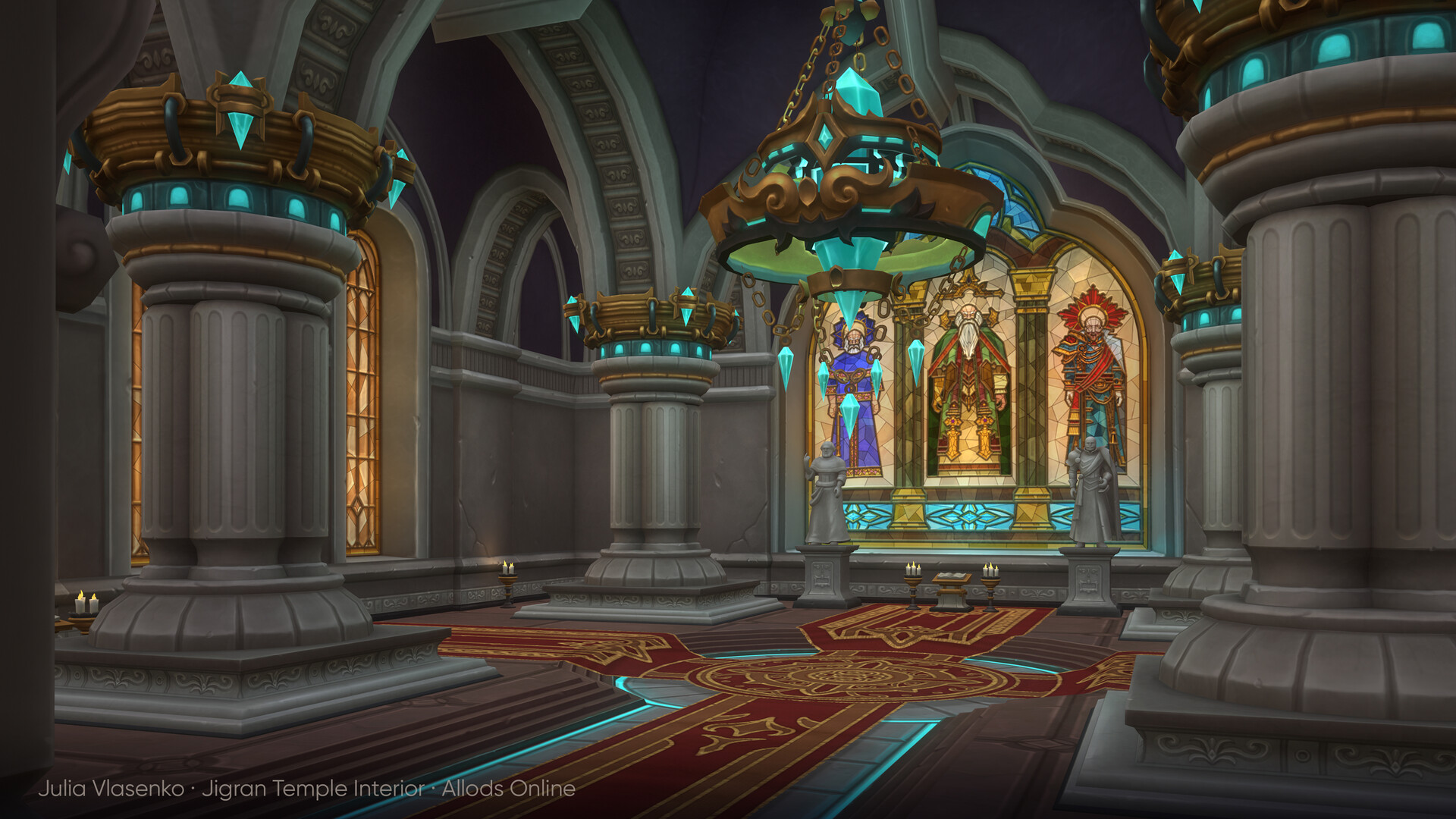
With time, the Church of Light emerged within the League, venerating Tenses as a saint. His power became the foundation of a new kind of magic -- the magic of Light. The Church grew rapidly, its clerics becoming both revered healers and formidable warriors. Even during Nezeb’s reign, there were attempts to wield the magic of Light within the Empire, but it soon became clear that without true faith in Tenses’ sacrifice, the power remained out of reach. Nezeb, unwilling to deify his greatest rival, did not attempt to establish the religion within his domain.
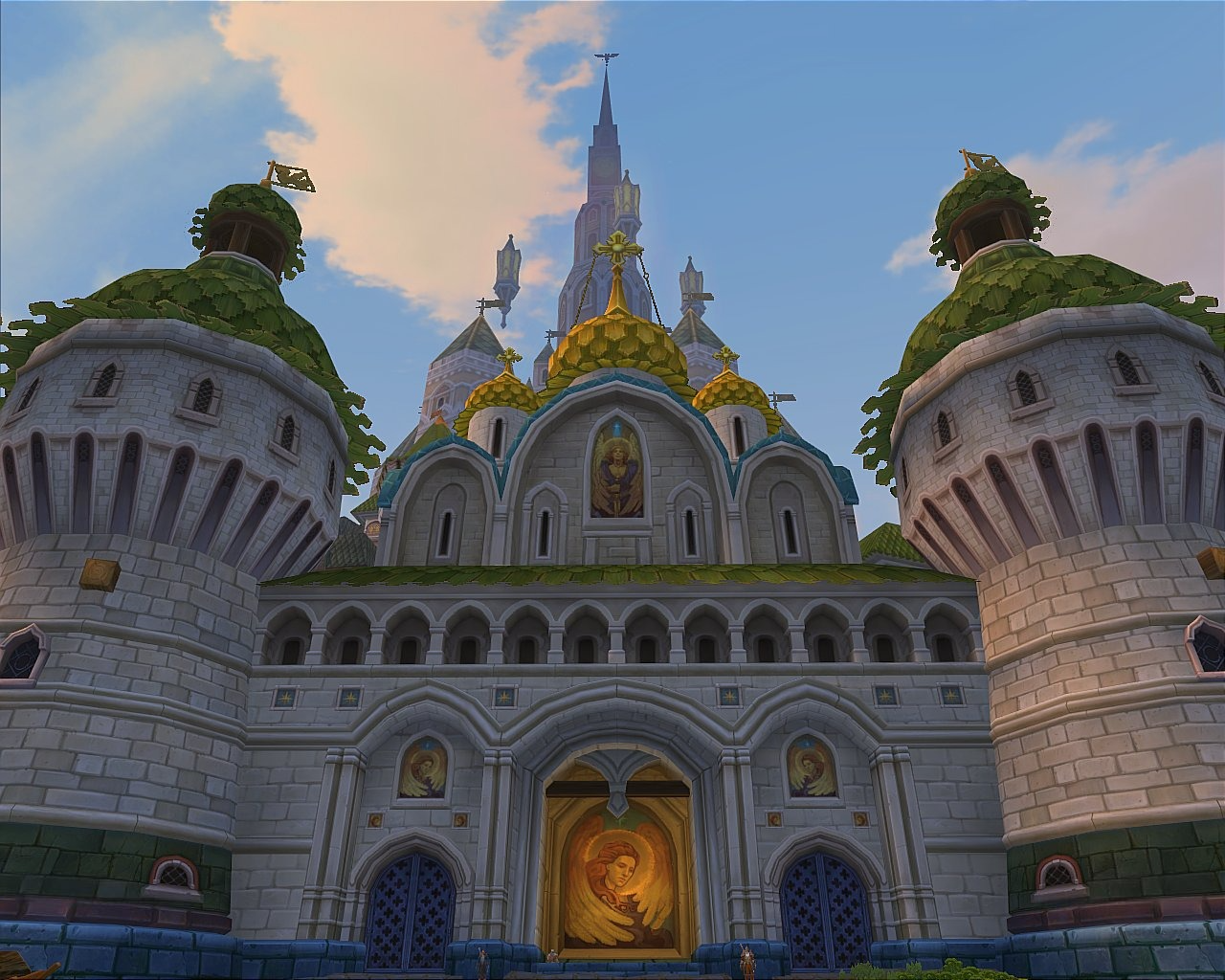
That changed after the Great Astral Crusade. In that climactic battle, the Imperial Guard fought alongside the League Defenders, and the clerics of the Church of Light tended to their wounds. When Nezeb and Skrakan fell, their deaths became the catalyst for the creation of the Imperial Church — the Triune Church, also known as the Church of the Three Saints.
According to its teachings, the sacrifice of Tenses was placed alongside those of Nezeb and Skrakan, and all three were declared Great Martyrs. For the people of the Empire, this was a belief they could embrace, and many did. And so, the Empire, once resistant to the magic of Light, gained its own church, its own priests, and its own wielders of this divine power.