Illusion
Effect Trait
Sensory
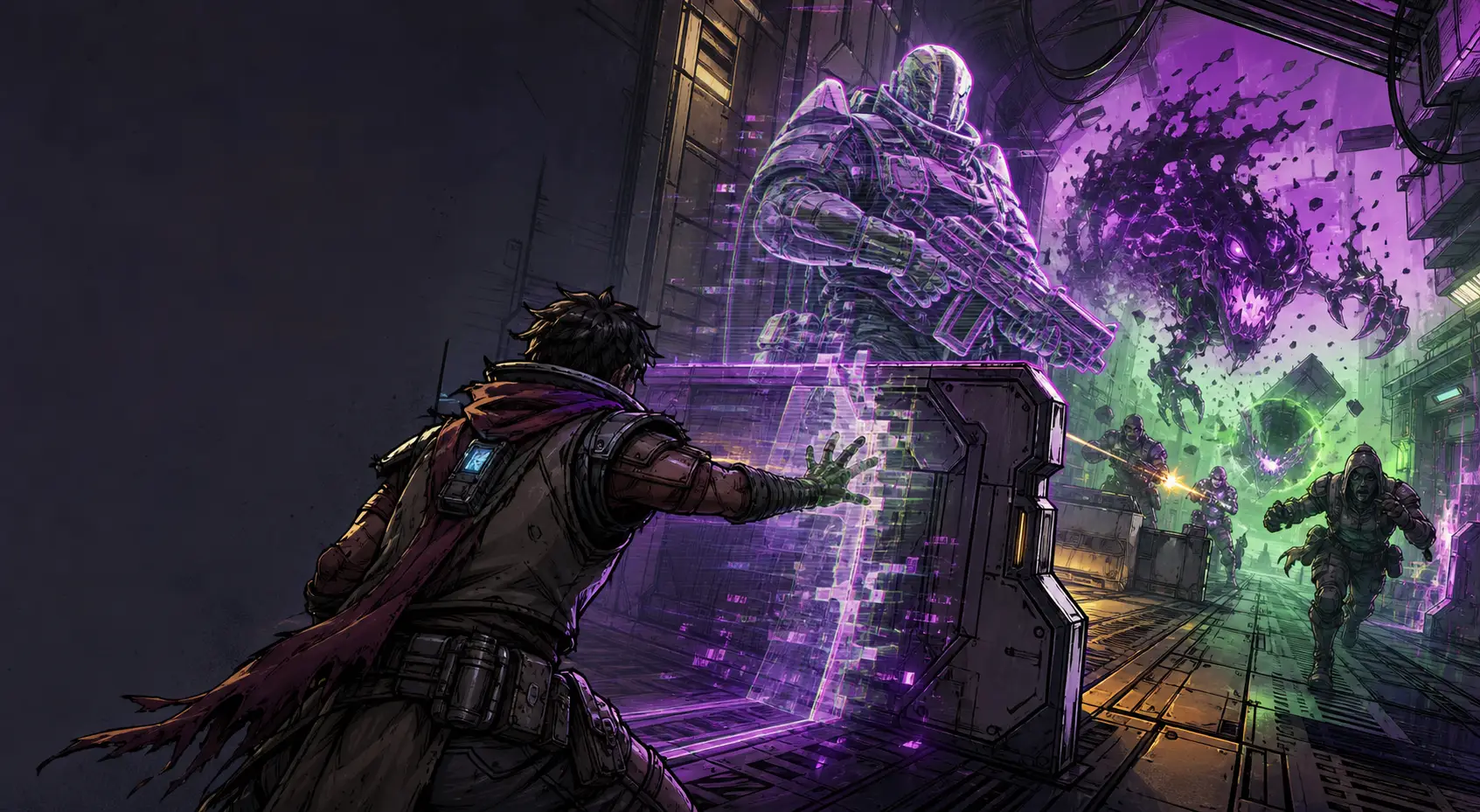
The Illusion trait marks effects and items that create false sensory stimuli rather than directly altering physical reality. Magic with the illusion trait creates the semblance of something real—images, sounds, smells, sensations, or even mental impressions—that can deceive senses and attention. Depending on how an illusion is perceived, the effect may also carry auditory, visual, olfactory, or mental traits, indicating which senses it targets.
Many illusions give creatures a chance to disbelieve them. Typically, a creature makes a Perception check (or sometimes a Will save or another check) against the caster’s spell DC when it Seeks, touches, or otherwise meaningfully interacts with the illusion. If it succeeds, it recognizes the effect as false and can ignore it, though visual illusions often remain as hazy, indistinct images that might still provide concealment. Some illusions (especially mental ones) specify their own disbelief rules, often using Will saves to resist the false perception.
Crucially, most illusions do not create real physical objects or actual damage, even when they can flank, block line of sight, or cause mental damage via belief. Illusory creatures, for example, deal mental damage because targets believe the attacks are real, but they cannot move physical objects, trigger physical-only effects, or satisfy conditions that require a specific damage type or actual physical impact. Illusory walls and objects can look and feel real enough to prevent movement until disbelieved, but they don’t stop physical matter once a creature’s mind no longer accepts the lie.