(gahr-ah-VELL)
“Water, water,” they cried, and the gods of water listened. Out of the rock sprang water; out of death, life.
-The Passage of Arik, 11/3
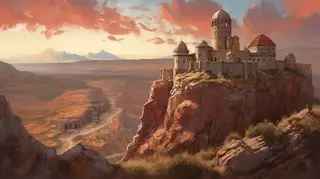
Gerravel is a fortress that marks the border of Lebeit. Situated on a rocky hill in the middle of the isthmus connecting Lebeit and The Sekeish Empire, it is supplied by a single spring that sustains a small population of defenders.
Layout
Gerravel is perched on the top of a mesa along the Verdant Tables on the Neck of Arik. The castle itself is built amidst the ruins of an old fortress dating back around 300 years.
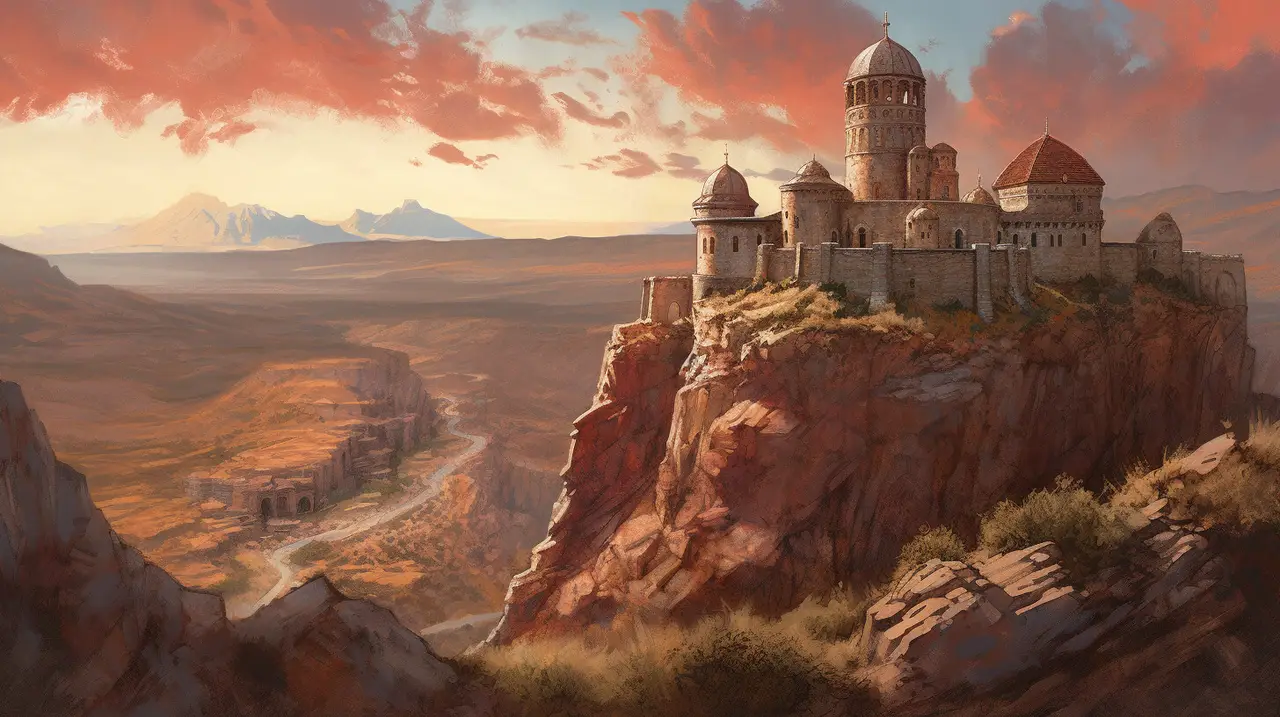
The main structure—a tall, thick curtain wall that encompasses most of a mesa—contains the keep, lodgings for soldiers and their families, various shops for crafting weapons and armor, storehouses, and etc. A large stone bridge connects the main mesa to another one dotted with the ruins of stone structures (this one unwalled), and this one contains some extra housing but is mostly used for limited agriculture.
Built into the stone structure are large reservoirs that collect the spring water.
At the foot of the mesa, a river cut a pass through the Tables, creating a natural road between Clonis and Lebeit. A weather-beaten stone wall stretches across this gap and is manned night and day. A stone staircase carved into the side of the mesa winds from behind the wall to the front gate of the fort.
Defenses
Lebeit is exceptionally hard to lay siege to. Because of its integrated spring, large food stores, and low resource demand, it can last for years. It also has a massive wall that forces armies to stop and take Gerravel before moving on. Its network of elk-riding scouts allows it to know far in advance about any incoming armies.
It’s also a recon and intelligence hub. Lots of scouts come in and out as they watch the actions of the enemies.
Residents
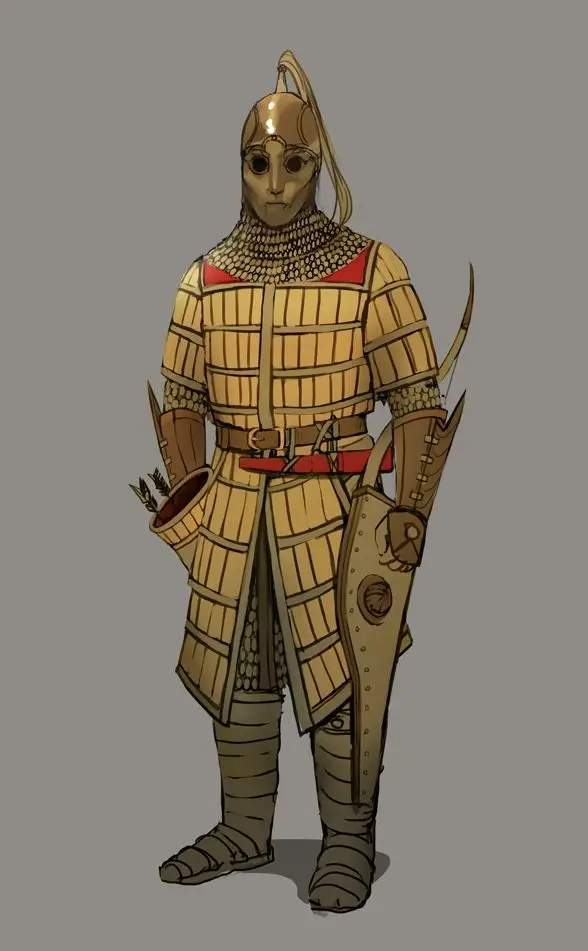
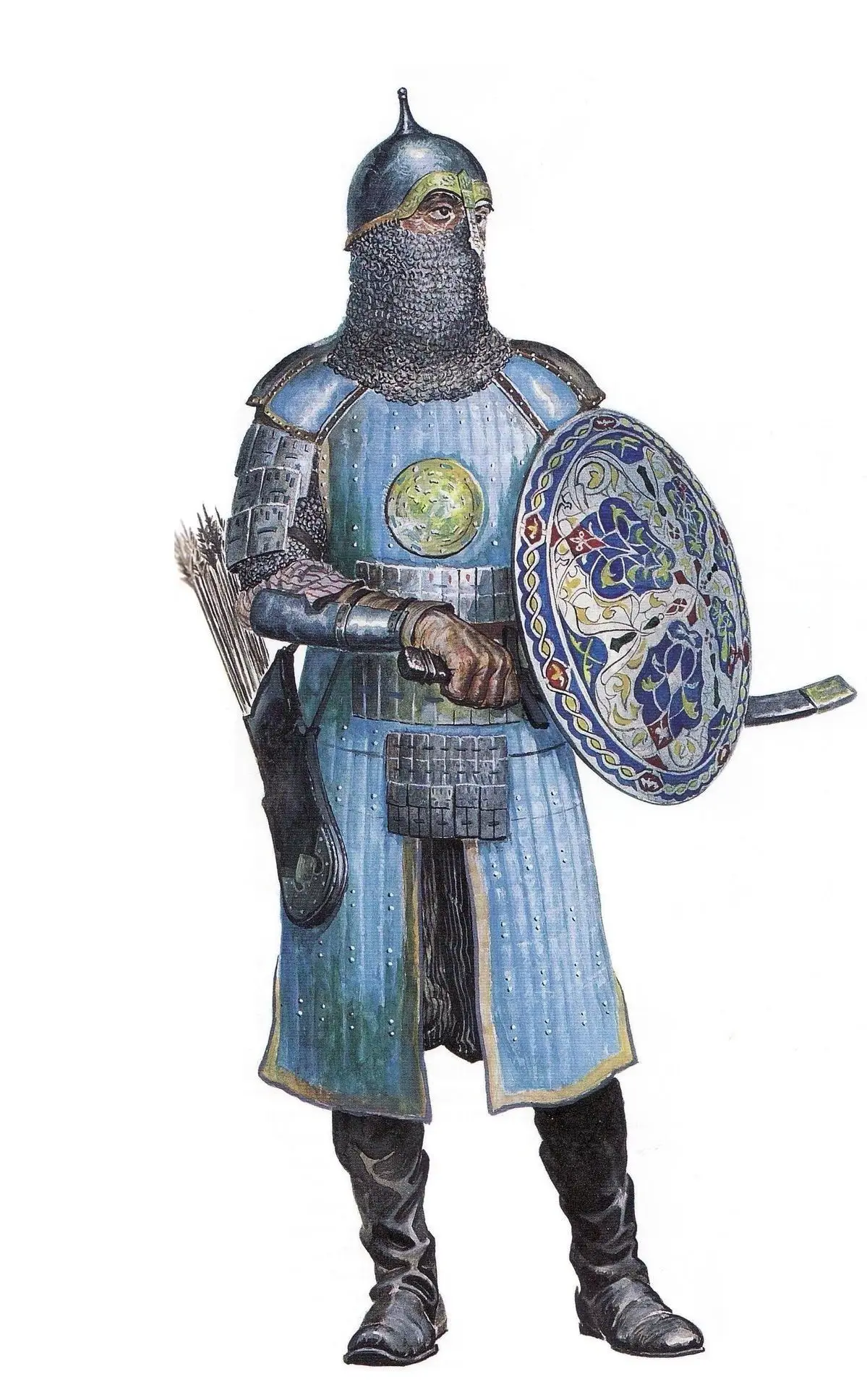
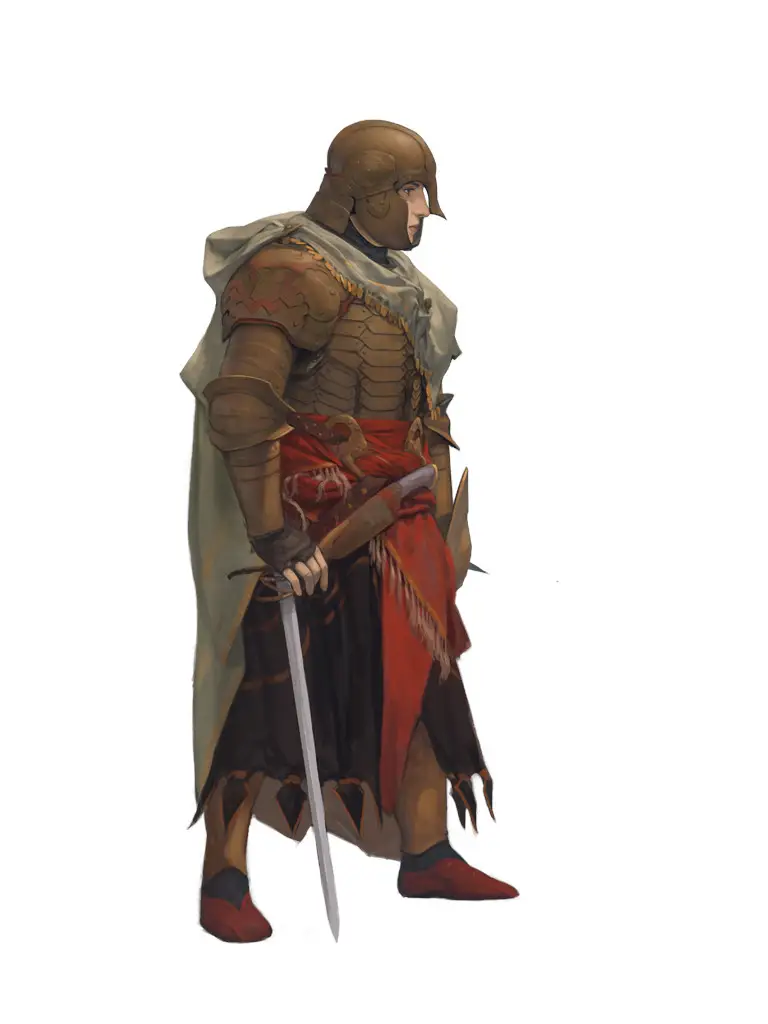
The people of the fort are tough and hardy, surviving in the scrubby wastes only through sheer stubbornness. They take pride in their home and survival skills and are self-sufficient. They only occasionally receive news of the outside world when caravans pass through. War? Governmental collapse? Famine? Drought? It doesn’t bother the people of Gerravel one bit. As long as their spring keeps flowing, they’re happy.
While the citizen army takes pride in defending their fort, they also know impending death when they see it and aren’t too stuck up to bargain with the conquering army. In past wars, they’ve been mostly left unchanged, only bound to a new king or lord.
History
The hill of Gerravel first appears in myth as a location mapped by Arik the Longfooted during his famous exploration and conquest of Lebeit. According to legend, he was on the brink of death, starved and dehydrated, when he pleaded to the gods to preserve his life. Just then he spotted a spring flowing from a tall, rocky hill and there refreshed himself. His exploits are preserved in the ancient text The Passage of Arik compiled by the philosopher Tayene.
The fortress itself was reportedly built in 300 BC by some empire as a means of defending their empire across the Lebeitian peninsula. It was eventually abandoned but later rebuilt by the Demirans and used as a trading post. After the collapse of the Demiran empire, the new Lebeitian democracy further fortified it as the southernmost tip of their lands. It has been sieged a few times over the past 90 years, with varying results (the Clonisans captured it in 32 AD for a couple of years), but it is currently a self-sustaining community of battle-hardened warriors (and their children) who are determined to keep their country’s border safe.
Food
The people of Gerravel receive most of their food from supply caravans that Marleth sends to keep them running. Some agriculture is possible, along with raising cattle.
Stuff
Here are some additional world-building details that could enhance the understanding of how Gerravel works:
Castle Layout: Describe the layout and architecture of the castle to give readers a visual understanding of its structure. Are there multiple towers, walls, courtyards, and battlements? How are different areas of the castle connected?
Defense Mechanisms: Explain the specific defense mechanisms employed by the castle. Are there any unique features like a moat, drawbridge, or hidden passages? What about defensive weaponry such as ballistae, trebuchets, or boiling oil?
Governance and Leadership: Provide information about the castle's governance and leadership structure. Who is in charge of overseeing the castle's defense? Are there other important figures like a council of advisors or a local magistrate? How are decisions made and conflicts resolved within the castle?
Daily Life: Describe the day-to-day activities of the inhabitants. How do they maintain the castle and its defenses? What tasks are assigned to different individuals or groups? What is the relationship between the soldiers and civilians living within the castle?
Supply and Logistics: Explain how supplies and resources reach the castle, considering its remote location. Are there trade routes or merchants who bring essential goods? How do they handle food, water, and other necessities within the castle? Are there any challenges in maintaining supplies?
Communication and Information: Explore how communication is facilitated within and beyond the castle. Are there messengers, signal towers, or a network of scouts? How do they receive news or updates from the outside world, and how is this information disseminated within Gerravel?
Social Dynamics: Elaborate on the social structure and dynamics within Gerravel. Are there hierarchies based on roles, social class, or military rank? How do the inhabitants interact with each other, and are there any notable customs, traditions, or celebrations?
Relations with the Sekeish Empire: Describe the historical and current relationship between Gerravel and the Sekeish Empire. Are there periodic conflicts, tensions, or negotiations? How do the castle's inhabitants perceive the empire, and what measures are taken to defend against potential threats?
Natural Surroundings: Provide more details about the natural environment surrounding Gerravel. Are there any unique or dangerous creatures in the nearby wilderness? How do the inhabitants interact with the flora and fauna? Are there specific seasons or weather patterns that affect daily life?
10. Culture and Beliefs: Highlight the cultural aspects and beliefs of the people living in Gerravel. What are their values, traditions, and customs? Do they have any particular superstitions or religious practices? How do these aspects shape their daily lives and decision-making?
By incorporating these additional details, you can create a more vivid and immersive world for your readers, enhancing their understanding of how Gerravel functions within the larger fantasy country.
https://pin.it/44hpeDv