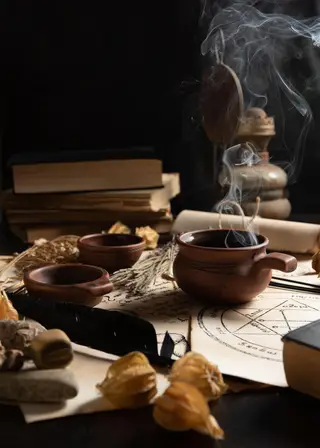
In Pathfinder 2nd edition, a person can invest in 10 magical items a day. In the Taeavor setting, invested items are bound to an individual through the process of Consecration. Unless you have a use case for the GM explaining otherwise, it is recommended you follow the roleplay spirit of this article and ensure that you offload items you no longer wish to invest and stay at or under your limit of 10.
Consecration is a profound and ancient process through which an individual can invest a fragment of their Soul into an object, imbuing it with extraordinary powers. Consecrated items grant their wielders unique abilities, ranging from enhanced combat prowess to access to rare and powerful forms of magic. These items are highly coveted for their ability to significantly amplify a person's capabilities.
The Process of Consecration
Consecration is not a simple task. It requires separating and investing one of the 11 reflections of the Lenses—the emotional and metaphysical aspects of a Soul—into an object of choice. This act binds the item to the individual, making it a literal extension of their being. The Lens invested determines the type of power the item provides, reflecting the emotional and elemental forces it embodies.
For individuals with highly focused and aligned Souls, Consecration is relatively straightforward and carries minimal risk. However, for the average person, the process is arduous and taxing. The act of separating a Lens leaves a profound emptiness within the Soul, requiring days of recovery to restore equilibrium. For seasoned adventurers and those trained in the art of Consecration, the strain is significantly lessened due to their honed bodies and resilient Souls.
The Role of Craftspeople and Magic Items
Craftspeople and enchanters play a pivotal role in the creation of Consecrated items. To imbue an item with power, they must undergo the Consecration process themselves, temporarily binding their own Soul to the artifact. This personal investment explains why magic shops often have a limited selection of items; each piece represents a significant cost to the craftsperson.
To avoid long-term consequences, merchants and enchanters require purchasers to undergo Consecration upon transfer of ownership. This process severs the craftsperson’s bond with the item and binds the buyer’s Soul to it instead. This contractual safeguard protects the craftsperson from the risks associated with carrying a fragmented Soul while ensuring the item's full potential is accessible to its new owner.
The Risks of Consecration
Consecration is not without danger, particularly for the untrained or unwary. Investing a part of one's Soul into an object can leave an individual vulnerable, both physically and spiritually. For common folk, the risk of losing a piece of their Soul to theft or misuse is a serious deterrent. The highly personal nature of Consecration also means that these items are not easily transferred without significant preparation and ritual.
Image by Ann_Milovidova from Pixabay