There are not necessarily species- or bending-specific nations. Of course the different species have different preferences when it comes to housing situation and scenary. So of course some cities - or even whole regions - are primarily human, others primarily orc, others elves, and so forth. But one such human city can be just a mile apart from an orc stronghold. Makes for nice neighbourhood drama.
And then there are the bigger cities, where all of those species clash together and you can't really tell who is the majority. Those are often ruled by either guilds or councils with representatives from each species. Those metropoles might have quarters where one species is dominantly at home - but not all have.
And then there are the wide farmlands where the next neighbour might be miles away and even orcs and humans work together against the forces of nature or pillaging groups or whatever else it threatening their life and work.
Different regions of the world have different cultures - across all the species living there. So the cultural heritage of a single individual depends on where he lives as as well as of what species he is.
As there are always those with a more sophisticated interest in power all the lands are divided up into nations. If your local townsfolk care as to who the official rules at the moment is: well, that is a completely different question. Also there are certain tribes, clans or hordes who see only themselves as the legitimate rulers of their jungle/desert/land/... And if challenged they will defend their claim by axe, wand and sword.
Continents, Nations and Places
There is not one "persistent" world throughout all the games and adventures using F3K. Instead build up your own continent - or islands - for your scenario / campaign. Of course you might want to re-use it, so build it up big enough. But if your world is something unique and not identical to my world it makes it more special to you.
World & Continent
For simplicity the world as a whole is just named "earth" (yeah, boring. Sue me 😝)
If you start your scenario and have only one continent you play on call it Pangaea.
Pangaea ausgestalten
Following the great advice from Dungeon Worlds (Principles: "Draw a map, leave blanks") but making it easy to handle we split the whole of Pangaea into 30 parts of equal size. Each of those parts is one County (de: Grafschaft). Nations (de: Nation) consist of one or more counties (Ideas of how to define those follow below). For all those counties you define a name and the dominant species and maybe some more special attributes or NPCs, e.g. the ruler(s). For measure: To travel across one county takes a week by horse.
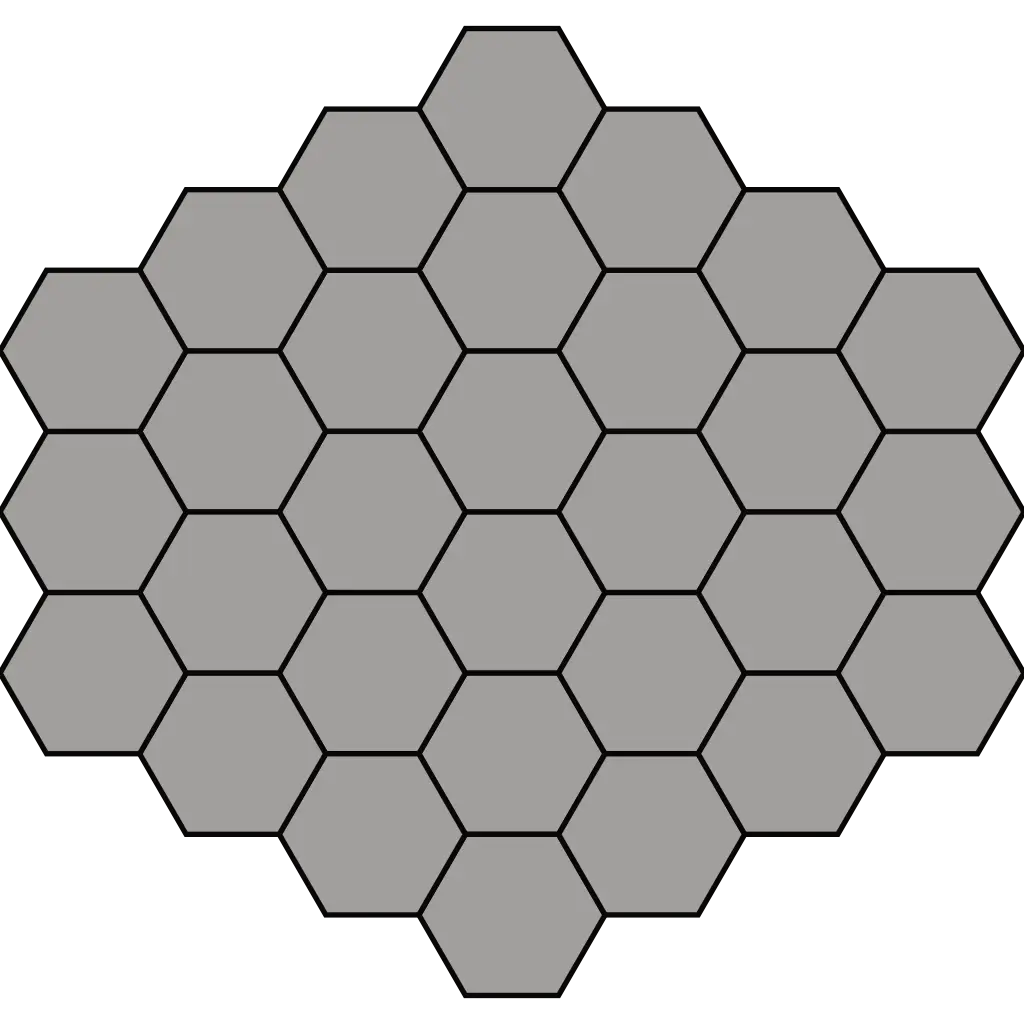
Each County is made up of 7 districts (de: Bezirk). Each district will be named once necessary, and as with counties name NPCs and interesting details as necessary. But not more. A district is a somewhat big area with different villages, lakes, woods, cities inside. Metropoles, like maybe the capital of a nation, but fill out a complete district.
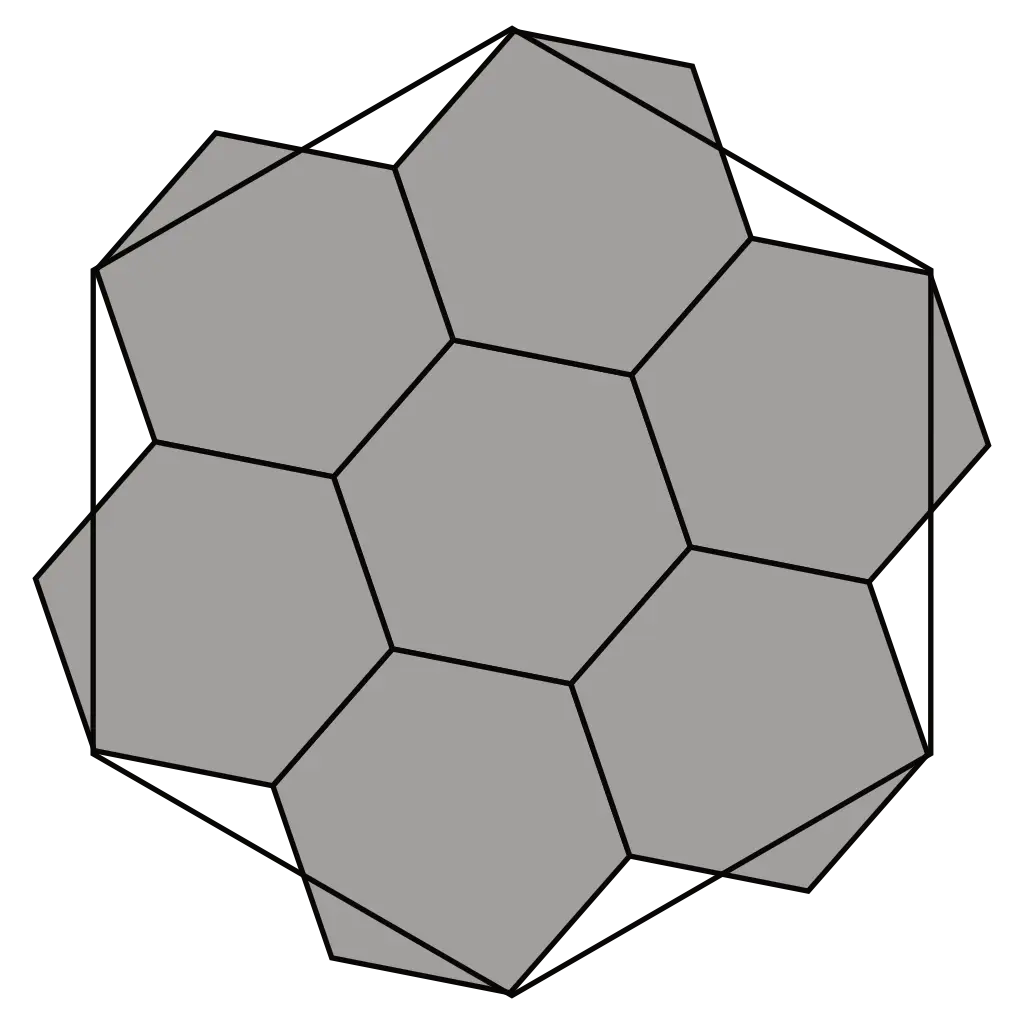
Each district is made up of 7 regions (de: Region). Each region will be named and defined once necessary. One region might be a village (with surrounding fields), farmland, a forest, a lake, even smaller cities. Don't subdivide any further unless necessary. Bigger lakes, forests or cities might even take up more than one region of a district.
This approach gives you 1470 different regions to fill with details. Most of those empty at the beginning, except for brief and necessary details. But still once you place a location into one of those regions you already have a sense of where it is on the whole of Pangaea and what might be around it.