The stubby fishfolk called the kuo-toa used to be an influential force in the underwater biomes just like the dwarves were during their time. The kuo-toa studied magic and its applications to the point that their biology shifted to aid them in this research. Strangely nothing is known of the kuo-toa practices or settlements or culture before the fall. The kuo-toa themselves believe that they used oral tradition¹ even during their advancements, while some believe that everything was wiped off the face of the sea in a cover up. The ruins of the kuo-toa empire are still standing in odd landmarks near seagrass meadows.
Oral tradition is the telling of stories to convey information, unlike written tradition.
Outline
Type Storytellers
Influence Minor
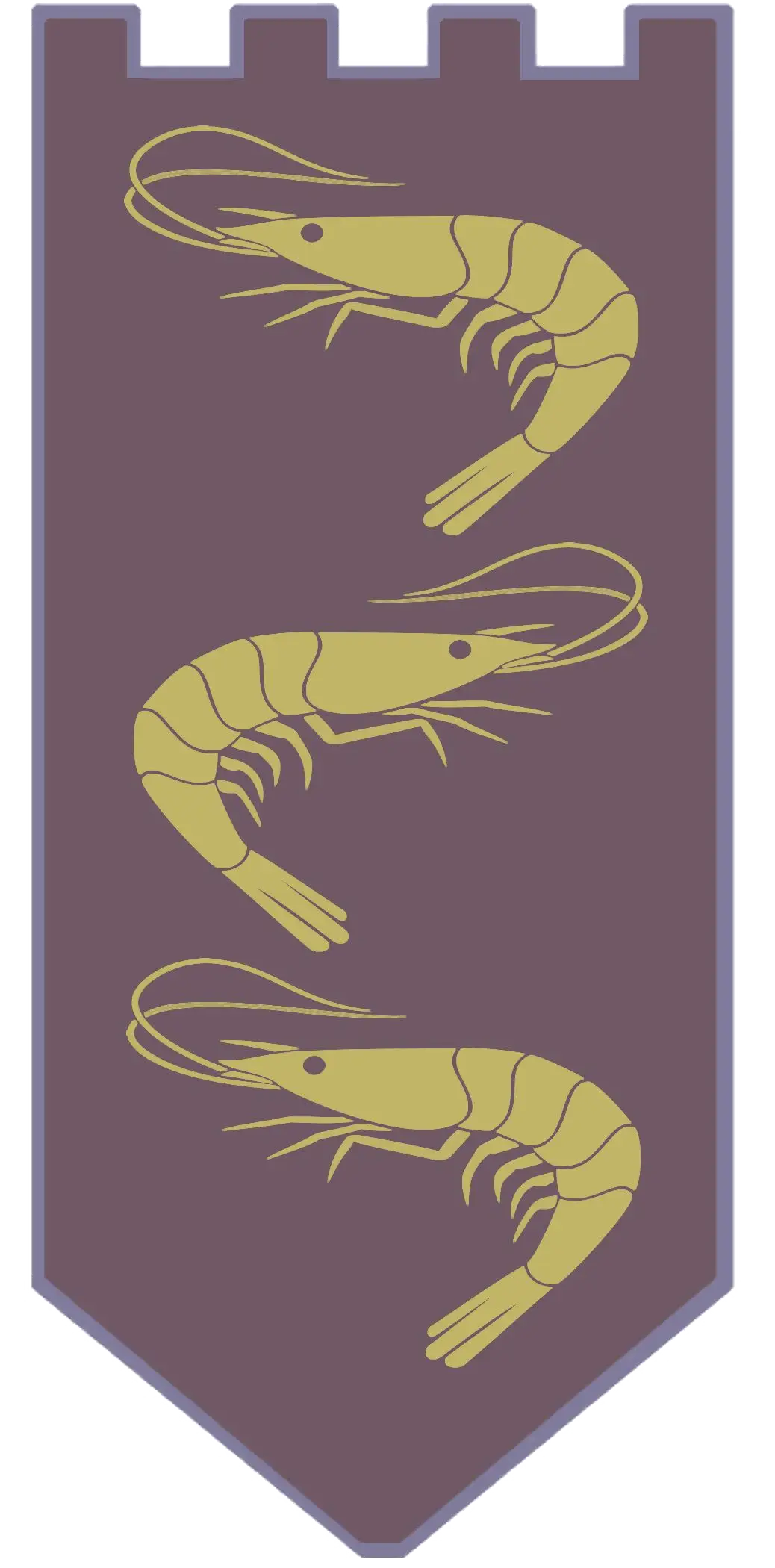
The Wehiké Principality
Leadership None
Anarchy
Allies Geas Committee by Merrows
Harmony of Merfolk
Key Information
Improvationairy
Kuo-toa are more creative and certainly more insane than goblins. Needing only a concept and objects that resemble what they need, they can make it, no need for glue. The problem of their weapons and machines is that with a single hiccup can destroy it completely as doubt breaks their concentration and belief.
A large collection of kuo-toa can use their collective subconscious to believe in a concept beyond reality and make it real. Some say that the gods that embody an element of the world without a human form are just kuo-toa remembering the element and all its properties in great detail.
History
These are the stories told by the kuo-toa troubadour¹ Desta-jelko about their city:
A troubadour is a person that tells stories for a living to entertain people. It is a very specific version of bard.
Death of the City
“Big monster strong and slick, braces tentacle to kill kuo-toa quick.“
”Kuo-toa run and hide from the monsters weapons and brine. But out he walks to grab an orb of shine.”
”In his hands the orb oh so fine, he sees the monster pull him in twine”
Moral of the story “When death comes, objects have no value.”
Search for Friends
“In a cave the kuo-toa went, hiding from from predators with his scent.“
”In the dark and glum, was a man with hues of plum. He stands there silent almost numb.”
”The man speaks in words not known, but some bread the kuo-toa dares to loan.”
”The predators scared from the pair, able to walk back with stories to share.”
Moral of the story “If you no know someone, give them a sandwich. He can be a new friend.”
Squids attack!
“It was not a journey far awayth, but a sickened kou-toa on his back swayeth.“
”The drool of the sick, runs down prick.”
”When it stings like ray, he does not mind, the journey is but a day.”
”When night falls they will both be dead, for the pain to his heart has spread.”
Moral of the story “Save yourself, then save other. Else you’re both dead.”
Community
Shattered Civilization
The kuo-toa civilization was lost many centuries ago, but many kuo-toa are still walking around with tales of their city and imaginary world. Oral tradition is a worthy job for the sun blinded fishfolk. Curiously, kuo-toa have an innate ability to speak the same story as if it travelled from the other side of the continent as long as another kuo-toa heard the tale.
Culture
Magical Attuned
Kuo-toa have a sight into the ethereal plane and with it a visual understanding of how wild magic works, using it to their advantage. During their height of power a sorcerer can activate the wild magic in precision, however they only get this power during absolute madness.
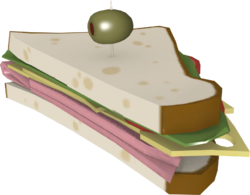
Out of the stories told about their city the silliest is that kuo-toa were indeed the first to cast the wish spell, a spell so powerful it could change the pantheon if desired. But since the caster was dazed, drunk or mad, the sorcerer wished for the spell to make a sausage sandwich¹.
For some reason Kuo-toa are in love with sandwiches, they get an extreme high out of eating them. If you meet a kuo-toa, offer them a sandwich. They will do anything for a single sandwich.