The Galeahan Commonwealth is a vast and rugged highland kingdom stretching across the Steppes of Galeaha, a land of windswept plateaus, sheer fjords, and endless moors. The region’s harsh climate and untamed wilderness have forged a hardy people, deeply rooted in tradition, survival, and warfare. Though once fragmented into feuding clans, the kingdom has since united under a centralized Clan Council, where major noble families rule their respective regions but answer to a greater authority. While the majority of the population consists of farmers, hunters, and warriors, the major cities serve as strongholds of governance, trade, and culture.
Capital City
Geography
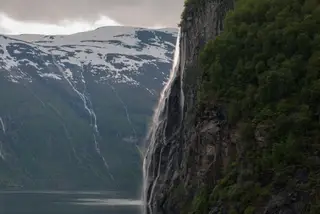
The Steppes of Galeaha are a land of rolling highlands, deep fjords, and mist-covered moors. Sheer rock faces and hidden valleys create natural defenses, making the region difficult for outsiders to invade. Great river networks carve through the land, providing the main arteries of trade and travel between the settlements.
Climate
A subpolar oceanic climate (Cfc) defines the region, with cool summers, harsh winters, and frequent fog rolling in from the coast. Gale-force winds tear through the moors, and heavy rainfalls nourish the rugged grasslands.
Population
Estimated: 2.3 Million
Human (62%), Dragonborn (14%), Dwarf (12%), Elf (6%), Halfling (3%), Gnome (2%), Orc (1%)
Government
The Clan Council governs the Commonwealth, consisting of the heads of the great noble houses and influential warrior-clans. Each region is ruled by a High Chieftain or Clan-Lord, but all major decisions must be brought before the Council in Gunnarsholt. The Steward of the Commonwealth, currently Lord Baelric Thorsen of Clan Thorsen, acts as the first among equals, presiding over meetings and enforcing unity.
Though fiercely independent, each noble house is bound by oaths of loyalty, ensuring that internal conflict does not shatter the fragile unity.
A Short History
The Steppes of Galeaha were first settled in 240, when human refugees fled the dragon-infested lands of Gyte. Here, among the fjords and cliffs, they carved out a new home, building fortified settlements that even dragons struggled to penetrate. Over the following centuries, they honed their guerilla warfare, learning to ambush and repel draconic raids.
After the first Dragonborn arrived under a banner of peace. Instead, the humans saw them as an insidious ploy, executing most of the delegation and sparking the Great Dragon Wars. This brutal conflict defined the region for seven centuries, locking humans and dragons in a bitter stalemate.
By 930, neither side could claim victory, leading to a begrudging ceasefire. Though hatred for dragons remains, the Dragonborn—who had suffered betrayal from both sides—were eventually assimilated into Galeahan society, proving their worth as warriors, smiths, and advisors.
The modern Commonwealth formed in 1275, when the last great clan wars ended with the establishment of the Clan Council, uniting the noble houses under a single banner. Now, while not at war, the Commonwealth remains ever vigilant, its warriors always prepared for the return of ancient foes.
General information
Geography
The landscape of the Galeahan Commonwealth is a vast and untamed expanse of windswept steppes, towering cliffs, and mist-laden moors, shaped by the relentless forces of wind, rain, and time. Rolling grasslands stretch for miles, their golden hues shifting with the seasons, interrupted only by jagged outcroppings of dark stone that rise like the bones of the earth itself. The land is rugged and uneven, with deep river valleys carving through the countryside, creating natural corridors of trade and travel. In the distance, imposing highlands loom, their peaks crowned with ice even in the warmer months, standing as silent guardians over the land.
The coastline is a treacherous blend of sheer cliffs, rocky inlets, and labyrinthine fjords, where the sea churns against the land with unyielding force. Mist rolls inland from the water, blanketing the region in an almost perpetual veil of fog, obscuring the landscape and lending an air of mystery to the land. Many of the coastal cities are built into these sheer cliffs, their fortified structures carved directly into the stone, offering both shelter from the raging storms and formidable defense against would-be invaders. From these strongholds, watchtowers and ballista emplacements overlook the waves, standing ever vigilant against threats from both land and sea. Above these cities, the highland farmlands sprawl across the plateaued steppes, where resilient crops and livestock thrive despite the region’s harsh conditions. These elevated fields are the lifeblood of the Commonwealth, feeding its people while remaining protected from raiders by the impassable cliffs and well-defended settlements below. Forests cling to the lower slopes of the highlands, their trees gnarled and twisted by the relentless winds, while vast stretches of open moorland are dotted with scattered stone ruins and ancient cairns, remnants of a time before the kingdom’s unification. Though beautiful, the land is as harsh as it is breathtaking, demanding resilience from those who call it home.
Government
The Galeahan Commonwealth is ruled by a centralized Clan Council, a body composed of the High Chieftains and Clan-Lords of the major noble families that control different regions of the kingdom. This system preserves the historical autonomy of the old clans while ensuring the kingdom remains united under a single authority. The Council convenes in Gunnarsholt, where they hold deliberations on matters of law, war, and governance. Decisions are made through heated debate and negotiation, as each noble house seeks to preserve its interests while upholding the collective stability of the Commonwealth. At the head of this council is the Steward of the Commonwealth, an elected leader from among the High Chieftains, who serves as the first among equals. The Steward holds executive power, acting as the ultimate arbitrator of disputes, the commander of the kingdom’s military forces, and the enforcer of the laws decided upon by the Council. However, their authority is not absolute—should they fail in their duties, lose the confidence of the Council, or break the sacred oaths of governance, they can be removed through a vote of no confidence, a process that has led to bloody power struggles in the past.
The Commonwealth is deeply traditional, with laws and customs rooted in oathkeeping, honor, and personal responsibility. Each noble house enforces regional laws, collects taxes, and oversees their people, though all must obey the High Laws of the Commonwealth, a code that has been revised and expanded over centuries. These laws ensure that disputes between clans are settled through negotiation, sanctioned duels, or arbitration rather than open warfare, preventing the infighting that once threatened to tear the land apart. Military service is a core duty of all noble families, and each region is required to maintain a standing force of warriors that can be called upon in times of war. The great houses, while powerful, are kept in check by a network of sworn vassals, warrior societies, and independent clans, ensuring that no single faction can seize total control.
While the noble families rule the countryside, the coastal cities operate under a separate structure of governance, overseen by Council-Appointed Lords who report directly to the Clan Council. These cities are the trade and naval hubs of the Commonwealth, serving as both fortresses against foreign invaders and centers of commerce that sustain the economy. Though the Council holds ultimate authority, the cities wield considerable influence, particularly in matters of trade, diplomacy, and shipbuilding. The Commonwealth, though rigid in its traditions, is not without change—there are whispers that some seek to expand the power of the cities, shifting the balance of rule away from the highland nobility. For now, the clan-based system endures, held together by a shared past of survival, conquest, and the ever-present threat of old enemies returning from across the sea.