Kohbarad rose from the ruins of Khaz’Darad, where the Oasis War split 'The Neck' and left deep scars in the ancestral home of the desert dwarves. Kohbarad stands astride the wound where the Neck was broken, a nation balanced between two regions.
Kohbarad’s people live where desert cliffs face green valleys, and they adapt by being both divided and united. Life on the bridges teaches them balance: every step must be sure, every tie between clans carefully tended.
Kohbarad's dwarves grow their bodies broad-shouldered, with legs strong from climbing and crossing the stone arches. The oldest among them are slow-moving but immovable, like pillars holding the city above the chasm.
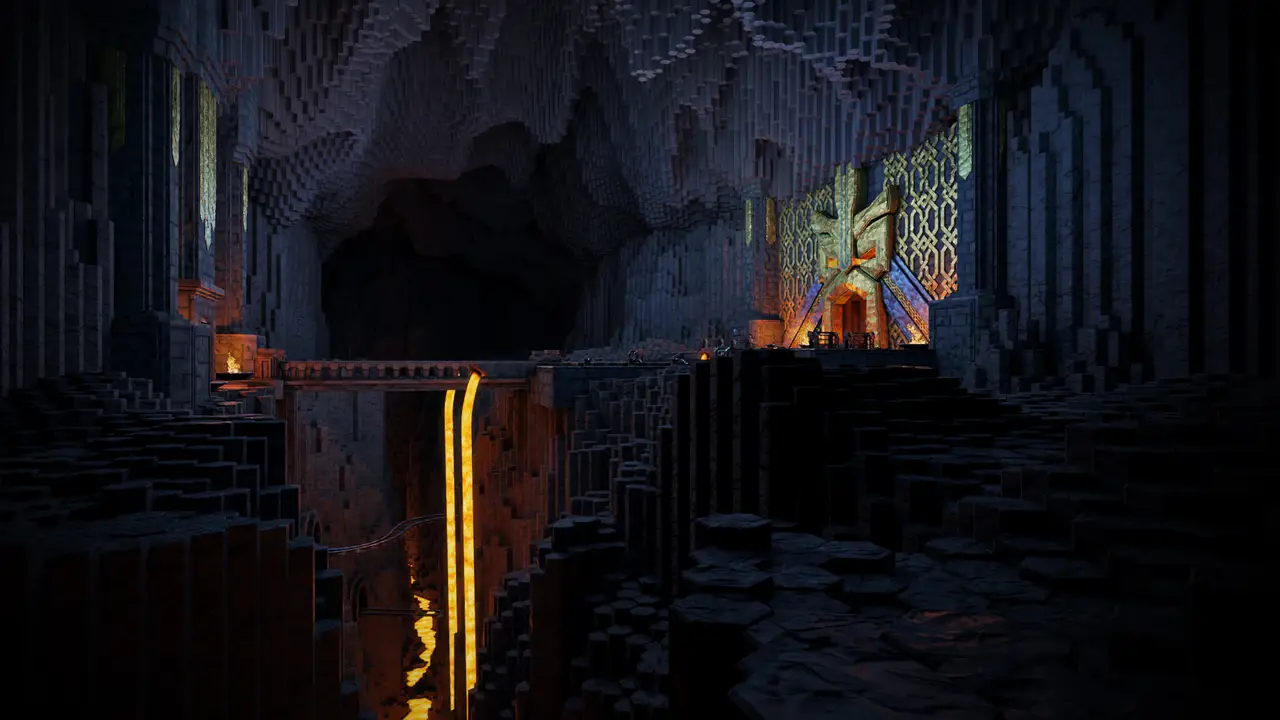
The settlement runs both above and below. High bridges carry markets, temples, and clan halls from cliff to cliff, while deep beneath the broken riverbed, vast halls are carved into the stone, where the dwarves mine, forge, and gather.
To walk the bridges is to see desert on one horizon and fertile green on the other, a daily reminder that Kohbarad lives between survival and decay, between memory of what was lost and hope for what can still endure.
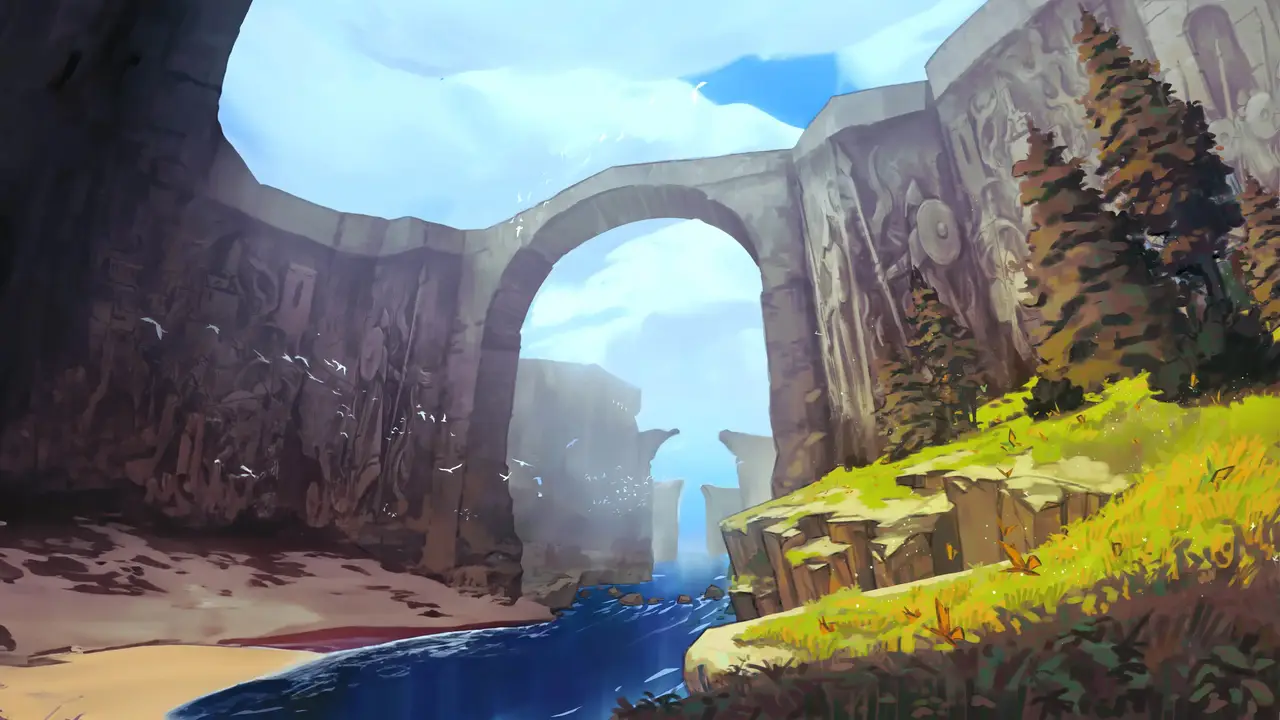
On its southern side, the cliffs open onto a barren, desertified range of red stone and wind-scoured sand, reflecting the dwarves of Âtashbarad. On its northern side, greenery still clings to the land, kept alive by irrigation channels and the careful tending of the mountain streams, similar as life in Sâdbarad. The nation spans this divide with great bridges of carved granite and metal, joining desert and green in a way that only dwarven craft could endure.
Pact of Three
Kohbarad is more than a city of stone and bridges — it is the meeting ground of all desert dwarves. Since the end of the Oasis War, the three lords and their six counselors gather here, at the The Suspended Pact, to decide matters for the whole people.
The hall itself is a wonder: it hangs suspended between two cliffs, its great stone span carved with the runes of every clan. Below it yawns the scar of the Neck, the wound of the war, as if to remind them that division comes at a cost.
Every 25 years, the council’s name and voice shift between the three settlements, but it is always Kohbarad that hosts them. When Sâdbarad rules, the bridges are draped in blue banners, and the Fyreward Council speaks for the rivers. When Âtashbarad rules, scarlet cloths blaze across the cliffs, and the Dunehearth Council raises the torch of the desert. When Kohbarad itself holds the chair, the banners are of engraved with silver and gray, and the Stonebreaker Council becomes the voice of balance and endurance.
The Suspended Pact
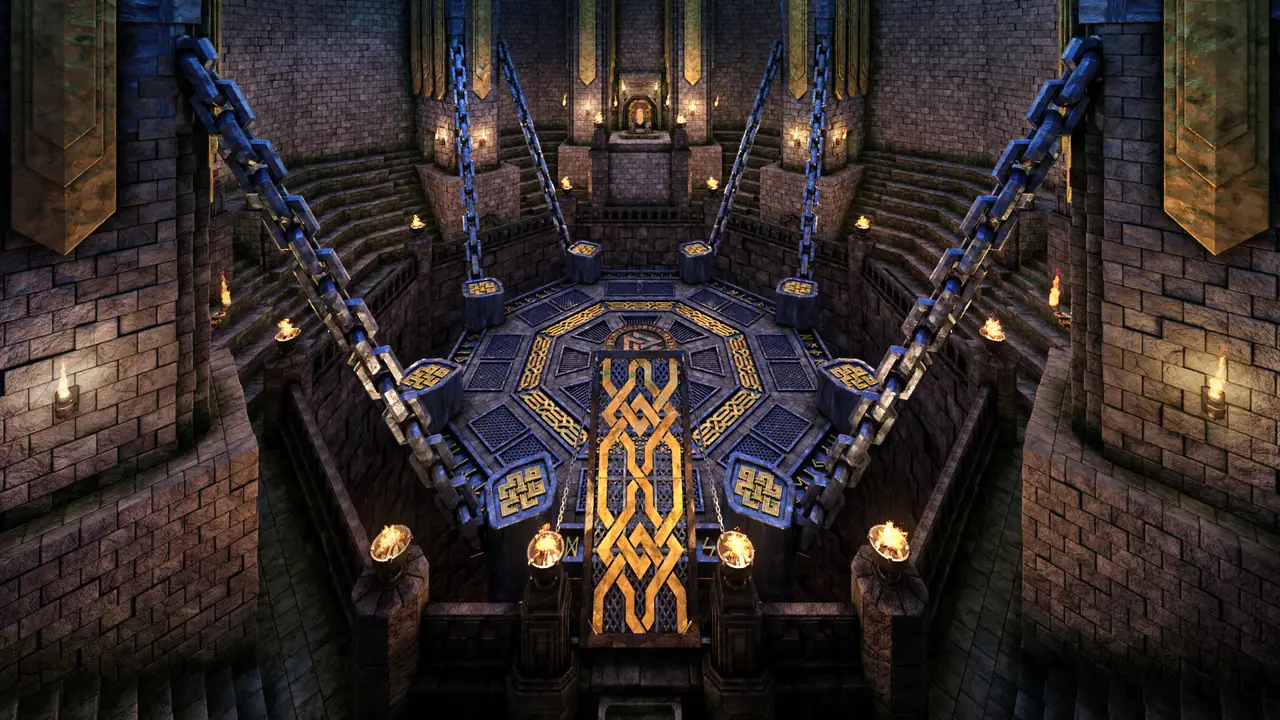
The council meets on a massive platform suspended above the yawning chasm of the Neck, eight smaller platforms radiating from the center for each ruler and councilor, while the governing leader sits atop a raised throne, guiding the fragile balance of the hall.
Thick chains of blackened iron, forged by generations of master smiths from all three settlements, hold the platform aloft, creaking and humming with every movement. Below stretches a pit of fractured stone, dead rivers, and darkness, a constant reminder of Khaz’Darad's ruins below.
Every step, every argument sends vibrations through the chains. A silent warning that if pride, stubbornness, or disunity prevail, the platform will fail, and all eight dwarves, the ruler, and the hall itself will plunge into the abyss, swallowed by the consequences of their own failure.