Names: An-Nura - Irashanic
Alignment: Lawful Good
Province(s): Goddess of Mercy, Innocence and Virgins
Common Symbol: A small, enclosed flame or a covered lantern

An-Nura, whose name means the Light, is the goddess of mercy, innocence, and the fragile purity that endures even in a broken world. She embodies compassion without condition, the instinct to forgive, to protect the vulnerable, and to preserve what goodness remains when all else has been corrupted. Where Thul-Qadr is the violation of the soul, An-Nura is the quiet defiance that refuses to let that violation define the world.
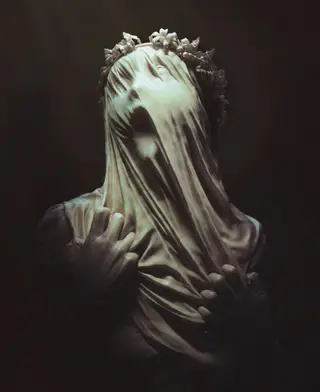
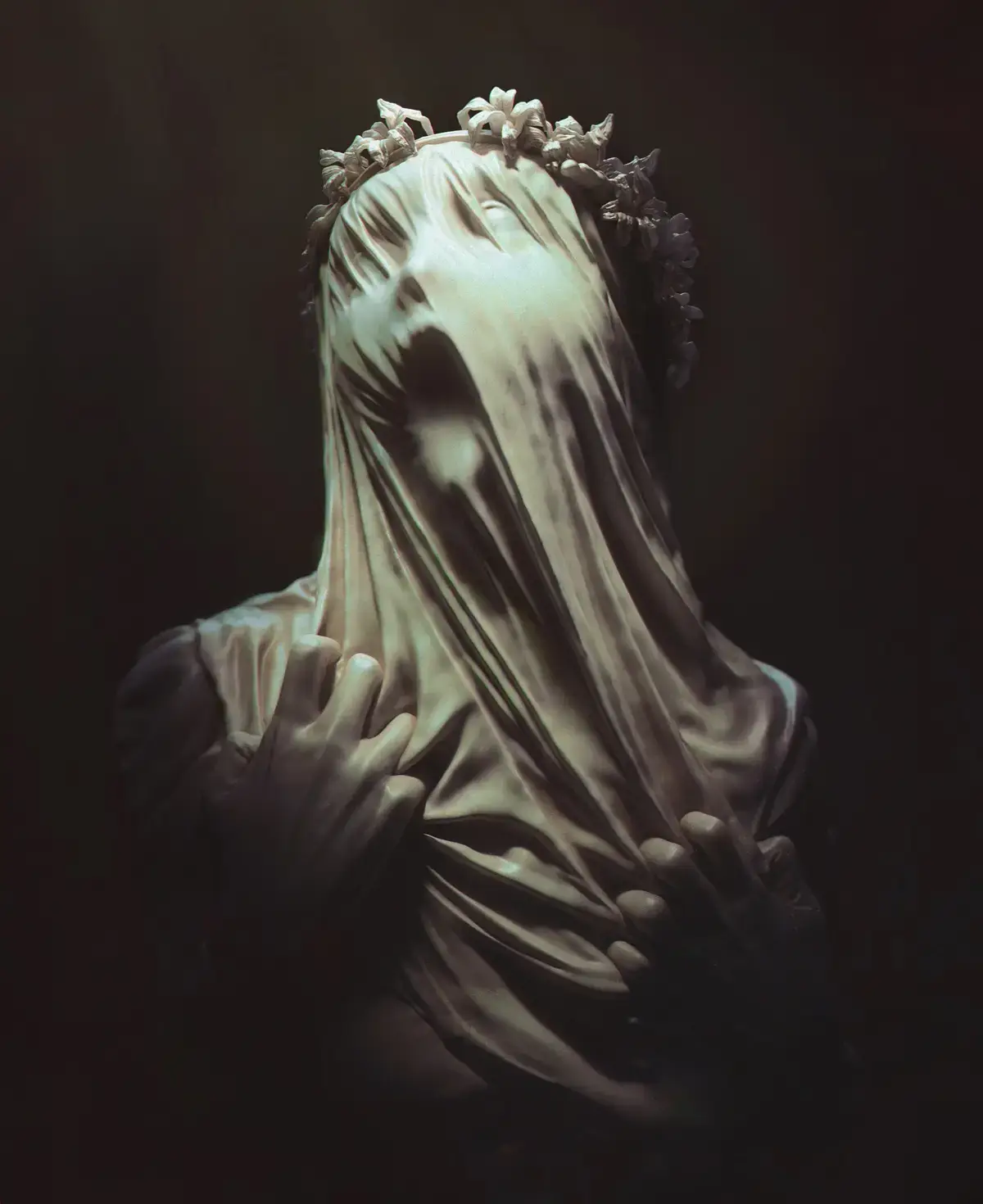
She is most often depicted as a young, radiant figure veiled in soft white or pale gold, her light gentle rather than blinding. In some traditions, she appears as a solemn woman whose eyes carry both sorrow and boundless compassion. Her holy symbol is typically a small, enclosed flame or a covered lantern, representing innocence sheltered against the storm.
An-Nura’s influence is found in acts of forgiveness, in the protection of the helpless, and in the quiet mercy shown where none is deserved. She does not speak loudly, nor command devotion through power, but inspires through presence, through the simple truth that kindness can exist even in the shadow of cruelty. Her champions are the “Keepers of the Light,” those who shield others not through strength alone, but through compassion, patience, and an unyielding refusal to become what they fight.
In myth, An-Nura was born of violence, daughter of Thul-Qadr and Al-Shafiya, her existence itself a scar upon the divine order. Yet where such a beginning might have birthed hatred, she instead became its opposite. Thul-Qadr’s shadow did not end with her birth; he sought to break her as he had others, and from that second violation came her son, Al-Hakim. Where the lineage of darkness should have deepened, An-Nura’s mercy endured, and through her suffering, she became the living contradiction of her father: proof that even from the deepest corruption, light may still survive.
She dwells in the Sanctum of the Veil, a quiet, hidden hall of pale stone and flowing water, where no voice may be raised, and no harm may be done. There, the wounded souls of the world are gathered and given rest, and the light she carries, though dim, never goes out.