Names: Nehet-U - Bakem
Alignment: Neutral Good
Province(s): Goddess of Healing and Medicine
Common Symbol: A bowl and reed, or a coiled serpent drinking from a cup

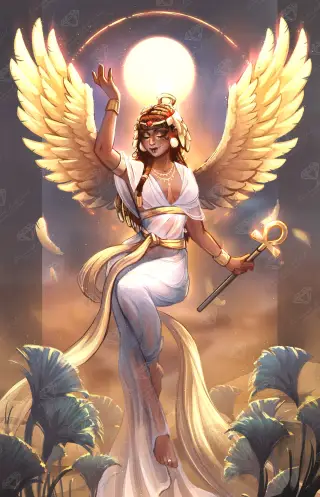
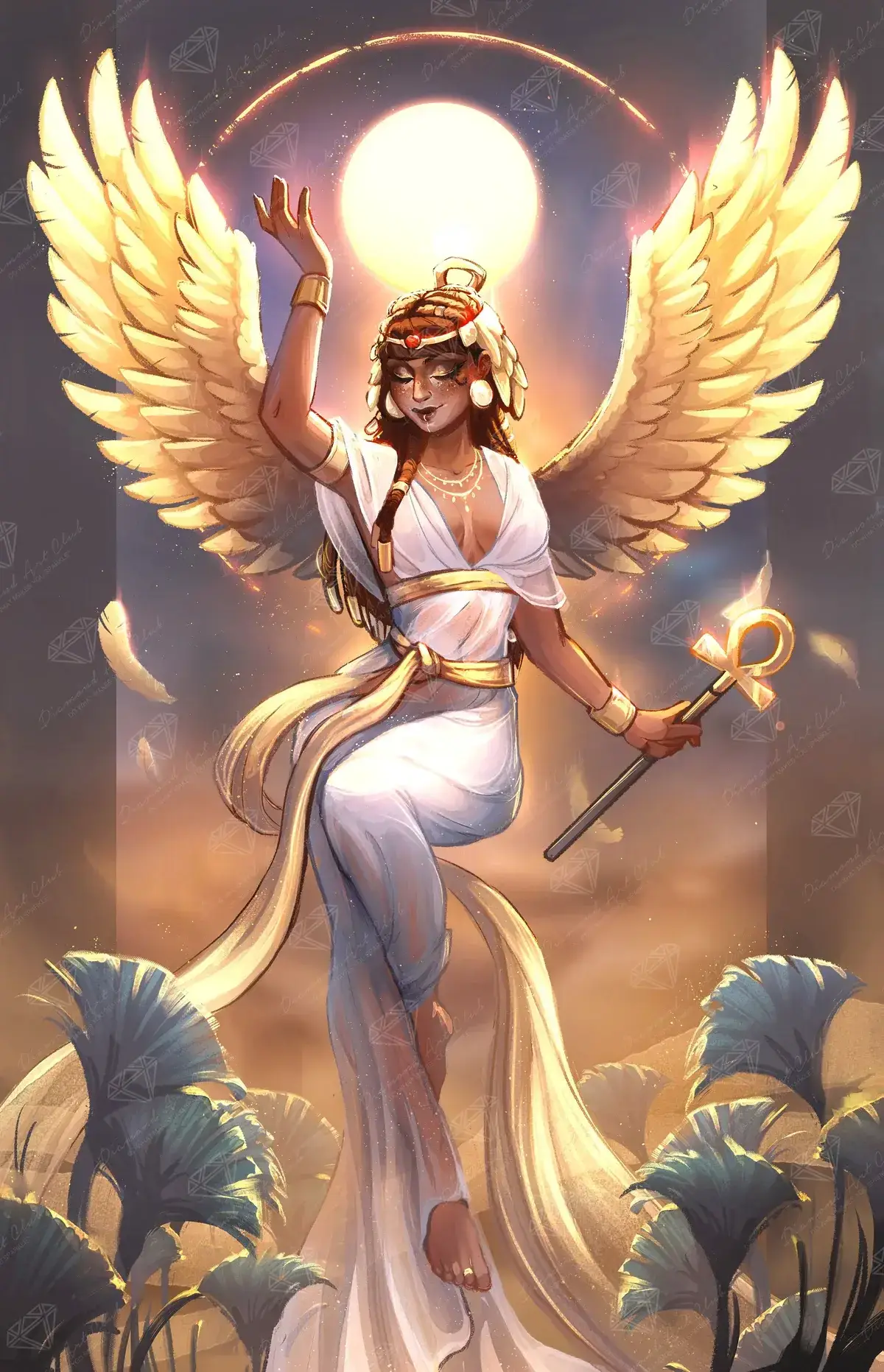
Al-Shafiya, known as Nehet-U to the Bakēm, is the goddess of healing, medicine, and the quiet restoration of life. She embodies the gentle defiance of death, the steady hand that binds wounds, the knowledge that turns poison into remedy, and the patience required to mend what has been broken. Where Malik-al-Maut is the stillness of the final breath, Al-Shafiya is the fragile return of it, the warmth that lingers and refuses to fade.
She is most often depicted as a calm, veiled figure robed in white, her hands stained not with blood, but with herbs and oils. In some traditions, she appears as a physician carrying a basin of clear water, or as a radiant woman whose touch causes flowers to bloom even in barren soil. Her holy symbol is typically a bowl and reed, or a coiled serpent drinking from a cup, worn by healers and carved into the walls of places of care.
Al-Shafiya’s influence is found in the tending of the sick, the brewing of medicines, and the small, unseen victories over suffering that pass without song or glory. She speaks softly, valuing compassion, knowledge, and restraint over pride or haste. Her champions are the “Restorers,” those who walk battlefields after the fighting ends, who choose to preserve life rather than take it, and who understand that healing is both an art and a burden.
In myth, Al-Shafiya stood in opposition to the corruption of Hēiyào, not through war, but through endurance. When plague and pestilence spread across Naplica, she did not strike the source, but instead taught mortals how to survive it, whispering the first remedies into the dreams of physicians and guiding their hands as they learned to heal. It is said that for every life Malik claims, Al-Shafiya contests it, and though she cannot win every struggle, she ensures that death is never unchallenged. She dwells in quiet halls of flowing water and fragrant gardens, where the wounded are brought in spirit, and where even the gods remember that life, once given, is always worth preserving.