
I’ve been a fan of Resident Evil ever since I played the 2019 remake of Resident Evil 2. As someone who generally prefers the older survival horror style entries to the modern action-orientated titles, the original Resident Evil movies - in all their lazer dodging, slow-mo bullet-cam glory - have never really appealed.
However, I was cautiously optimistic about this year’s Resident Evil (2026), largely because I’ve enjoyed director Zach Cregger’s previous horror films, Barbarian and Weapons, but, most importantly, because it would be starring an original character who is entirely ordinary. By following a more ordinary character who has been thrown into a terrible situation, the actual horror factor of Resident Evil is intensified ten-fold.
It’s safe to say that my instincts were correct with this one, because Resident Evil (2026) was a fantastic adaptation of the series and, most importantly, an excellent horror film. The best entries in the Resident Evil series maintain a careful balance of seriousness and silliness: mixing the genuine terror of feeling vulnerable in the face of overwhelming danger, with the ridiculousness of its grand corporate espionage plotlines and, sometimes, goofy monsters. The reason that Resident Evil (2026) works as both a great adaptation and horror film is because it knows how to balance horror and comedy as tools for the build and release of tension.
Tension is the most essential ingredient in any horror story. Building and releasing tension is what makes audiences experience fear, so knowing how and when to do so is important. It doesn’t matter if you include some of the most messed up stuff ever, if you want to run your own horror roleplaying game this Halloween, then you’ll need to understand how to do a good job managing tension.
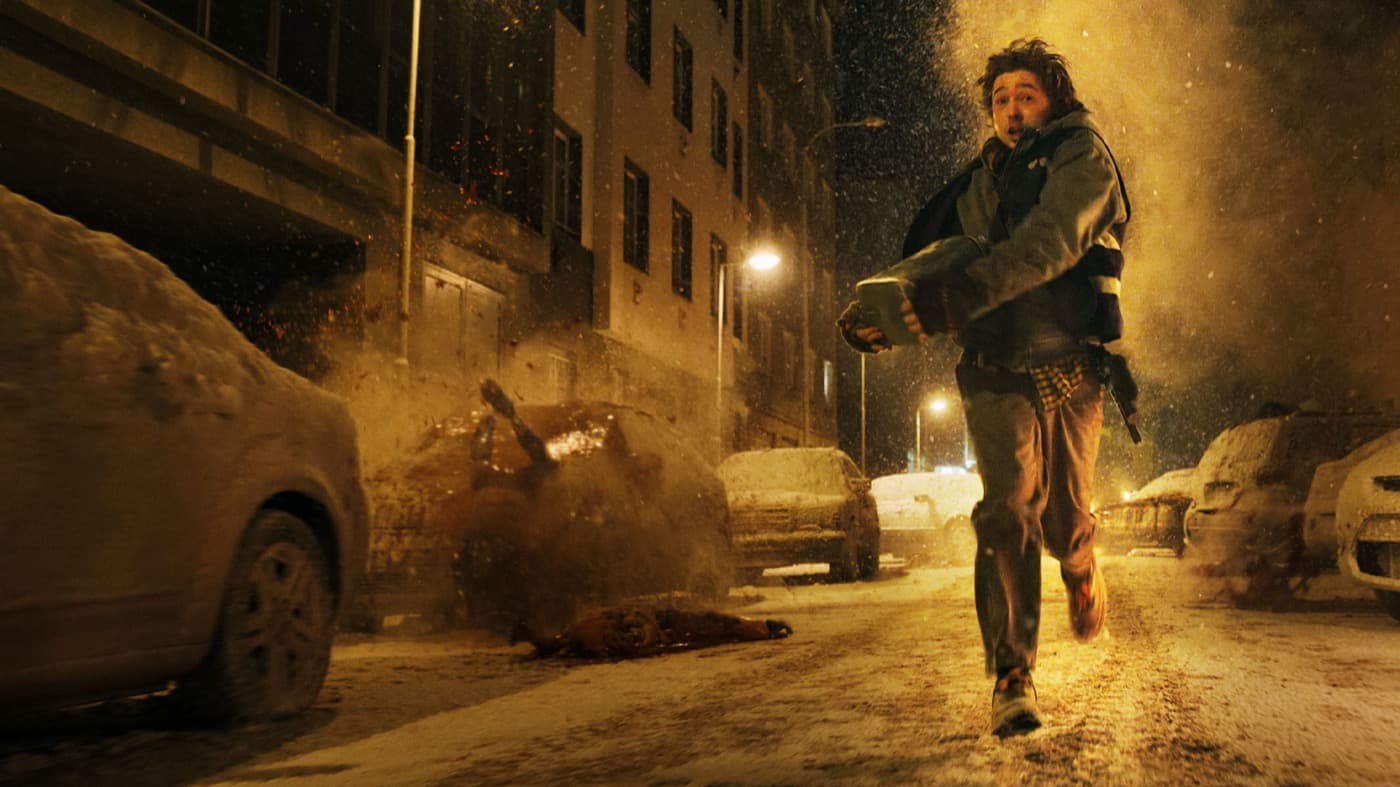
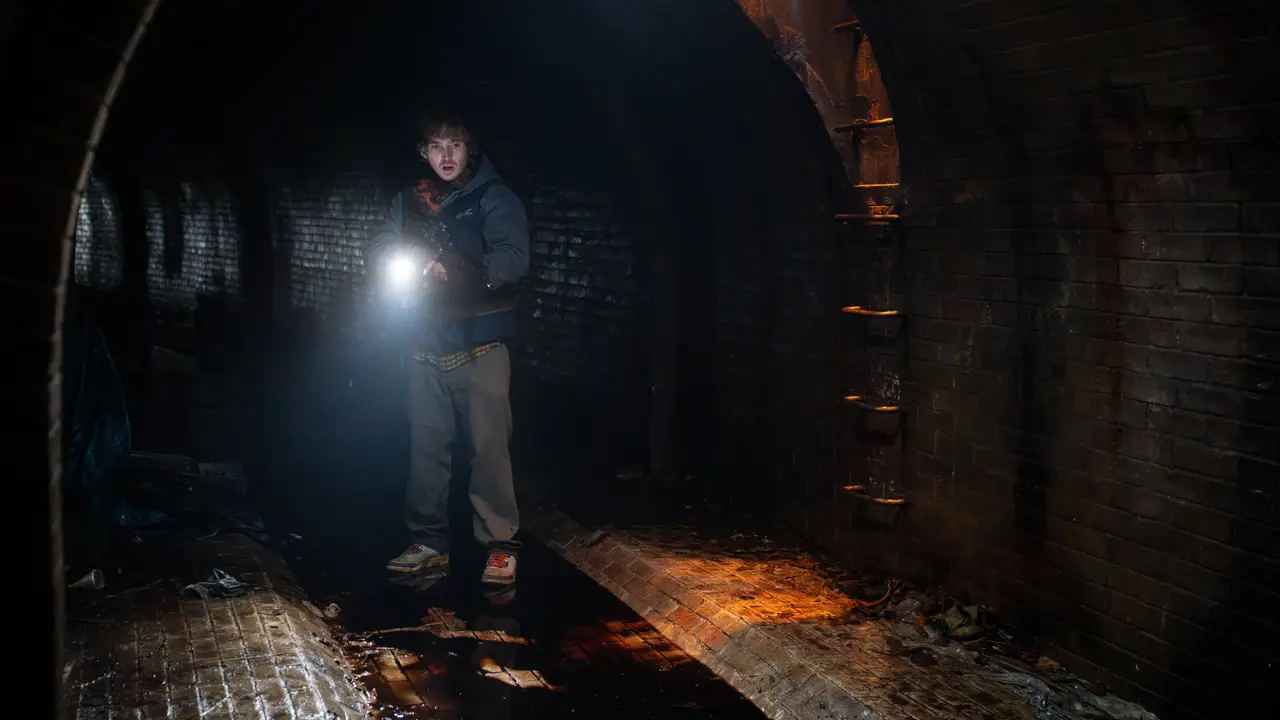
One of the ways that Resident Evil (2026) successfully handles the build and release of tension, is by carefully balancing the vulnerability of its main character, Bryan. At the start of the film, when Bryan encounters his first zombie he is entirely taken by surprise, whilst the audience - depending on how familiar they are with the source material - knows that something is wrong, thanks to elements like the ominous soundtrack and nervous cinematography. We follow Bryan as he unwittingly falls into a terrible situation, with the tension building as we anticipate the awaiting danger to strike. When it finally does, it feels like such a welcome - if terrifying - release. This release brings the tension dial down back to zero, allowing Creggar to begin turning it up once again.

Creggar does this by continuously introducing new and greater threats for Bryan to face - from one zombie, to several zombies, to a many-limbed monster, to an entire city’s worth of the undead. Every time Bryan manages to survive an encounter - thereby gaining an amount of confidence and experience - Creggar must then push Bryan back into vulnerability once again, in order to build up that necessary tension. The pacing of Resident Evil (2026) revolves entirely around Bryan’s mastery of this world, with the climax of the story occurring once the threats have become too insurmountable for Bryan to manage.
Another way that Resident Evil (2026) builds and releases tension is through the use of humour. Despite being a horror film, Resident Evil (2026) is surprisingly hilarious. Many of these comedic moments are derived from Bryan’s reaction to the horrifying things he witnesses around him, particularly as an extremely ordinary guy. It’s scary that Bryan has been put in this situation, but it’s also ridiculous. It’s ridiculous that Bryan, of all people, is having to deal with such heinous and dangerous creatures. Bryan also represents the player’s experience of playing a Resident Evil game, which includes feelings like frustration at the ludicrous number of locked doors they’ll encounter, or disbelief at the horrifying creatures they might stumble upon. Getting your audience to laugh is definitely one way to provide a release to all that tension you’re building.
When it comes to running your own horror roleplaying story, Resident Evil (2026) has some valuable lessons to teach. How do you ensure your players keep returning to that necessary space of vulnerability that good horror requires, even as they gain more confidence and experience in the world you’ve created? Consider how Creggar utilizes pacing in Resident Evil (2026) - build up tension by putting your players in situations where they’re on the back foot - whether because of a lack of knowledge or power - give them the freedom to tackle these situations however they might, let them have their moments of victory, then drag them back down into vulnerability once again.
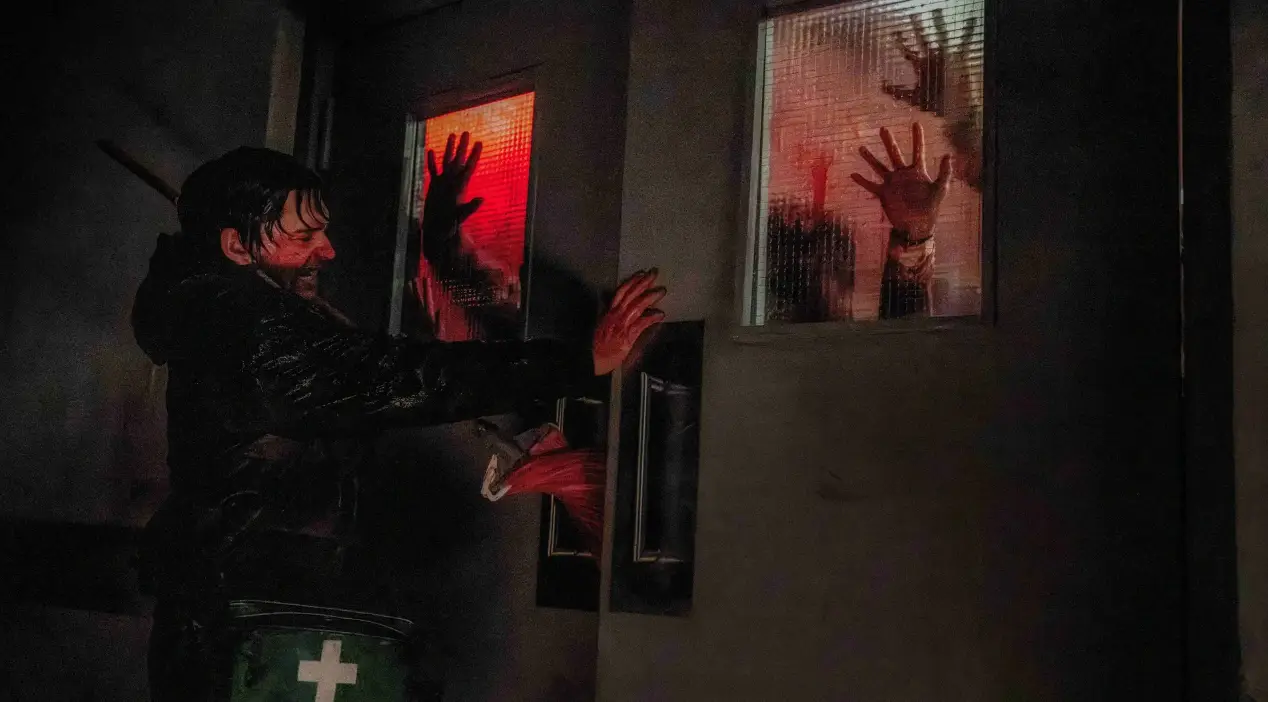
Drop players into a scenario that confuses and shocks them; an NPC suddenly transforms into a horrifying monster; an enormous wave of rats bursts through the wall; a body rises from the floor behind the players and steps towards them. Let them handle this, give them a break to settle down, build up tension, then push them into uncertainty and vulnerability once again with a new, greater horror. Think of how you can escalate things throughout the story, gradually turning up the bonkers dial, without making your players feel too much too often, until it reaches its peak and has nowhere else to go. Add a sprinkling of comedy to give your players a few moments of release without desensitizing them with constant horror, and you’ve got yourself a thrilling horror story. And if you haven’t seen it yet, I thoroughly recommend you watch Resident Evil (2026).