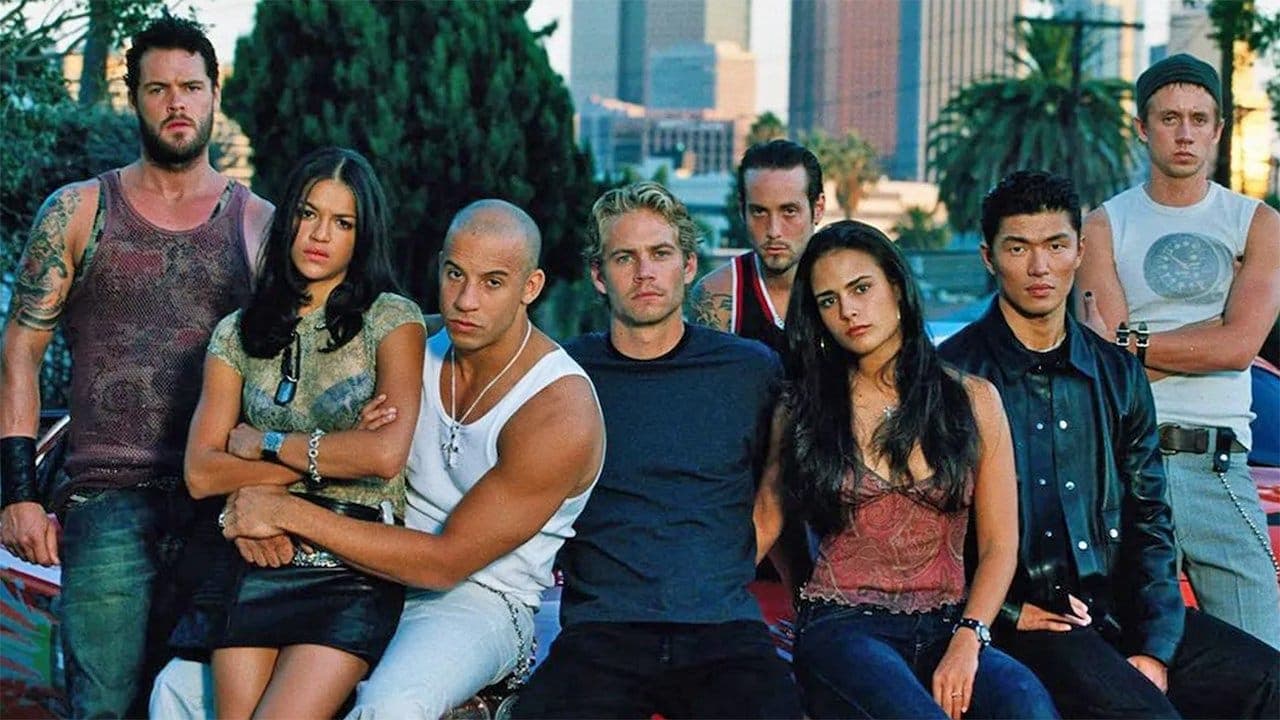
Recently, I’ve been watching through the entire Fast and Furious film franchise for the very first time, having only previously seen the first couple of entries.
If you’re not familiar with F&F, it’s a series that began as a love letter to the car and racing subcultures of the early 2000s, but has since transformed into a massive blockbuster franchise in a similar vein to the Mission Impossible series. Think ridiculous, CGI-heavy action sequences involving cars leaping over explosions, and far too much international espionage for any crew of car enthusiasts to be involved with.
The watching experience has definitely been a rollercoaster when it comes to quality, though no single movie has been better than a 6/10, and some have been just downright terrible (I’m looking at you The Fate of the Furious). However, the Fast and Furious franchise could have a thing or two to teach aspiring storytellers who love action.
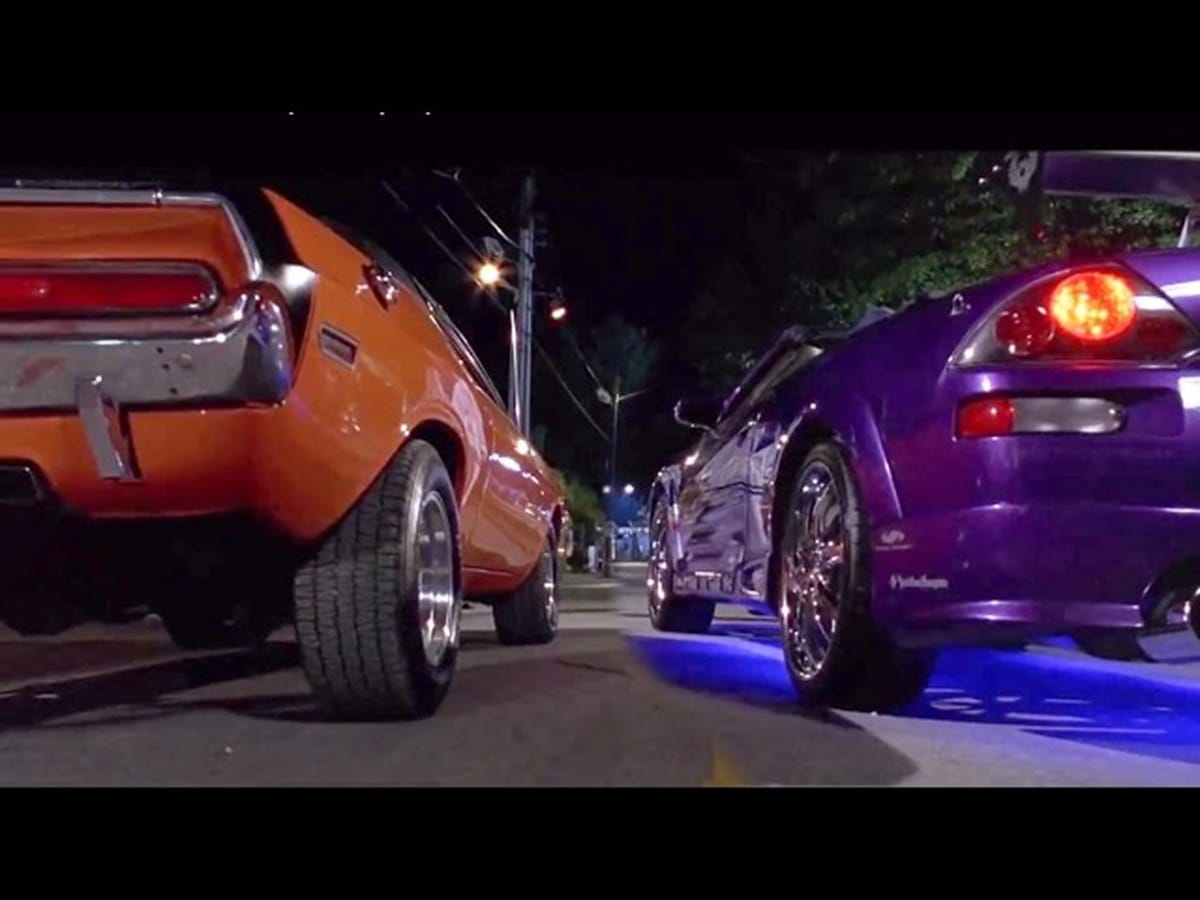
For all their many, many, faults, the Fast and Furious films have some great chases and action set pieces in them. Some examples include Brian and Roman racing to earn spots in Verone’s crew in 2 Fast 2 Furious, Dom and Brian taking down Fenix in Fast and Furious (2009), and the crew using a vault as a literal weapon to smash enemy cars at the end of Fast Five.
Obviously, a large part of what makes these sequences work is movie magic - editing, cinematography, stunt drivers, etc… These are elements you can’t exactly replicate in a roleplaying campaign. However, there are some very useful techniques for game masters to look for when planning and running their own action-packed campaigns
Provide clear motivations and goals
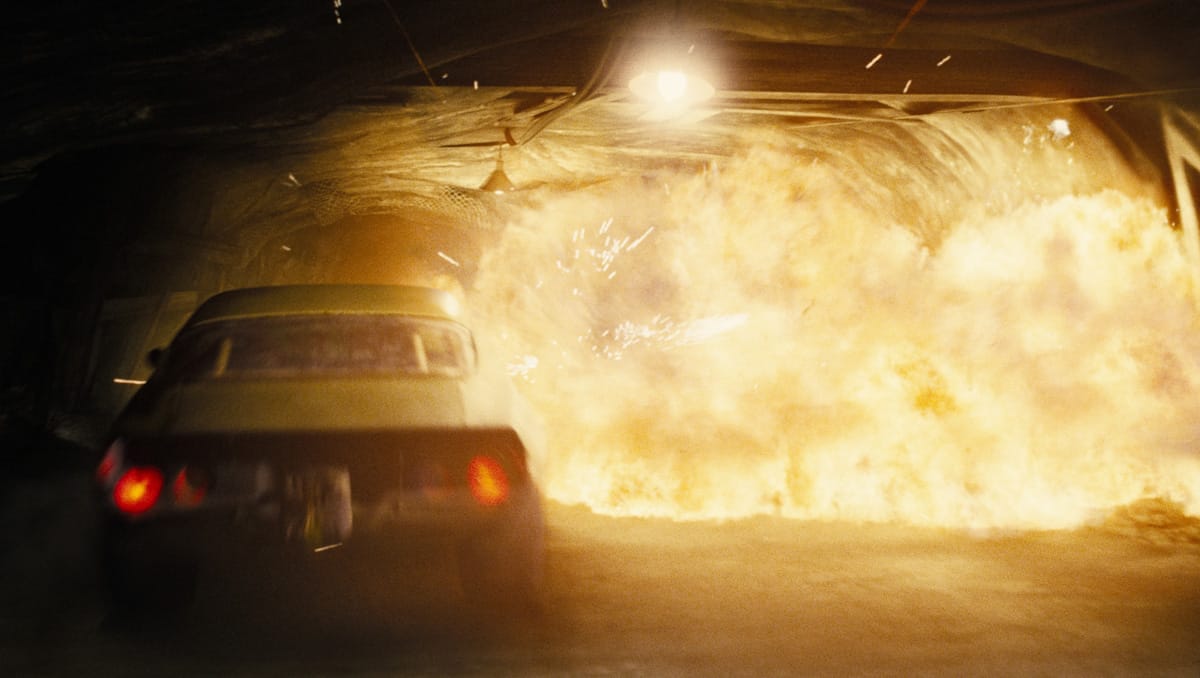
Any good chase or action scene requires the audience to understand the characters’ motivations, so that they can focus entirely on the action itself. For example, in the car chase between Dom, Brian and Fenix in Fast and Furious (2009), thanks to previous scenes, we know that Dom and Brian want to bring the crime lord Baga over the border into US jurisdiction, whilst Fenix and his allies want to kill our boys to reclaim their boss. This means we don’t have to think about why Brian is trying to reach the US border with Braga ahead of his henchmen, but whether he will make it out of the tunnels alive.
As such, you should give your players clear goals to reach for when playing through your chase and action set pieces: escape the angry mob before they reach you, stop the kidnapper before they reach the border, evacuate the town before the dragon arrives, etc… Doing this will allow them to focus on how to achieve their goal, rather than what they should be doing in the first place. An action or chase segment shouldn’t involve careful consideration or moral dilemmas for players to pause and untangle. But rather, fast and decisive actions made in the heat of the moment, with adrenaline pumping through their veins.
Don’t let the pace drop
The action and chase scenes in the F&F franchise are fast paced affairs, often culminating in one, epic final stunt to cap things off.
Take the sequence in Fast and Furious 6, wherein Dom and the gang are attempting to take down a tank, being driven by the film’s antagonist, Owen Shaw. This scene begins with Shaw and co driving an armored trunk, before they burst out the smouldering remains of the vehicle in an enormous tank, and start firing on Dom and the gang. After a lot of cars have been crushed and blown up, the sequence ends in Dom leaping off the top of his moving car to catch Lettie, as she flies off the now destroyed tank and over a steep drop.
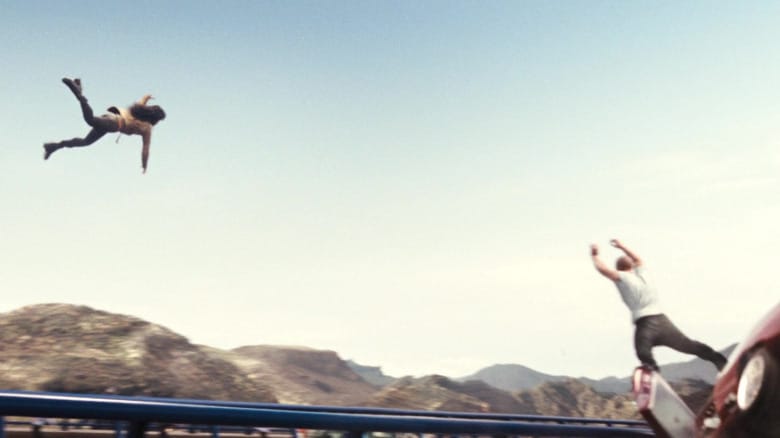
This action scene is an example of F&F ramping up the pacing by injecting the story with subsequent increases in intensity: armored trunk, to enormous tank, to crushed cars and explosions, and ending in an epic leap. Doing this keeps the audience invested in the scene the entire time, keeping their attention by adding new elements and increasing the level of danger throughout, before paying off all that build up with a big release of tension.
Doing this in your own action-packed campaigns means utilizing new elements and increases in danger, wherever you feel like they’re needed. You don’t want to shove in the ‘enormous tank’ style reveal right away, but build up to it. Imagine your player group has just pulled off a royal heist, but they take a wrong turn on the way out and find themselves staring into a barracks filled with guards. As they take off running down the halls, more and more guards join the pursuit. They make it outside, but they see the drawbridge gradually being pulled up. They make it over that, but then run right into the path of the king’s beloved, 10 ft hydra rearing up to launch its fiery breath. Always be keeping them on their toes, right up until the end.
Make people care about the action
Truly getting drawn into the action requires the audience to actually care about the characters involved and the consequences of failure. This is something that the F&F franchise sometimes does, with its core theme of family being everything, but often stumbles - particularly as the more recent entries cram in more forgettable characters and ridiculously bloated plots.
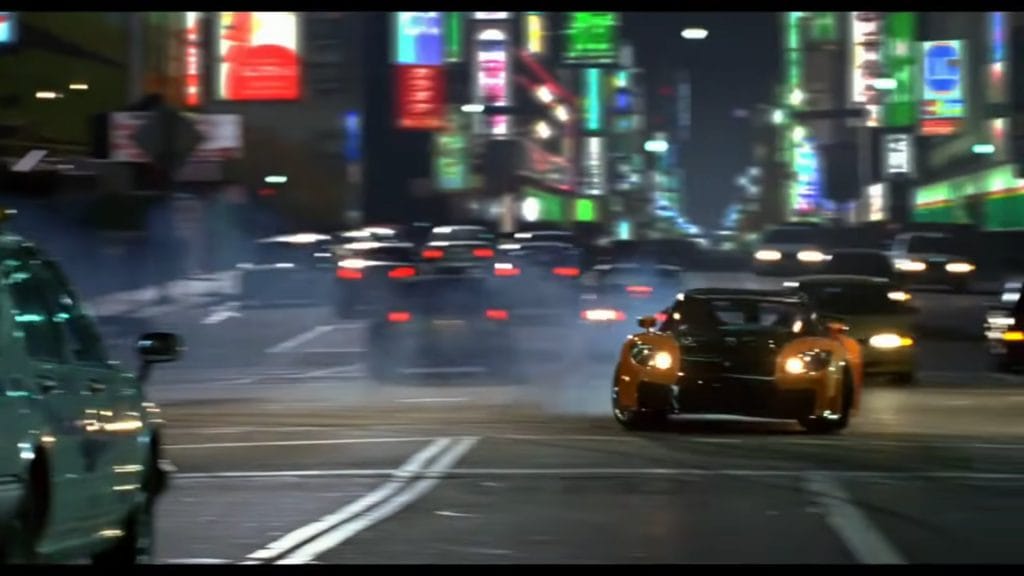
An example of the Fast and Furious films doing this well is in The Fast and the Furious: Tokyo Drift, when the characters Sean and Han are attempting to escape DK and his cronies on the streets of Tokyo. The viewer comes to care about Han - I care less for Sean - which is why the various near-misses, and eventual fatal crash, feel so intense to watch. It’s because the audience has grown to care for this chill, supportive dude, who is now in mortal peril.
Nailing this element of your action and chase scenes requires a decent amount of setup beforehand, as the players need to have something to care about losing.This could be their own characters - though the effectiveness of this still depends on the severity of this threat and their level of attachment - or a non-player character they’ve grown close to, or maybe even an entire location filled with characters they’ve fallen in love with. Alternatively, you could go down the route of a serious set-back in their overall campaign quest being on the line. Whatever it is, you need something to help motivate players to be emotionally invested in the action scene, and driven to give it their all.