
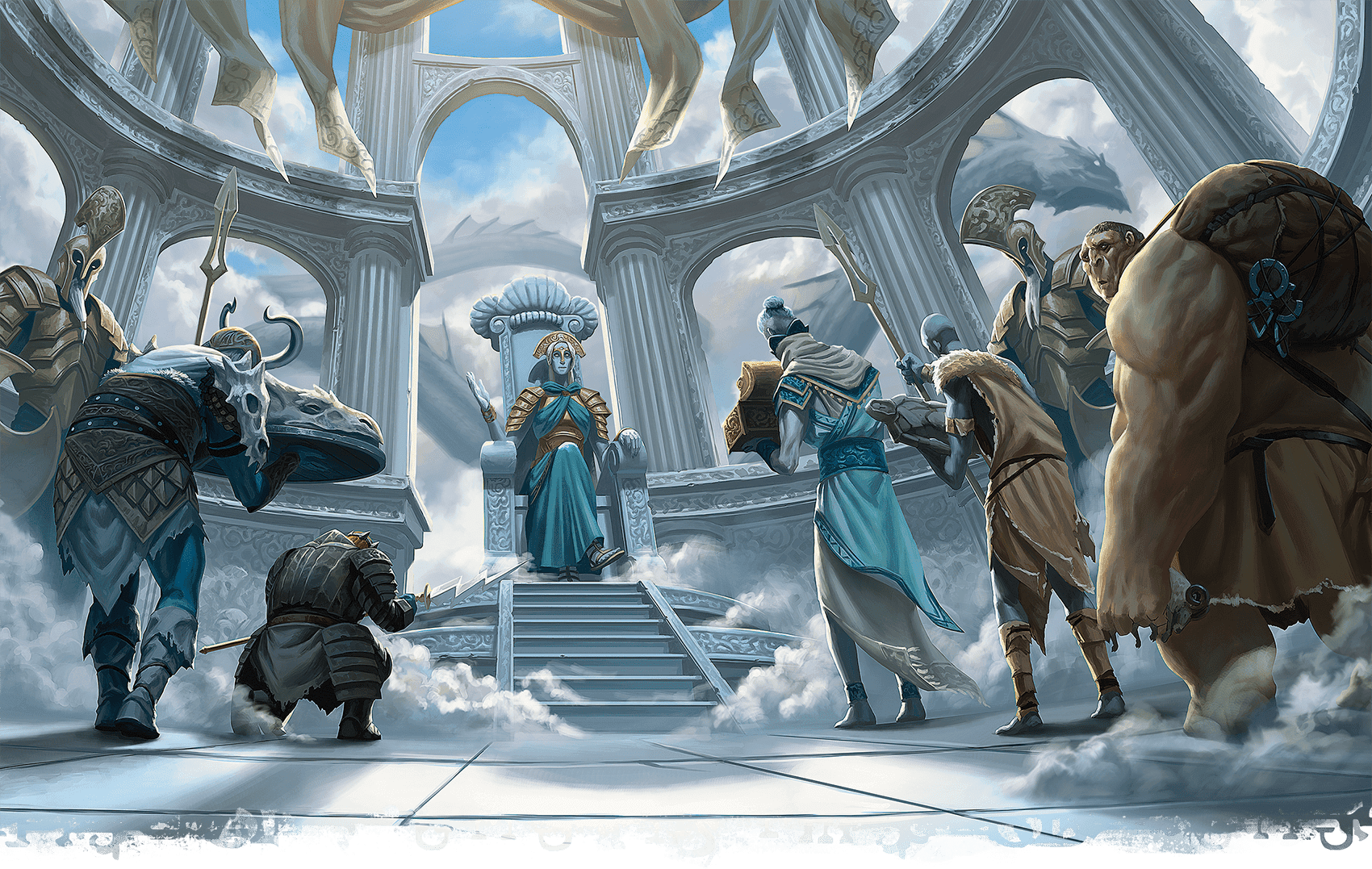
Religions are one of the trickiest worldbuilding elements to create. This is largely thanks to the fact it’s far too easy to make a fantasy religion that feels simplistic - either as an oppressive and evil bigoted force, a monolithic group wherein everyone believes exactly the same things, or a purely aesthetic element with no depth. A fictional religion needs to be built for purpose, it needs to be clear to people as to how this religion came about and why people choose to follow it. A shallow religion won’t do this.
Religions shouldn’t just exist in your fantasy world for the sake of being there, they should be complex enough to be a catalyst for rich storytelling. They need to be something that your audience wants to engage with, which you won’t get with a placeholder religion. Here’s how you create a good religion for your world.
Decide why your religion was founded
One of the most common mistakes worldbuilders make when creating their religion, is to immediately focus on the mythological lore and pantheon, rather than the human history behind its creation story. Even when the gods and demi-gods of your religion have had a direct impact on the origin story of your religion, it’s important to establish the events that led an entire part of your society to devote themselves to these beliefs and way of life.
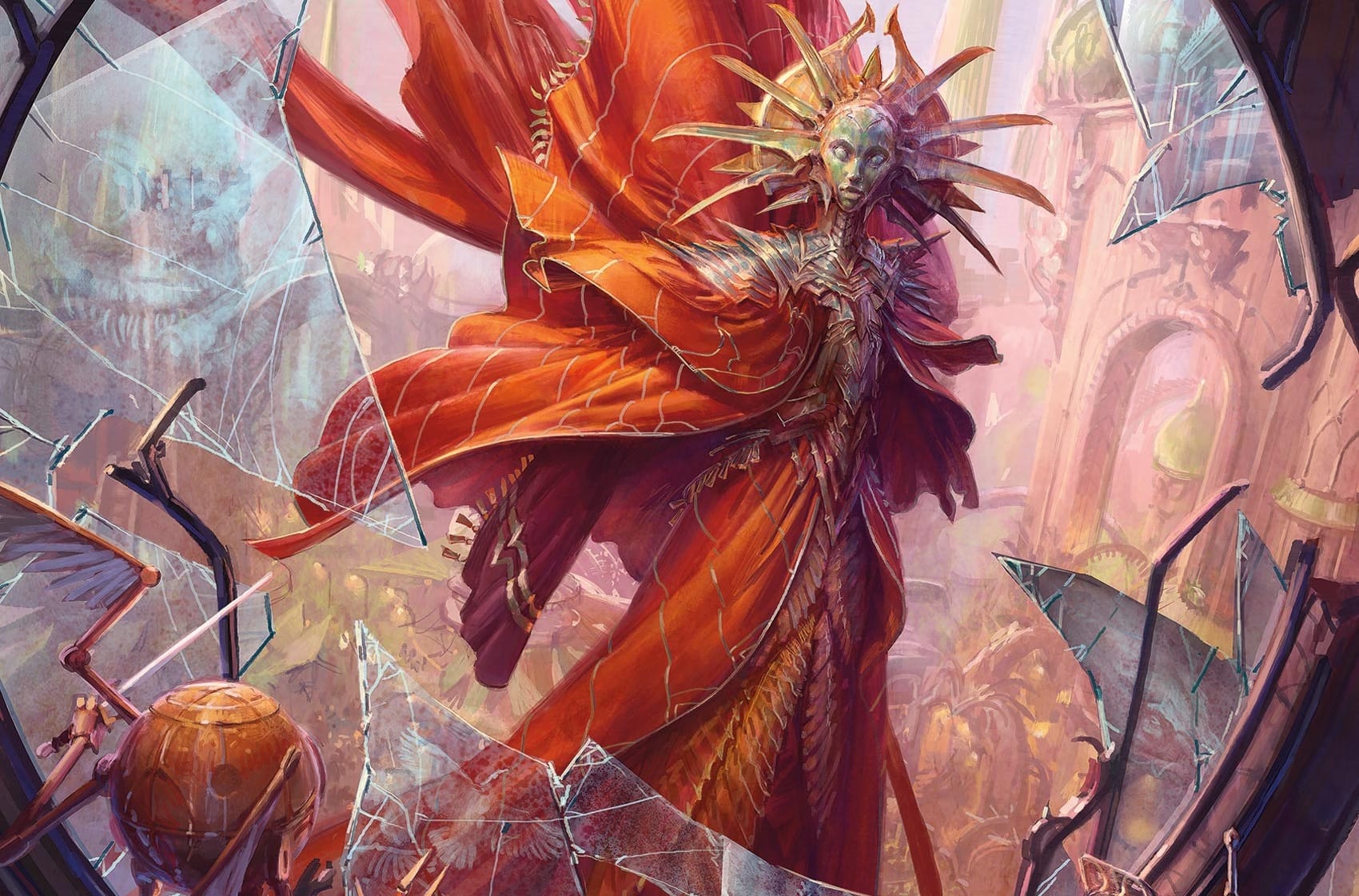
Perhaps that part of civilization experienced a terrible tragedy, and chose to use religion as a way of understanding what happened. Or maybe your fictional religion was formed as a response to people seeking an explanation to various natural phenomena. The formation of a religion could even be a very deliberate move by a person or organization, to attempt to control the narrative of an event by claiming it was an act of divinity.
Approach the creation of your religion from a historical perspective first, before diving into the specifics of which deity did what, by creating a timeline of events leading up to its founding (which you can do with LegendKeeper). These events can then help to shape the specifics of your religion - the core tenants of belief, the mythology and parables, the organizational structures, and what followers do next.
Create a collection of religious rituals
An essential aspect to any believable religion are its rituals - acts that followers perform to affirm and practice their faith. A religion can’t just be a collection of ideas, it also needs to be actionable. The way many of us discover and experience a religion for the first time is by either performing or witnessing a ritual.
Hearing the call for prayer outside a mosque, seeing someone wearing a Kippa, or drinking wine from a communal cup - these are some of the rituals that inform us that the people performing them are following a religion. Though these rituals can sometimes spill over into the general culture of a place - not everyone doing Yoga is a Hindu, and plenty of secular people put up Christmas trees - they still provide an insight into the religions they originate from.
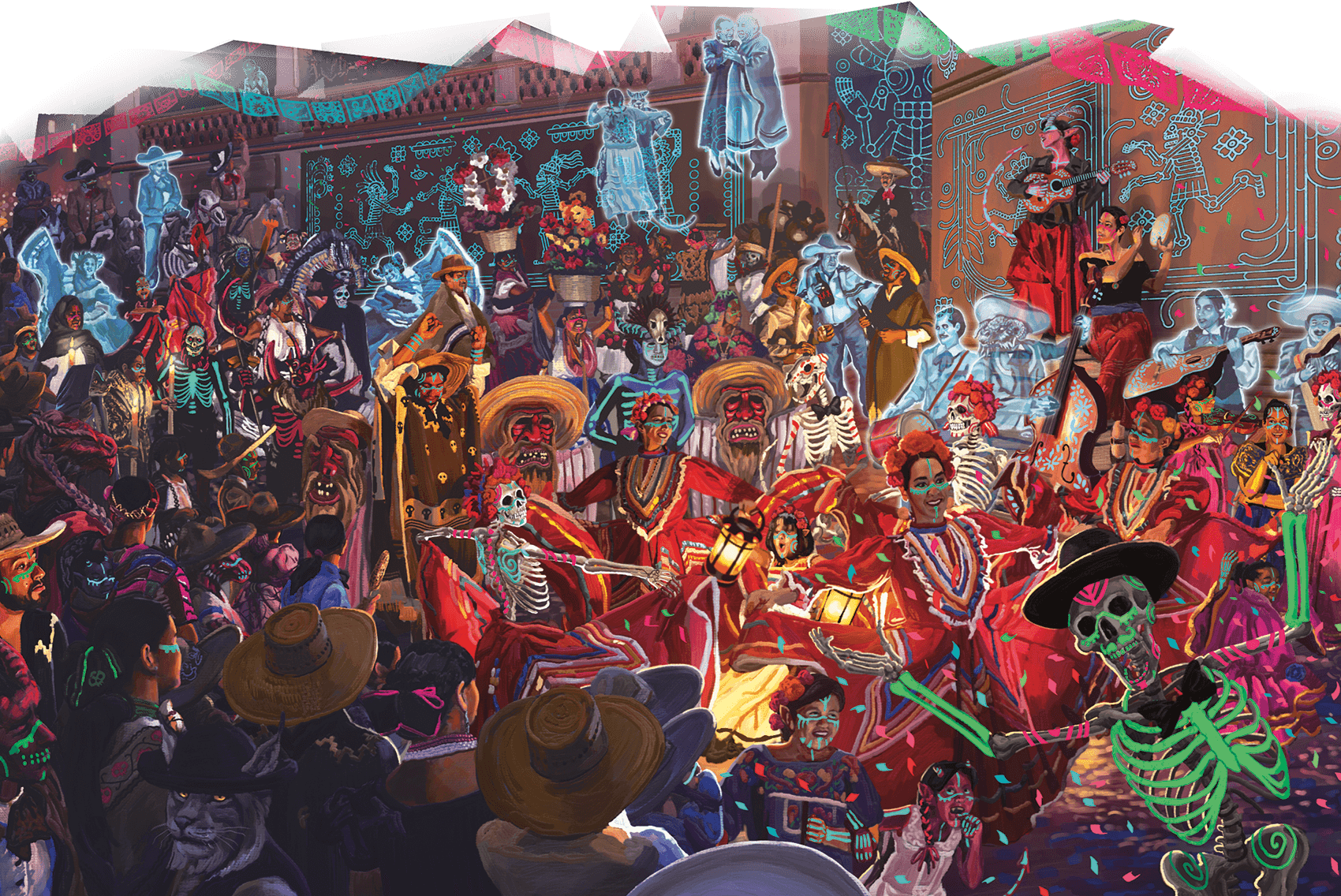
Think about what rituals the followers of your fictional religion perform, and how they might inform its beliefs and nature. Maybe followers practice ritual slaughter, in order to fulfill their beliefs that everything requires a sacrifice. Or followers engage in military displays, thereby informing their chosen religion’s thesis around discipline and strength. By not eating certain foods or drinking certain things, your followers could be affirming their dedication to bodily health and sanctity.
Crafting rituals can give you and your audience a clearer idea of what this religion represents, and how it actually works within the world you’ve created.
Figure out who follows your religion and why
While the history behind the founding of your religion informs its past, you also have to consider the current state of your religion. Who follows your fictional religion now and why?
It could be that your religion has a particularly tight hold over the politics and/or culture of certain nations, so people follow it out of obligation or even fear. Or maybe religion is passed down between different generations of family. You might need to follow this religion in order to join certain organizations or hold power within society.
Alternatively, followers could choose a religion because it offers community to those who are lonely, or a strong purpose to people who are frustrated by their lot in life. Perhaps followers are practicing in the hopes of reaching a promised paradise in the afterlife, or out of fear of falling into a potential hell. Maybe followers have joined out of a desire to feel morally superior about their worldview, or to find like-minded people to ally with to enact change.
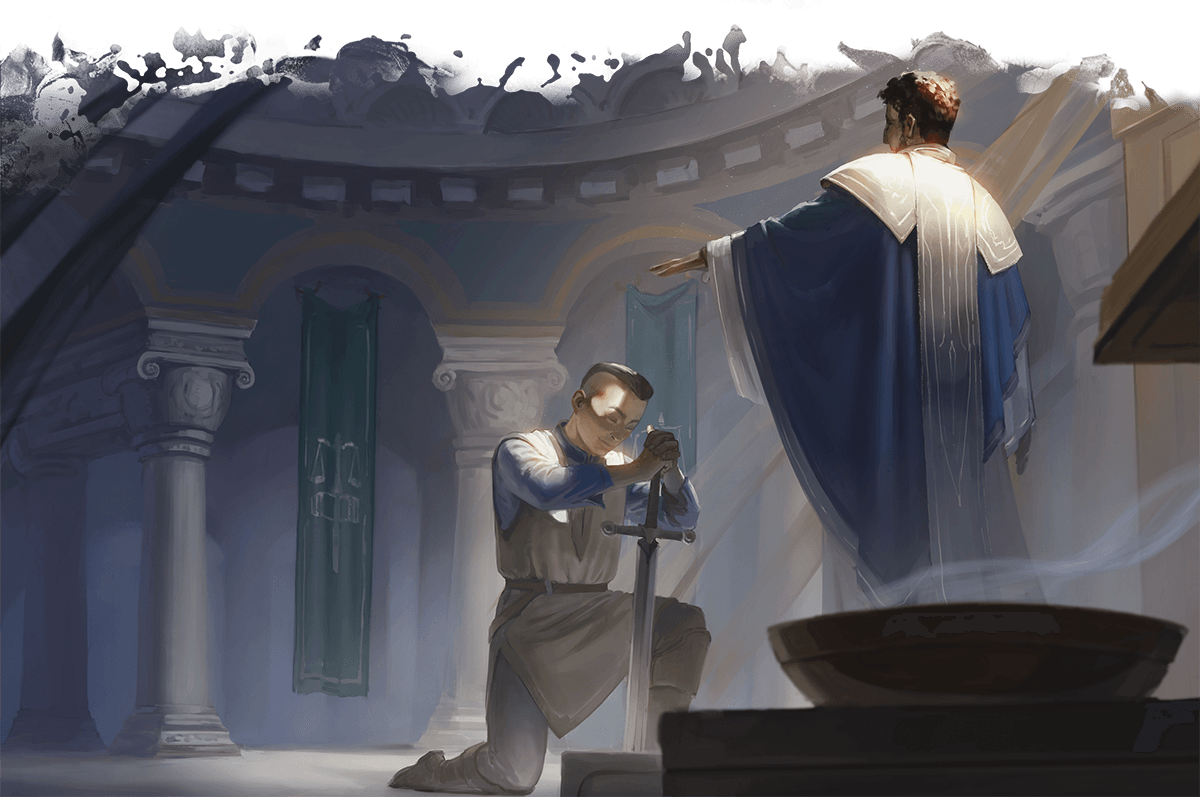
There could (and should) be multiple reasons for why people follow your religion - these will depend upon the people, the tenets of the religion, and the world itself. Create a handful of profiles for both groups and individuals that follow your religion, being sure to include the reasons why they’ve devoted themselves to these beliefs.
What impact has your religion had on your world?
It’s important to consider the impact that your religion has had, and might have, on your world. Is it state mandated to practice this fictional religion, or are people free to follow a different faith or remain secular? Maybe your religion has had a serious cultural influence on a nation or nations, thereby helping to form the social ethics and moral code of how people live. Or perhaps your religion has been integrated into the governing body of a country/ or countries, thus forming a theocracy whereby the head of the religious organization is also the nation’s ruler.
Are non-believers persecuted by followers/the religious organization/the state? Has your religion clashed with other religions? Are their off-shoots within your religion: different denominations that have split due to ideological differences or disagreements in how to practice the religion? Could entirely new religions have formed from these disagreements.
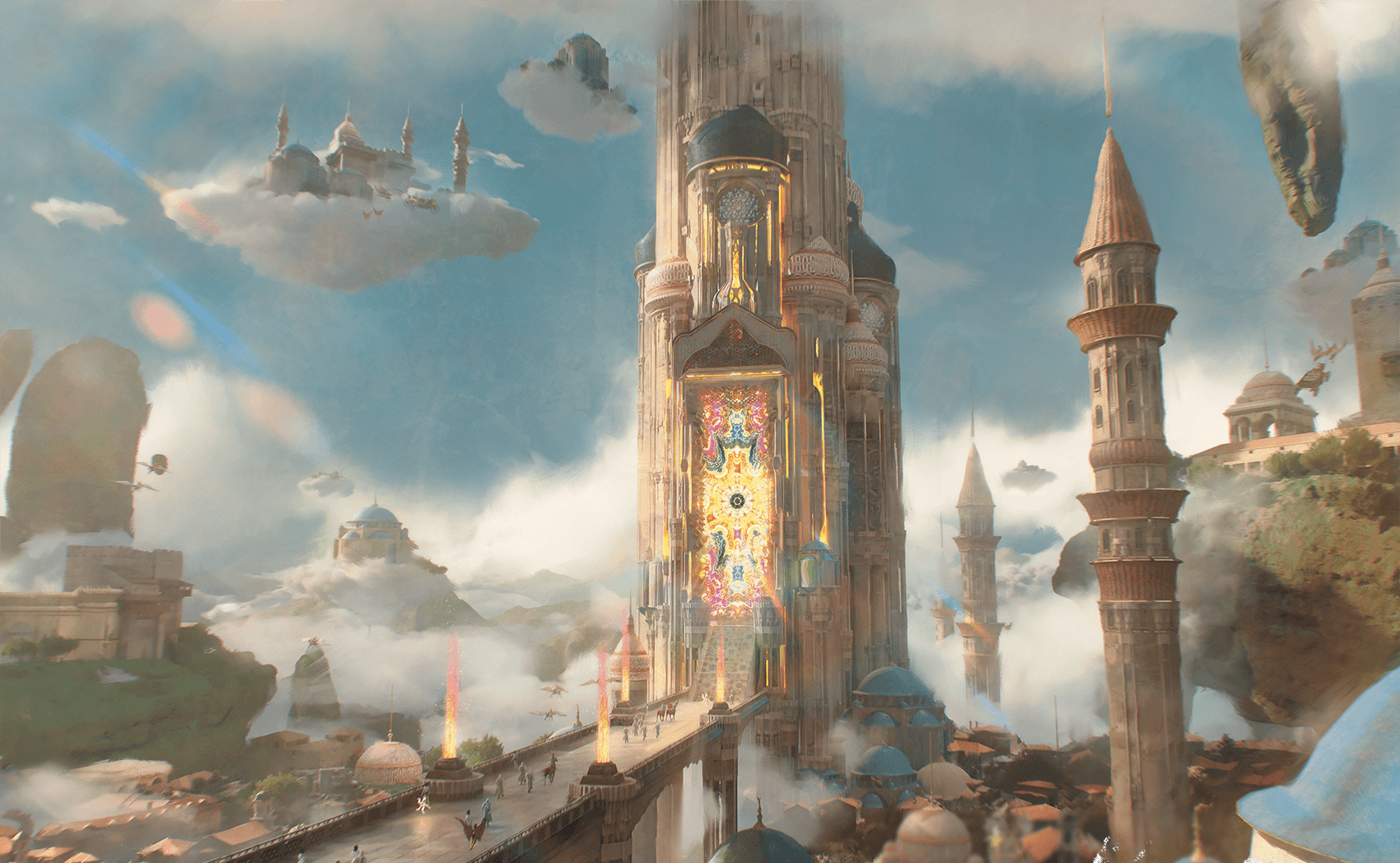
Religions can be a prime source for drama, and the impact they have on your world and its characters should be visible - both positively and negatively. For every person who has been ostracized for not being a follower, there should be another who has found essential community and comfort by becoming one.
Devise some examples of how your religion has impacted your world and its people: whether you include their territories and the sights of religious conflict on your map, include important religious holidays on your world calendar, or create an essential character whose life has been shaped in some way by this religion.
Let’s create our own religion…
How do you approach the initial stages of creating a religion? Here’s an example of one way you could begin making a religion for your world:
Decide upfront whether your god/gods actually exist:
There is a longer answer to this question, especially if your gods have chosen to remain unknown. In the case of this example religion, the answer is no.
How was the example religion formed?:
Around a century ago, a civilization began conquering neighboring countries to form their own vast empire. In an effort to assimilate the people of these nations into their culture - and to squash continuing civilian resistance - an obscure religion practiced by a handful of smaller communities found in rural towns within the empire’s original nation, was chosen by the empire’s leader to become their central belief system. This belief system was then altered appropriately, adopted by the empire’s leading council, before being rolled across the originating nation and beyond.
What are the core beliefs of this religion?:
Embracing humility and putting aside your own wants for the good of everyone. Followers are encouraged to think positively, to avoid conflict, and endure hardship for the sake of collective peace. Fulfilling these goals will give followers a place in the Great Plan that governs the empire, joining them together and binding them to the Great Mother.

Who are the key figures of this religion?:
The central figure of this religion is the Great Mother - a gentle, maternal figure who embodies every ideal of the religion; humility; endurance; cooperation; and selflessness. To non-believers, the Great Mother is a smothering, overly pious figure of female suffering, who spreads a message of toxic positivity that encourages people to sit down, shut up, and accept colonization.
The Great Mother is featured across many elements of the religion including prayers; songs; iconography; shrines; and parables. Her story hinges on enduring a great suffering, before finding peace and wishing to spread that amongst her children (her followers).
Each major temple of the religion is headed by a representative of the Great Mother, acting as a mortal version to lead prayers and services. This representative is tasked with monitoring their flock, and keeping an eye on anyone who might not be adhering themselves enough to the ideals of the religion.
Every representative reports to a general council that oversees running the religion on an imperial scale, as well as working alongside the imperial rulers to maintain peace and order.
What rituals do followers perform?:
All prayers, songs, and rituals are to be performed with the clergy in the local temple, as personal worship is frowned upon. People gather in their temple to engage in collective prayers and songs, as well as listen to sermons led by their Great Mother representative.
Followers are also encouraged to share any moments of anger or selfishness that they may have recently experienced with their Great Mother representative, within a private setting that promises anonymity (though the GM representative is required to share any relevant information with the religious council).
Other rituals include a ceremony wherein everyone pins tokens to a cloak worn by the Great Mother representative, and another ritual wherein the congregation is encouraged to engage in moments of group embracing, hand-holding, and collective wailing (intended to release any negative feelings and thoughts).
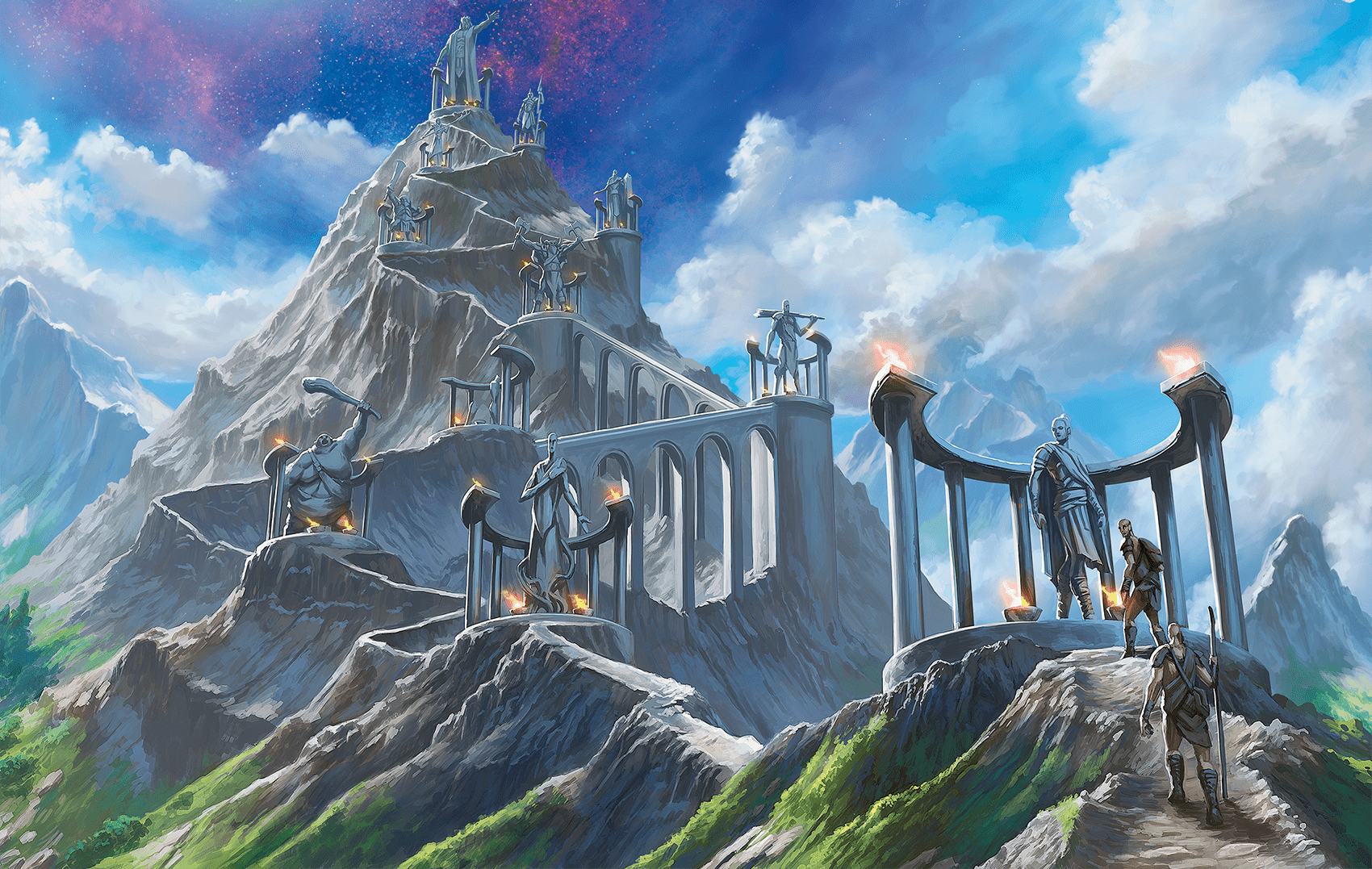
What impact has this religion had on the world?:
The colonial manner in which this religion was formed and continues to be managed, has had a major impact on the world. The religion was designed to aggressively assimilate any nations colonized into the empire by making resistance, discontent, and rebellion a cultural taboo. By pushing this religion across the empire and integrating it so deeply into the collective state culture, it’s led any non-believers to feel like social outcasts and even political pariahs. The religion is also run by a council that is deeply intertwined with the imperial rulers, who regularly use the organization to discourage dissent and spy on its civilians.
A splinter group has also split off from the main religion, after followers of its original version - before it was co-opted by the empire - wanted to distance themselves. This splinter group follows a version of the Great Mother who is meant to represent all aspects of the human experience, embodying many different feelings like joy; pleasure; anger; and sadness.
Followers of this religion are permitted to worship alone, as well as part of a group, and embrace community by supporting each other through action (like opening their homes to the unhoused and feeding hungry children). This splinter group continues to be socially ostracized and even physically attacked by the religious council and imperial rulers, who see them as a threat to their cultural hold over the empire.