
I, like many others, saw the breakout horror movie Obsession in the cinemas this month. As a sicko who actively seeks out the most anxiety-inducing films possible, Obsession really hit the spot - it’s a wonderful combination of disturbing, heart-racing, and depressing. All-in-all a great time.
Though I won’t be spoiling anything specific about Obsession, I did want to use it as a jumping-off point to discuss an important roleplaying-adjacent topic: consequences.
In Obsession, our protagonist, Bear, makes a terrible wish that thoroughly ruins his life, as well as the lives of everyone around him. However, it’s not really the wish itself that causes the most harm, it’s the series of incredibly selfish and stupid decisions he makes after-the-fact that really screws everything up. By prioritizing himself over others, Bear makes an already bad situation that much worse, with the consequences of his actions crumbling on top of him like an avalanche.
Being a games master is a lot like improv comedy - you and your players are collaborating together in a game of ‘yes and…’ that’s designed to keep the story flowing and everyone engaged. However, sometimes ‘yes and…’ doesn’t necessarily mean players get to do whatever they want as long as they pass a challenge roll. Sometimes, ‘yes and…’ means reacting to your players’ actions in a way that’s reflective of the world you’ve built/are playing and the kind of game you want to play. Sometimes, ‘yes and…’ means forcing your players to confront the consequences of their actions, no matter the initial intention.
But how can you inject real consequences into your TTRPG campaign or scenario? How can you craft a world where choices mean something?
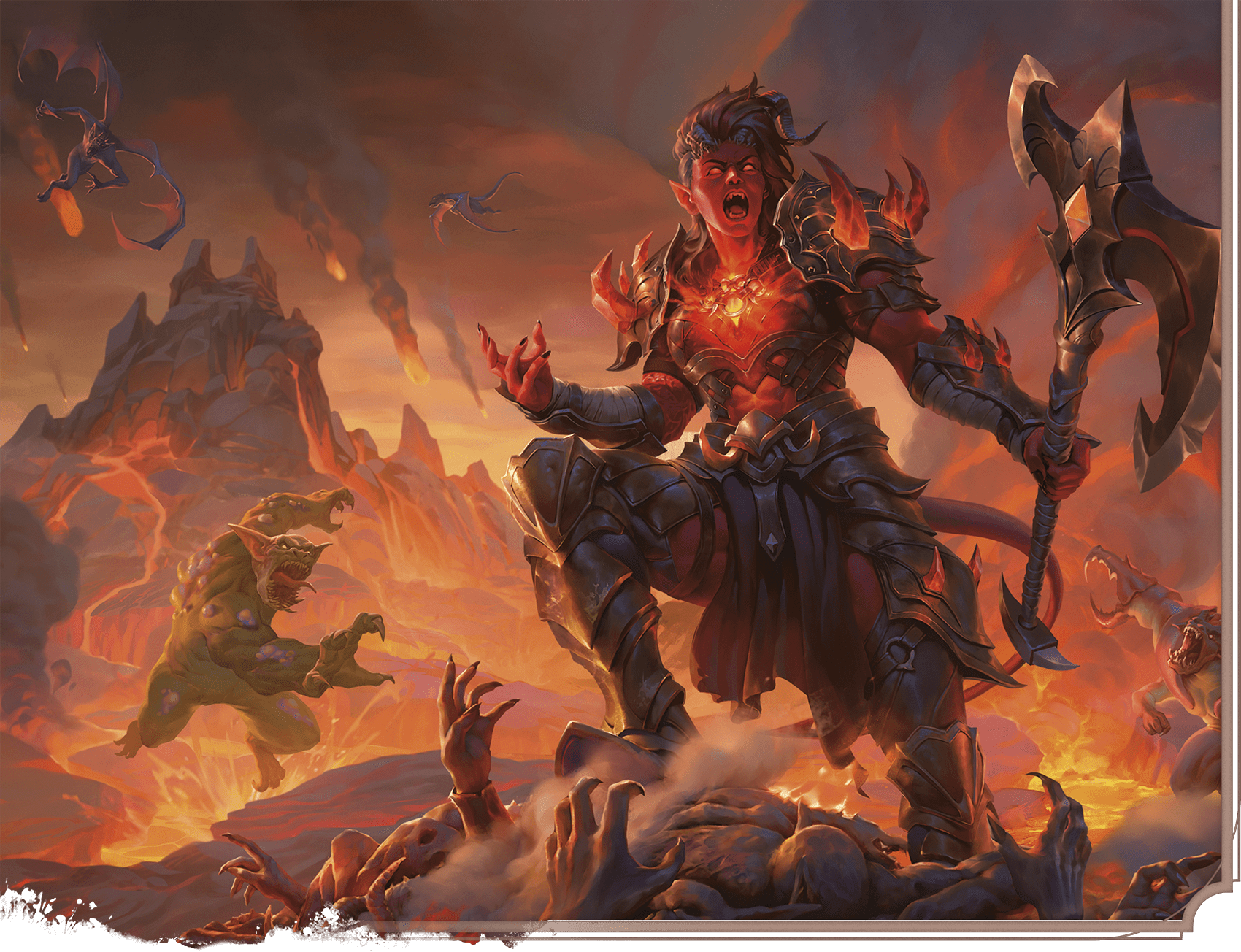
Hitting the right emotional tone
It’s important to consider what kind of emotional tone you’re going for with your roleplaying world and campaign, before you start thinking about consequences. You don’t want your players to experience any sudden tonal whiplash, if you start doling out harsh repercussions when they’ve otherwise gotten used to a much lighter experience.
If you and your party prefer a sillier, more relaxed story that prioritizes laughs over narrative depth, then it’s probably best to keep your consequences on the lighter-side. Maybe a disgruntled pageant contestant whose dreams were ruined by the group’s meddling, seeks to punish your players by putting them through a humiliation ritual of pageantry? Consequences are more of a chance to bring back old characters and call back to previous storybeats in a fun way.
But if you and your player group are open to a more emotionally serious experience, it’s still important to ensure that everyone is on the same page when it comes to subject matter. You don’t want to make your players feel uncomfortable, which is why safety tools and good communication matter. You want your players to reflect on their actions, roleplay their characters’ thoughts and feelings, without hitting them with a consequence that’s going to feel unfair or even too disturbing. This approach relies on documenting your players’ actions, reviewing them, and concocting some reasonable consequences where they count, not just playing for shock value.
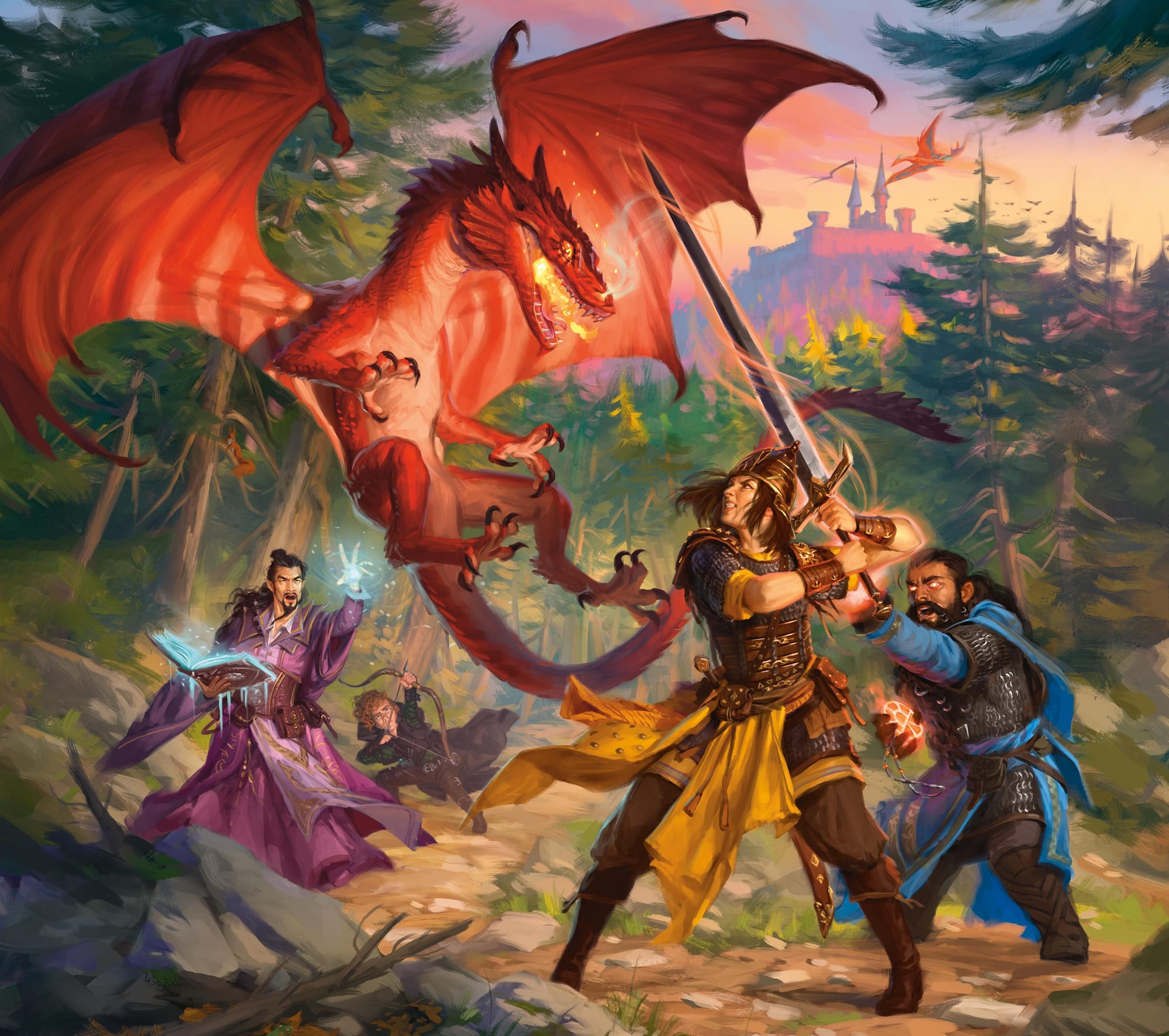
Encourage players to roleplay and behave better
Creating consequences for player actions can also encourage them to become better roleplayers and collaborators. We’ve all either experienced or heard of stories where a player chooses to roleplay their character in the most chaotic and uncooperative manner possible, mowing down random characters and refusing to engage in dialogue outside of a few quips. It’s anti-social behaviour and ruins the experience for everyone else - you don’t want players doing this.
Outside the more extreme cases - where often the best course of action is to just ask the player to leave the group - the greatest tool you have in your arsenal to help temper this behaviour, besides communication, are consequences. Players being a bit casually inconsiderate towards an NPC, or prioritizing grabbing treasure over helping others? Have these choices result in them losing access to something - like a valuable ally, or a reward, or a supply chain for awesome new equipment.
They still get to do the thing they wanted to, but at the expense of another opportunity. Make them realize that, if they want to keep being antisocial to your NPCs, they need to pay a price for the pleasure.
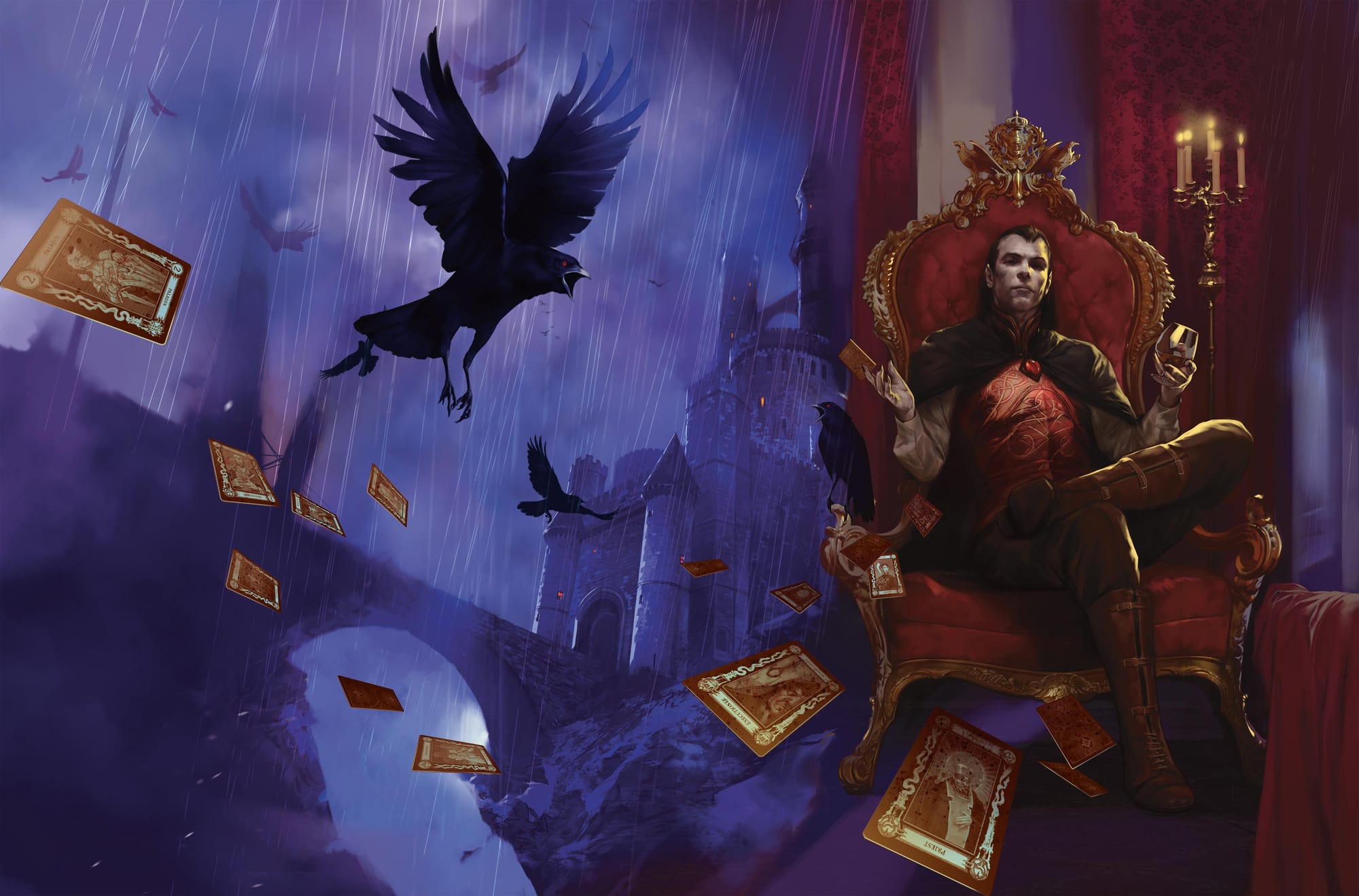
You don’t have to force your players to be morally good
However, wielding consequences like an executioner’s axe does not make you a good GM, and puts your players off from exploring their own characters’ belief systems, personalities, and potential narrative arcs. Even choices with good intentions behind them can have unintended consequences that players might have to contend with eventually.
Consequences can be used to drive the campaign’s narrative to interesting and complex places, and convince players that every single action they make actually matters. For example, your players might choose to assist one town in defending themselves in a territorial conflict, because they claim that the other town broke the treaty first. Only to learn that they’d orchestrated the incident themselves, as an excuse to change the territory lines in their favor. Though the players’ intentions are good, acting before finding out more information or getting the other town’s input, has resulted in negative consequences.
Players should be able to deliberately make bad moral decisions in your campaign and face consequences too. For instance, they could decide to help the town despite knowing that they’re responsible for the violation of the treaty, even helping them to expand their territory, in exchange for free equipment and assistance from the town guard. As a result, both the affected town and neighbouring towns might refuse them entry, and even spread the word of their deeds beyond their borders to other places. It’s really up to them, whether it was worth the cost.
Regardless, showing that your world will respond to players’ choices, enhances the immersion and forces your players to really think about their actions.
So, why do consequences work?
- They make your players’ choices mean something
- They make your players better roleplayers and collaborators
- They make your world feel more alive and immersive
- They can be used to tell more complex and emotionally engaging stories