Government Structure
At the head of the Scyltheldish state is the Cyning, the King. Selected by a council of nobles upon the death of the previous Cyning, with preference typically being shown to the eldest adult son of said Cyning. However, the nobles could select any member of the extended royal family as the successor. This council was made of all the Eadric’s in the land, hereditary nobles who role it was to administer shires, and command the local fyrds. These Eadric’s would appoint Wardric’s to govern smaller areas of the shires, typically selected from retired former warriors of the Cyning.
Under the Wadric’s are the Aldwin’s selected by the Wadric to oversee each communities Folcmōt, command the Fyrds in their region, and collect taxes to be sent upwards.
Law
Unlike the more centralized systems found elsewhere, Scyltheld’s laws are administered locally, with each community governed by a Aldwin (Reeve) who the peasantry can appeal to at the Folcmōt (folk assembly) in times of need. These Aldwin’s were appointed by a Wardric (Thegn), a lord or warrior-noble appointed by the Eadric (Ealdorman), who acts as a regional overseer under the authority of the King of Scyltheld.
Laws in Scyltheld are written in Gētlāg, a collection of legal codes inscribed by scribes. Enforcement varies between regions, as each Folcmōt holds a degree of autonomy in interpreting and applying the law. Justice is often restorative rather than punitive, seeking to resolve disputes through compensation rather than imprisonment or execution. However, for crimes deemed heinous—such as oathbreaking, treachery, or murder—punishments can be severe, including outlawry or execution by hanging or beheading.
Disputes are typically resolved in the Folcmōt, where the accused and accuser present their cases before a jury of peers. Trial by ordeal is also practiced in exceptional cases, where divine judgment is invoked to determine guilt or innocence.
Magic is legal in Scyltheld but held in suspicion and often seen as an untrustworthy Äälar trait.
The Scyltheldish hold kinship in high regard, and the legal system reflects this. Families are expected to resolve conflicts internally whenever possible, with blood-feuds a common, albeit discouraged, outcome of unresolved disputes. Compensation is a cornerstone of justice, with the amount determined by the status of the victim and the severity of the offense. For example, the compensation of a noble Wardric is far higher than that of a Ceorl (freeman).
Slavery, while not as pervasive as in Orkfjarr, is still practiced in Scyltheld. Known as Theowdom, Theowas (slaves) are primarily captives taken in raids or wars, though debt bondage is also a common means of enslavement. Theowas have few rights but are afforded some protections under the law. Masters can be held liable for the mistreatment or unjust killing of their slaves, though this is often subject to the discretion of the Folcmōt.
Freedom is achievable for Theowas through manumission, often granted as a reward for loyalty or service, or through payment of a redemption price. Once freed, a former Theow becomes a Frīþbora (freedman), though their social standing remains below that of a Ceorl.
Women in Scyltheld occupy a complex position within society. While bound by traditional expectations, they possess certain legal rights that distinguish them from women in other realms. A widow or unmarried woman of noble birth may inherit land, and all women have the right to refuse marriage proposals, though this is often constrained by family pressures.
In cases of adultery or abuse, a woman may seek redress through the Folcmōt, though success depends on the strength of her kinship ties. Women may also become Cwenesceaðas (wise-women or healers), wielding influence through their knowledge of herbs and the old ways, though they walk a fine line between respect and suspicion of witchcraft.
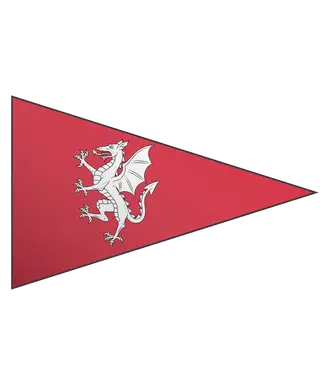
Alfred I
Scyltheldish
Wetterfjildic
Einarric