After publishing a guide to running a Daggerheart campaign last month, it’s time to take another look at the tabletop RPG from the Critical Role studio.
👍Classes are familiar, but include some unique options
Many of the classes offered by Daggerheart will seem very familiar to D&D players: such as the Ranger and the Druid, both of whom are built very similarly to their DnD predecessors. Whilst others simply take very obvious inspiration from D&D classes, such as the Seraph - which shares the Cleric’s affinity with religious deities and protection. This isn’t necessarily a bad thing, especially as Dungeons & Dragons’ classes have remained so influential and iconic for good reason.
Where Daggerheart does differentiate itself from the big D&D, is in some of its more unique subclasses, which do some weird and wonderful things. One of these is the Rogue subclass, the Syndicate - whose unique elements revolve entirely around their network of underworld connections and the influence they have over others. The Syndicate is great because it’s an off-the-wall approach to a character class that enables players to build backstory and relationships through their subclass abilities - it opens up some great opportunities for roleplaying. Ideally, Daggerheart would have more subclasses like the Syndicate.
👍Players and game masters have very different gameplay experiences
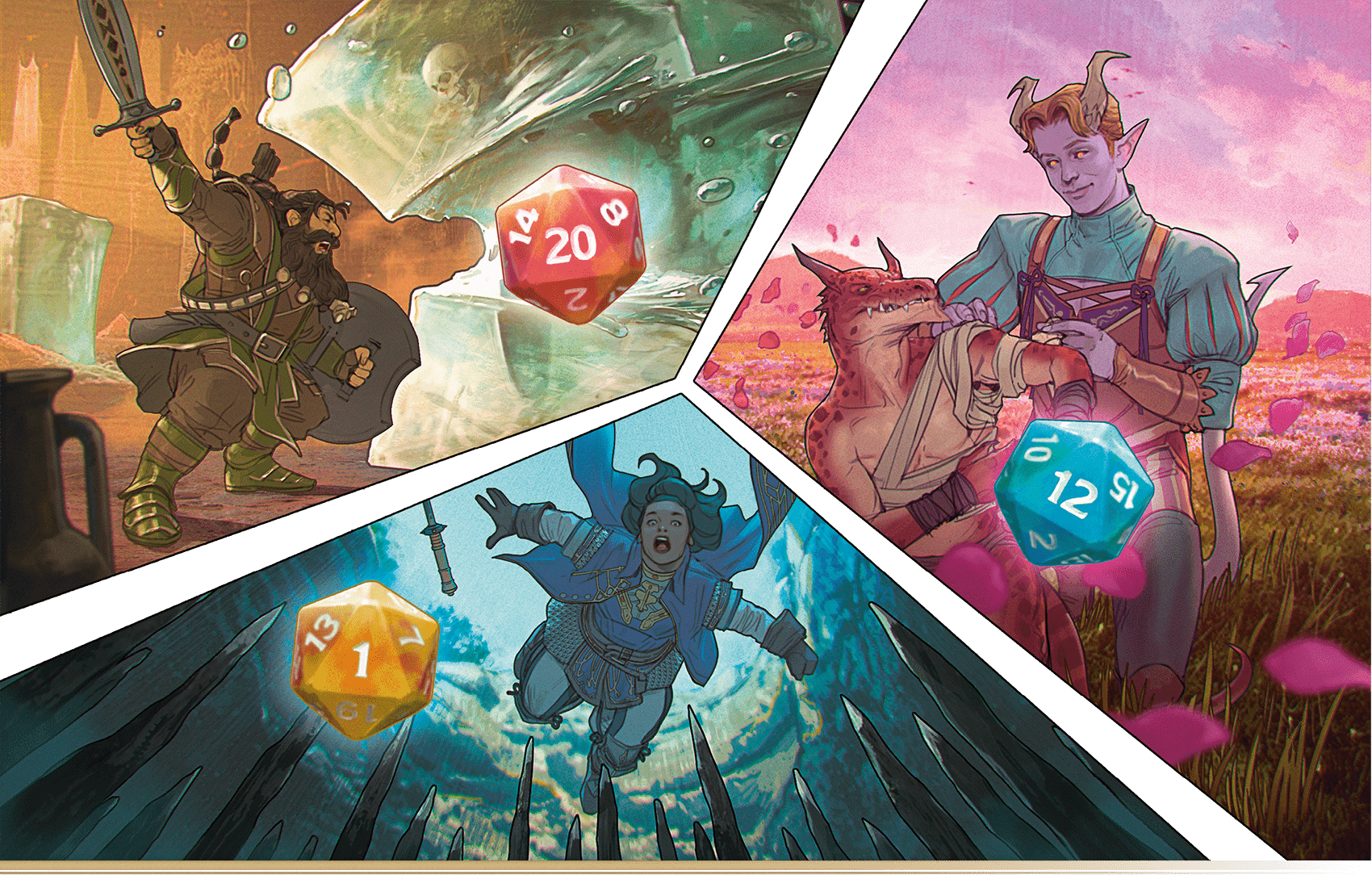
Obviously, players and game masters do fulfill different roles in most roleplaying games. However, Daggerheart takes this one step further by having the people in those roles interact with entirely separate gameplay mechanics. In Daggerheart, it’s only really the players who are going to be rolling dice - both Hope and Fear dice - whereas the GMs’ actions revolve entirely around placing obstacles in the player characters’ way and putting the pieces in place to elicit drama.
Players and game masters also have access to different resources in Daggerheart, which they can use in very disparate ways. Whilst players and entire parties can use Hope to boost the power of their rolls and support each other (obtained through the Hope die), GMs can utilize Fear - which is acquired through the Fear die - in order to introduce new challenges for the player characters to overcome, as well as instigate more moments of drama.
👍Daggerheart is ALL about narrative
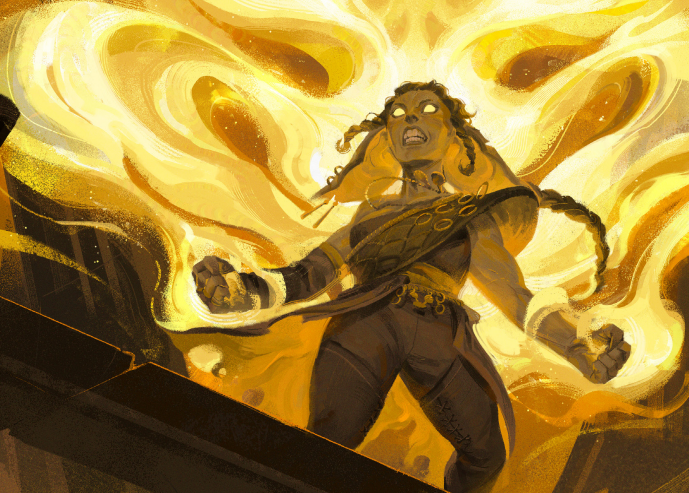
Daggerheart is absolutely not shy about its allegiances to storytelling over everything else. The Hope and Fear gameplay mechanics are intended to provide opportunities for drama - particularly in how the GMs are able to use Fear to either instigate new drama or intensify existing dramatic moments. Daggerheart also refuses to endorse failure in its gameplay, instead having the player characters encounter further complications as a result of lower roles - ensuring that the story always moves forward, just not necessarily in the way players wanted it to.
This narrative-forward approach is also apparent in how classes and levelling up works in Daggerheart. Classes and Subclasses are not overly complicated, with a lot of character abilities allowing players to make broader, creative choices, rather than just granting number bonuses to rolls. Leveling up is also a simpler process, with everyone having access to exactly the same advancement options for each level, regardless of their chosen class or subclass. This leaves more room for players to focus on developing their characters’ arcs, personalities and relationships instead.
👎Some elements of Daggerheart’s world work, whilst overs don’t
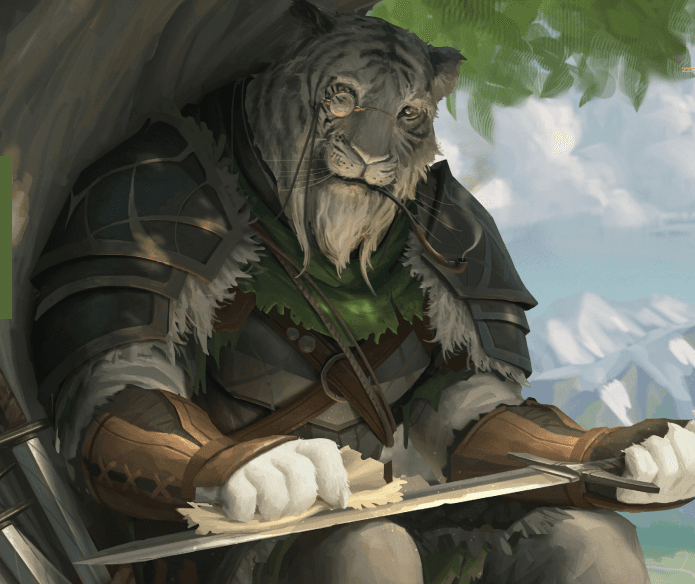
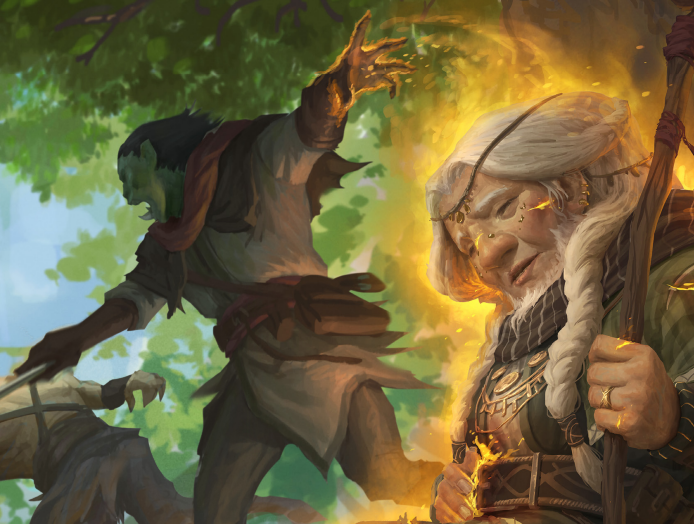
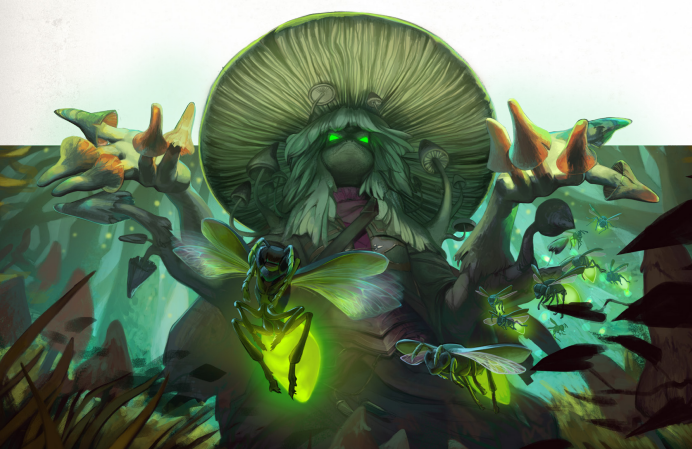
There are some interesting elements of Daggerheart’s worldbuilding that help it to feel unique. Daggerheart has the usual playable species you’d expect from a fantasy TTRPG - such as elves and humans - alongside some stranger options such as the Ribbets (or frog people), the Fungril (or mushroom people) and Faeries (bug people). These weirder ancestry choices have some fantastic designs and offer plenty of options for player customization.
However, these unusual playable species and their customization options come with a price too. Daggerheart’s varied ancestries feel a bit disjointed, especially when they’re positioned side-by-side within the game’s core rulebook - it doesn’t seem that the monkey-like Simians would exist in the same world as the very milk-toast Elves. It would almost be better if Daggerheart abandoned the usual fantasy trappings, and went all in on its weirder aspects - but it’s also understandable that people would be expecting elements like dwarves and such in their fantasy tabletop RPG.
👍Daggerheart cares about its players and GMs
The Daggerheart core rulebook includes A LOT of guidance for both players and game masters around how to play: not just the ins and outs of telling a good collaborative story, but also about how to behave whilst roleplaying.
In an age where tabletop roleplaying has never been more popular and mainstream, it’s good that Daggerheart acknowledges the importance of people taking turns, playing nicely, respecting others and approaching certain subjects with the appropriate amount of sensitivity. There have been too many people put off roleplaying because of bad experiences with horrible GMs or other players, so it’s good that Daggerheart makes pains to address good social etiquette.
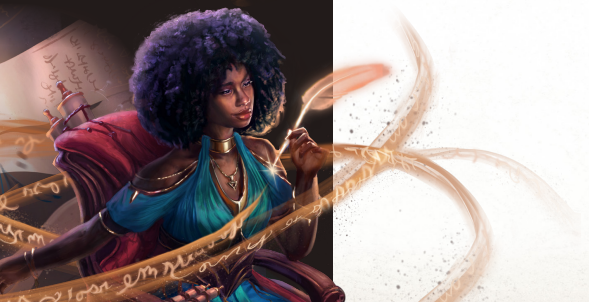
Daggerheart also makes sure to feature a wide range of options for players to create characters with disabilities - from people who use wheelchairs to characters who are hard of hearing - alongside guidance on how to play them with accuracy and sensitivity. Additionally, the artwork within Daggerheart’s core rulebook features a diverse collection of characters, including acknowledging the existence of trans characters and people of colour in a fantasy world, which is great!
Have some Daggerheart opinions of your own? Share them with us on the Legendkeeper Discord or on Legendkeeper’s Bluesky: @legendkeeper.com