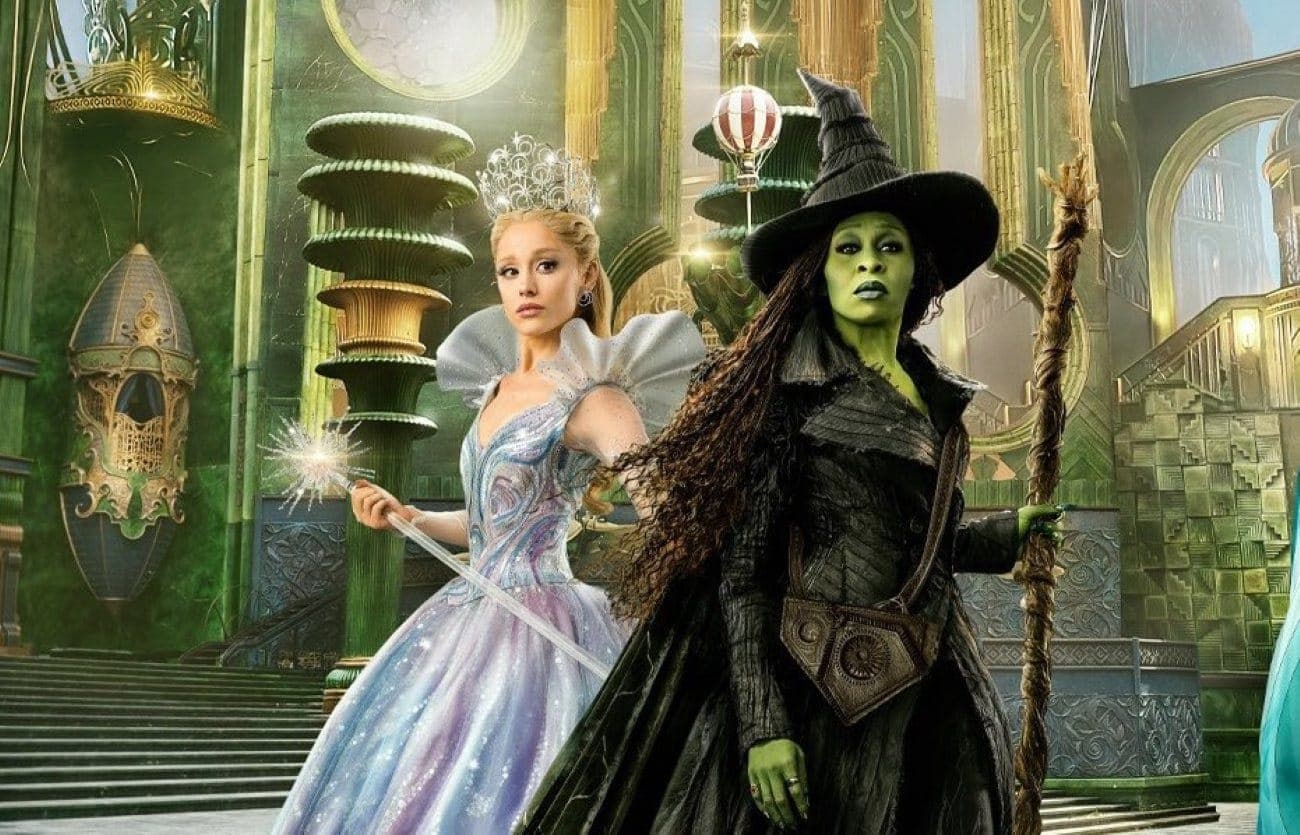
Wicked: For Good was released earlier this month to a great deal of anticipation. For Good is the second part of a recent movie adaptation of Wicked, the hit musical about two witches who are turned against one another by supporting separate sides of a heated conflict.
Wicked and Wicked: For Good hold a very interesting place in the world of adaptation, as they’re film versions of a musical adaptation of a book. Though Wicked: The Life and Times of the Wicked Witch of the West by Gregory Maguire is technically based on the original books by Frank Baum (which are in the public domain), the novel feels much more interested in the classic 1939 film, particularly because of its enormous influence on popular culture.
The evolution of these various iterations and adaptations makes for fascinating stuff, particularly how the musical and its movie adaptations choose to re-interpret and expand on the world and story of The Wizard of Oz. As such, Wicked (both the original musical and its film adaptations) serves as an excellent example of how to approach worldbuilding and storytelling. Let’s examine the different worldbuilding and storytelling methods that Wicked uses and what writers can learn from it.
(Spoilers for Wicked, Wicked: For Good)
Wicked enriches its story and world with deeper themes and ideas
The Wizard of Oz (1939) presents a simple story of a girl who learns the value of home and family by going on an adventure in a magical world. Wicked, seeks to further enrich the world of Oz by introducing new themes and ideas that greatly complicate matters.
One of Wicked’s most important themes is the importance of opposing tyrannical leaders, who utilize propaganda and scarcity to maintain control over the population. This is primarily represented by the character of The Wizard, who has hoarded the world’s supply of magic, ensuring that he remains at the top of the food chain, and less fortunate members of society are forced to conform in order to access any magic themselves.
Whilst some characters choose to stand against The Wizard, others decide to maintain the status quo out of fear of losing everything. Wicked shows that when the reality of the system is exposed, there are going to be some people who are either willing to break it down, or cling to it desperately.
This is a way of expanding a world without just adding more stuff or making it bigger: instead, Wicked introduces deeper themes and ideas that give the world of Oz more substance. Consider how you can introduce themes and ideas that complicate your world and story, making your players look at things from a different perspective.
Wicked subverts and responds to audience expectations
Being set in the same world as one of the most beloved films ever made, means that it was almost impossible for Wicked to avoid addressing the looming shadow of The Wizard of Oz (1939).
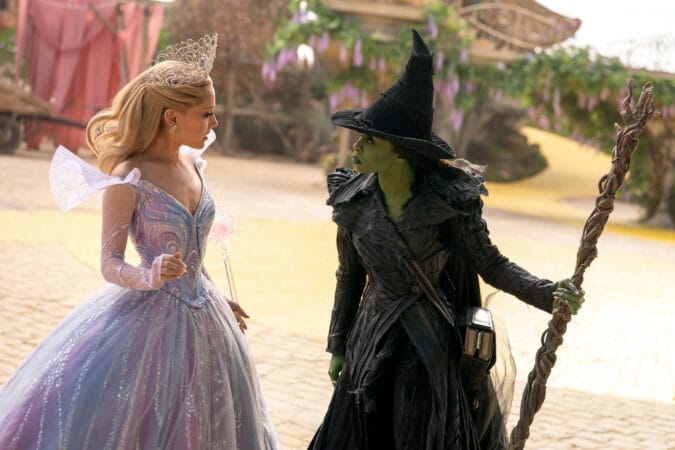
In fact, Wicked directly addresses some of the most iconic elements of the film, particularly the characters of The Wicked Witch of the West and Glinda the Good. Whilst these two characters in the movie represent polar opposites (both visually and morally), Wicked seeks to subvert these expectations by establishing a strong friendship between these characters.
Rather than being outright good or bad, the Witch, or Elphaba in the musical, and Glindas’ characters are made up of shades of grey. Elphaba is ostracized for her green skin and, eventually, is labelled as a dangerous terrorist by The Wizard once she defies his rule. Whilst Glinda may appear virtuous, she is willing to publicly denounce her friend to protect her own position of privilege.
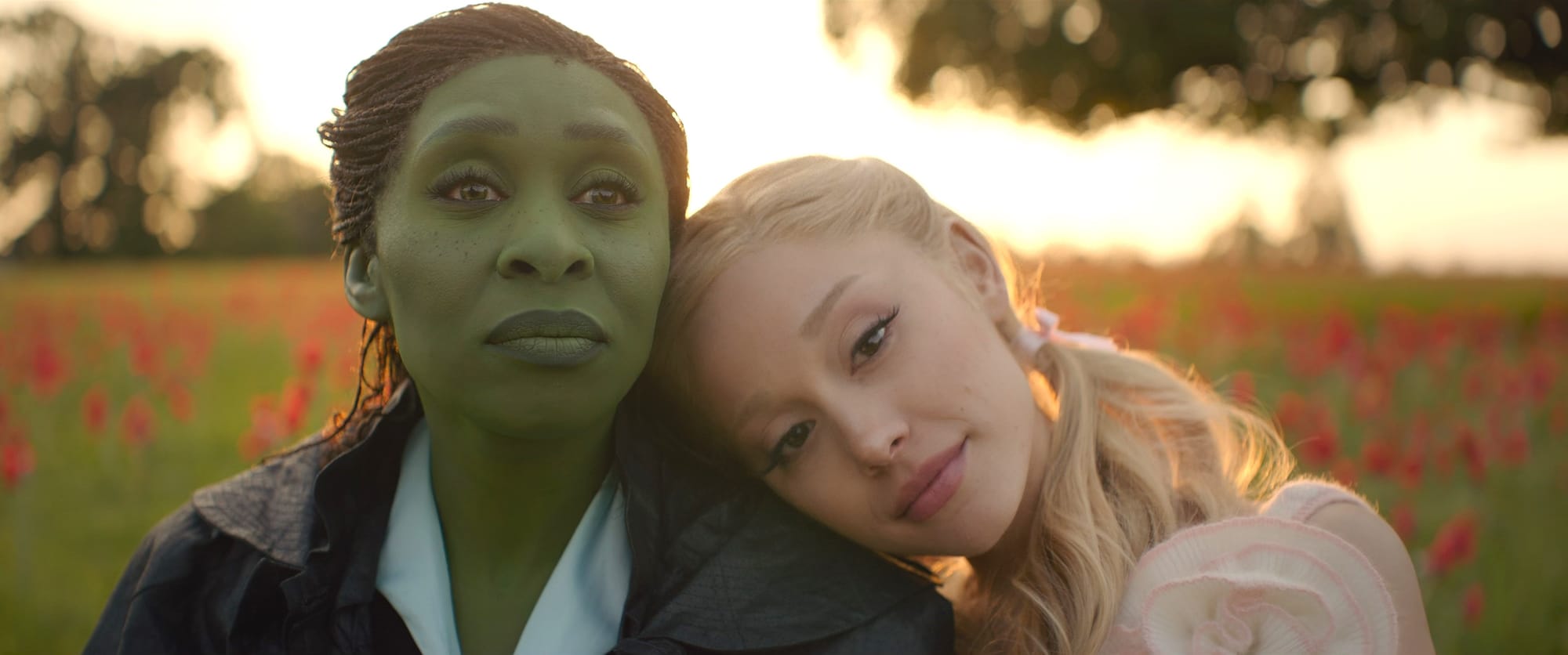
Wicked subverts audience’s expectations - while still nodding to key moments in The Wizard of Oz - by presenting unconventional versions of characters that they’re already familiar with. Think about how you can respond to your players’ expectations of how TTRPG worlds and campaigns work, whether by subverting them or even leaning into the, when it feels right
Wicked introduces a strong core conflict to shape its story around
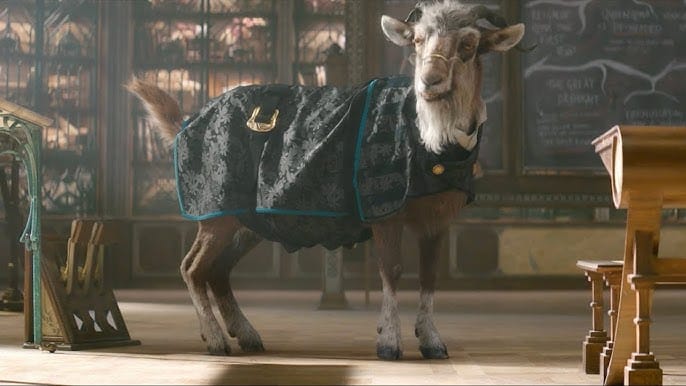
One of the core conflicts featured in Wicked revolves around the treatment of talking animals in Oz, and how they become useful scapegoats for The Wizard. Whilst studying at Shiz (the magical school in Oz), Elphaba meets Dr Dillamond - a speaking goat who works at the school - and forms a bond with him, possibly because she herself is ostracized. When Elphaba discovers that The Wizard is responsible for the continuing oppression of speaking animals, she decides to fight for their rights.
This causes Elphaba to fall out of favour with The Wizard and Oz’s elite, losing her opportunity to become his apprentice and turning her into Oz’s boogeyman. It also puts a heavy strain on her friendship with Glinda, who chooses to continue working with The Wizard and his allies. This strain plays a significant emotional role in the musical, especially in its second half, as we’ve become endeared to this delightful friendship that’s now at risk.
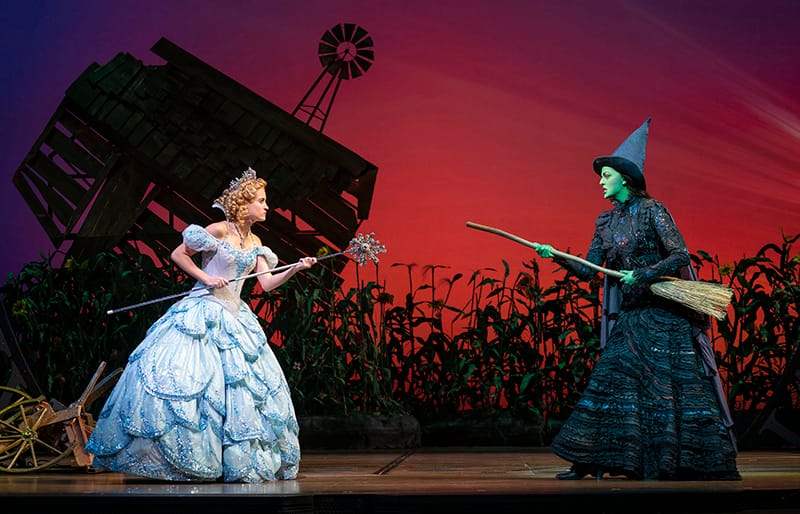
How different characters respond to this core conflict actually generates a large amount of the drama in Wicked, which makes it an excellent instance of both worldbuilding and storytelling. The way that speaking animals are oppressed in the world of Wicked is an indicator of the rise of facism, and becomes the trigger point for many character arcs.
What core conflict can you implement into your world and storylines to help communicate key themes, and challenge your players’ characters? Could you even introduce characters that players become attached to, before they’re forced onto opposite sides of a dispute?