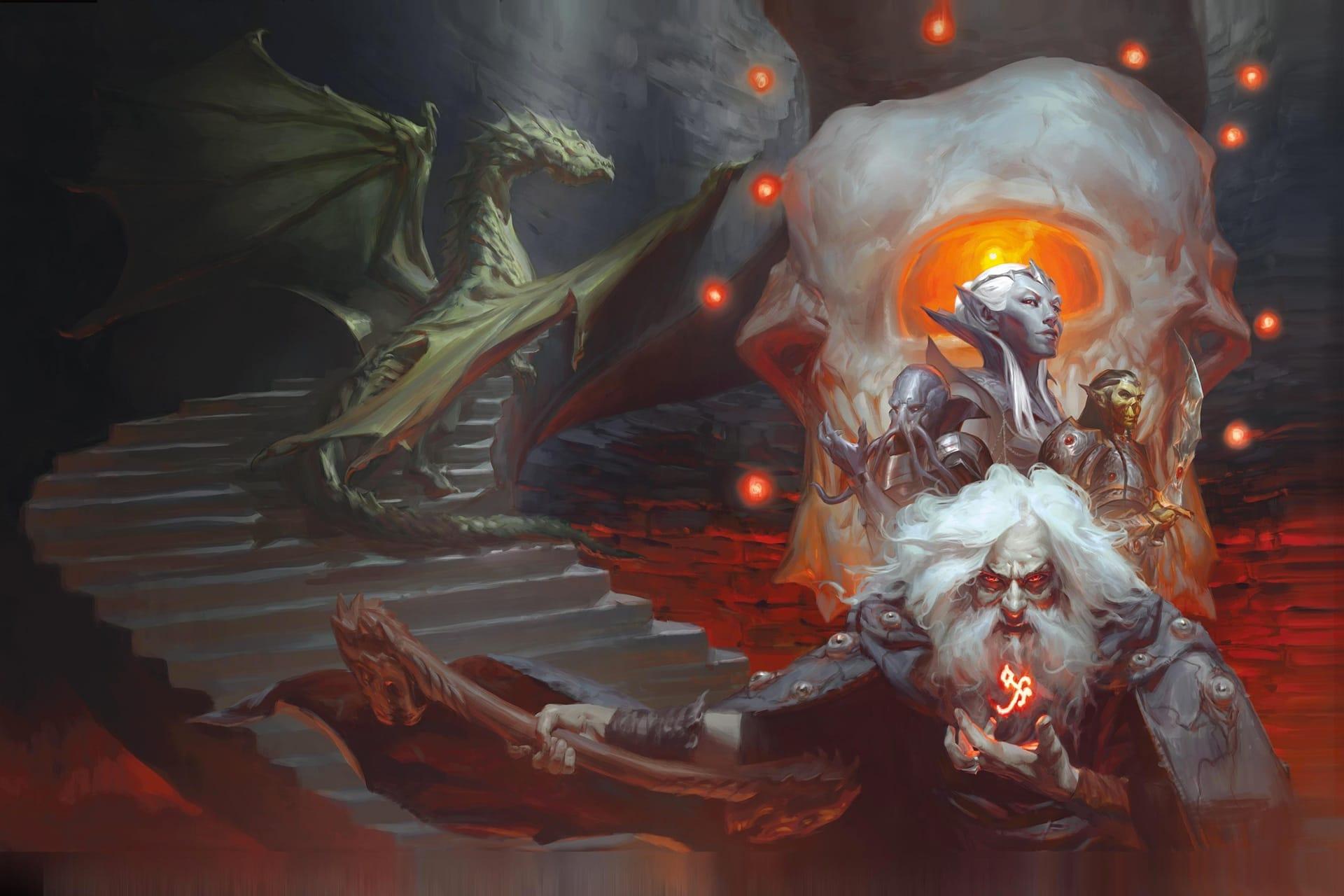
Waterdeep: Dungeon of the Mad Mage is now considered a classic Dungeons & Dragons adventure, one that you and your players might want to experience yourself. This adventure was first released for D&D 5th Edition in 2018, and provides an immensely varied dungeon-crawling and roleplaying experience.
Obviously, the best way to start learning how to run Waterdeep: Dungeon of the Mad Mage is by reading through the official adventure book: whether via the traditional physical book, or using a digital version like a PDF or through a platform like D&D Beyond. The book is essential for DMs running this adventure, as it features key information on background lore; quest hooks; important non-player characters; monsters; and map layouts. Seriously, you cannot run the adventure without the book, alongside the Dungeon Master’s Guide and Player’s Handbook, so make sure you have access to copies.
Otherwise, there are ways to make running this rather complicated adventure that much easier on yourself and your players, as well as ensure that you get the most out of it.
A brief overview of Waterdeep: Dungeon of the Mad Mage
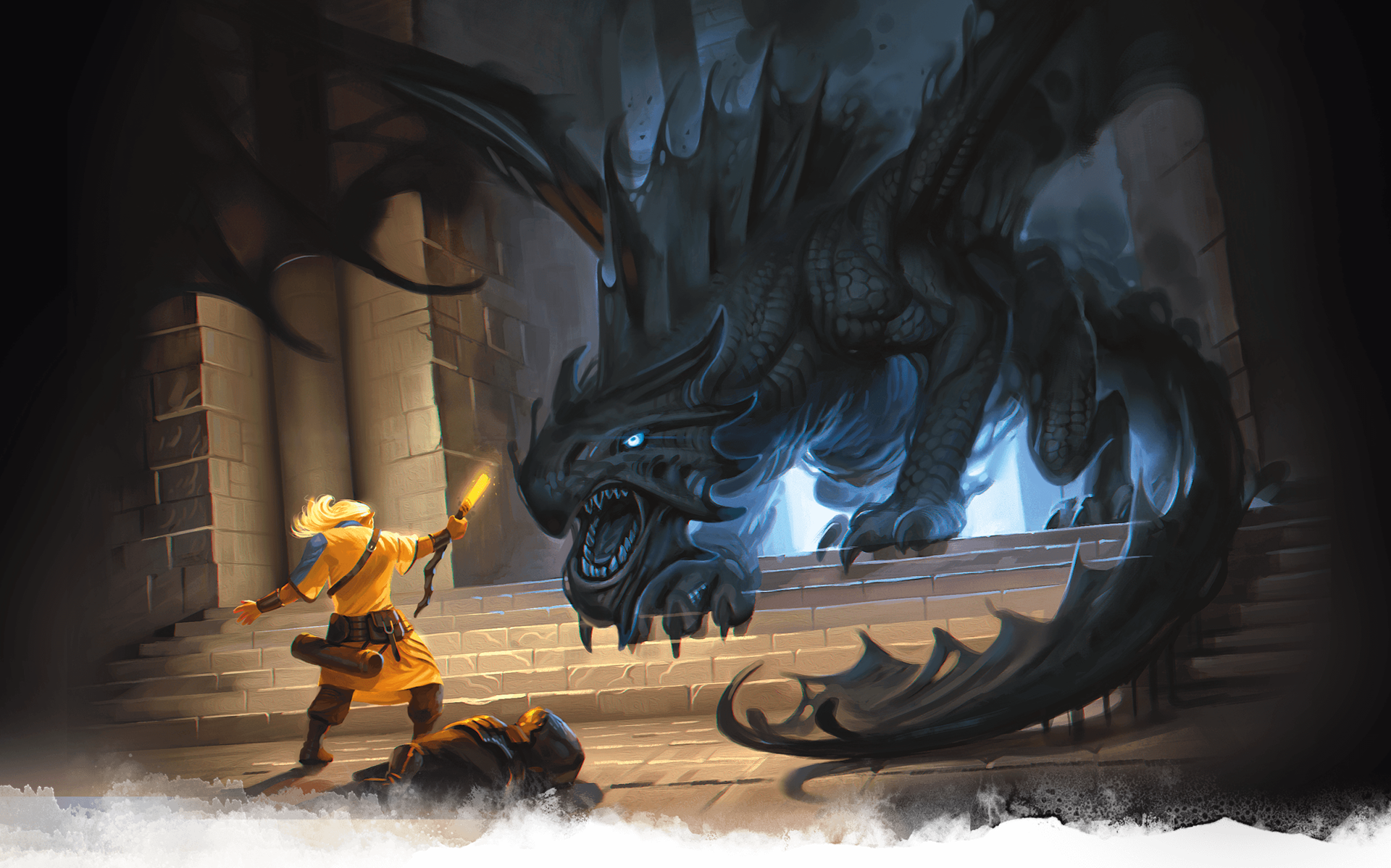
Waterdeep: Dungeon of the Mad Mage is an adventure designed to take characters from level 5 to level 20, and takes place within and around the iconic D&D city of Waterdeep.
Though you can play this adventure from start to finish, if you wanted to, it’s not really designed to provide a complete A to B narrative like many other Dungeons & Dragons adventures. Instead, Dungeon of the Mad Mage features a total of 23 levels of dungeon-crawling for players to explore. It’s not really advisable for player groups to try and tackle each level one-after-the-other, especially as the levels get progressively larger and more challenging. Rather, it’s best to consider Dungeon of the Mad Mage as a dungeon-crawling location your players can keep returning to, if they want.
The titular dungeon is found beneath a ginormous mountain that looms over the city of Waterdeep, and can be entered via a tavern called The Yawning Portal, opened by the renowned explorer Durnan the Wanderer. The dungeon was originally built by a powerful mage called Halaster Blackcloak, who eventually became obsessed with digging deeper down into the Undermountain, adding more and more floors to his dungeon. Halaster also began travelling to various locales, and even other dimensions, to find creatures and beings to populate his megadungeon.
After Halaster disappeared, the dungeon became a challenge for anyone brave, stupid, and or greedy enough to attempt to explore its floors. Many ambitious adventurers who venture inside - through the drop found inside The Yawning Portal - are never seen again, lost within the labyrinthine passages of the dungeon.
Look for original story hooks that work for your group
The book for Waterdeep: Dungeon of the Mad Mage features a selection of some more specific quest hooks, if you’re more interested in quickly moving into the meat of the adventure. However, if you wanted to include a more personal and original approach, you could devise your own adventure hook. This is an especially good idea if you’re planning to run this adventure with an existing DnD party who have already been on a couple of quests, so it feels more natural for them to transition to the Dungeon of the Mad Mage.
You can brainstorm and plan your story hooks using a worldbuilding platform like LegendKeeper, which allows you to put pen to paper (albeit, digitally) and organize your ideas easily and cleanly. Perhaps you could build a rough flow chart for the start of your adventure using LegendKeeper’s boards feature, outlining how players could choose to enter the Dungeon of the Mad Mage - what actions could lead to the party descending into the bowels of this place.
There are various possibilities for original story hooks for Dungeon of the Mad Mage, some possible avenues to look down include:
- Player characters are searching for valuable magic items because - they need wealth to support their family/ they want to fund a business venture/ or they dream of becoming a property owner.
- Player characters want to venture into the dungeon for renown because - they want to prove themselves to someone they admire/ they don’t want history to forget them/ they want to impress someone that they like.
- Player characters might want to help someone by going into the dungeon because - a friend needs help to pay off a serious debt/ a renowned person is searching for a specific treasure lost down there/ a beloved non-player character needs closure for someone who has never returned from the dungeon.
Create a timeline of lore for easy referencing
I’ve already covered just some of the background behind Waterdeep: Dungeon of the Mad Mage, but that brief introduction is but the tip of the iceberg when it comes to the lore for this adventure. Though Dungeon of the Mad Mage is one of the less story-driven adventures made for D&D 5E, there’s still plenty of stuff to know about the Undermountain and its creator, alongside the many different characters and factions players can meet within the dungeon.
That’s not to mention anything that might have happened to your players’ characters prior that might be relevant to this adventure, such as any of the previously mentioned personalized adventure hooks. You might also want a way of recording any particularly important events that could occur during the adventure itself: such as any characters the players have met; factions allied with or against; treasure found; etc…, beyond just relying on notetaking.
A cleaner, more organized way of recording events is with LegendKeeper’s Timelines function. Timelines allows you to create an interactive timeline of events that you can easily scroll through, add to, and edit whenever you want. This means that you could make a timeline specifically for your Dungeon of the Mad Mage adventure, tracking all the events both leading up to and during it. You can even use the groups feature to organize your events into - ‘lore about the dungeon’, ‘player characters’ events prior to adventure’, ‘player character events during session 1’, etc….
Additionally, you can link these events to other pages within your LegendKeeper project to provide any necessary context. For example, you could create a page for any NPCs that players meet and form a relationship with - whether they’re ally or enemy - so you can collect all their interactions into a single place. Alternatively, you can link any especially quest relevant events to a quest page, such as the moment the players discover a clue for the whereabouts of a missing person they’re looking for.
Make interactive maps you can use during your adventure
Waterdeep: Dungeon of the Mad Mage is a D&D adventure that’s predominantly driven by dungeon-crawling. As such, the adventure involves tons of maps: one for each of the 23 levels found within the dungeon. These maps are probably the most important resource for the entire adventure, as you’ll be using them to spring the many trials and tribulations on the dungeon on your players.
These maps can be found on select pages in the adventure book for Dungeon of the Mad Mage. To make things easier for yourself whilst running the actual adventure, you could recreate these maps within LegendKeeper - making them more interactive, and collecting everything you need into a single place.
LegendKeeper’s map feature allows you to add and edit things in real-time, enabling you to do things like track your players’ whereabouts as they play, and remove elements like slain monsters or any items that have been picked up by the group. You could also make your make more dynamic by having living things - like characters, factions, and creatures - move around the map as players progress, making the dungeon feel like a living place.
Creating the maps from Dungeon of the Mad Mage within LegendKeeper, will also allow you to link various elements to other pages within your adventure project; such as pages outlining important characters; pages for monster information and stats; pages for key items; pages summarizing factions; etc… This will provide a quick and easy way to reference elements from your map whilst in-game, whenever you need to - as well as easily edit them, should anything change (like the player group’s relationship with a character).
Being as huge as it is, it’s unlikely that your players will explore the entirety of the Undermountain in one go - and will likely need to and/or want to return to the surface for a chance to take a break, restock their supplies, or perhaps pursue a different quest for a while, before delving back down (even with Skullport there). This will give you plenty of opportunity to create a map for each level of the dungeon ahead of when you’ll need it, as well as make any alterations to the previously explored maps, if need be - thereby keeping preparations manageable for you.

Final Thoughts
Waterdeep: Dungeon of the Mad Mage is an extensive and epic adventure, and it will likely take many, many sessions until your players reach the Mad Wizard's Lair. It’s going to be a much easier experience to run this adventure if you take the time to create some of these additional resources to use alongside the official adventure book. You could even take elements from the Dungeon of the Mad Mage adventure to use to create your very own original adventure or sidequest, such as the core concept of a giant, subterranean dungeon, or one or more of the level maps - which you can then build within LegendKeeper. The adventure is your oyster!