It’s the Halloween season, so it’s time to talk about horror films. The way that some horror films present their worlds and tell their stories, can offer valuable insight into how to craft your own worlds and narratives. Horror movies don’t just differ when it comes to tropes and styles of horror, but also in the methods they employ to communicate their key themes/emotions and make themselves memorable to viewers.
Spoilers for Alien (1979), Talk to Me (2022), Nosferatu (2024), Final Destination 2 (2003), A Nightmare on Elm Street (1984)
Alien (1979)
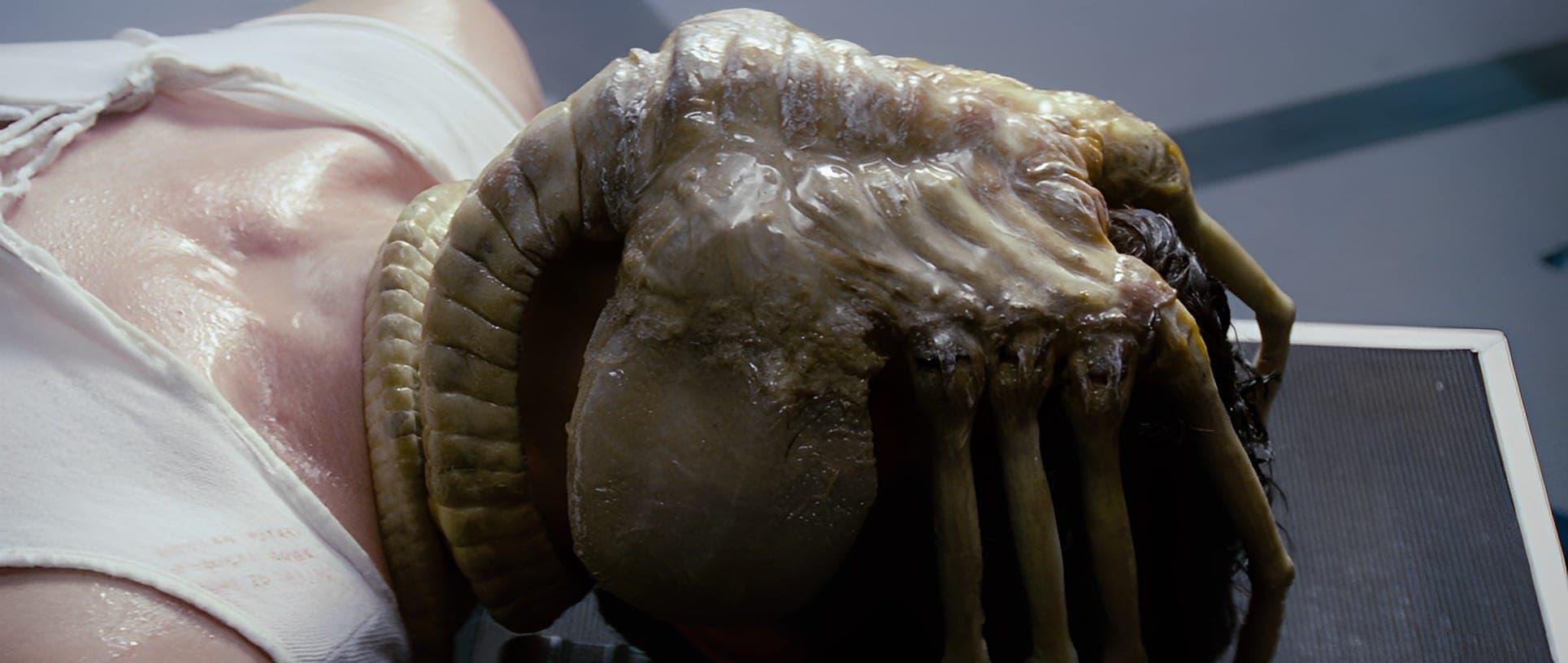
This classic science fiction horror flick sees a spaceship land on a strange alien planet, only to unintentionally pick up an extra passenger who proceeds to hunt the trapped crewmembers.
Alien is probably best known for its iconic creature: the Xenomorph. However, Alien is also worth watching for its cast of human characters as well. These characters serve a greater role than just being fodder for the Xenomorph, as they provide a kaleidoscope of perspectives to read the events of the film through.
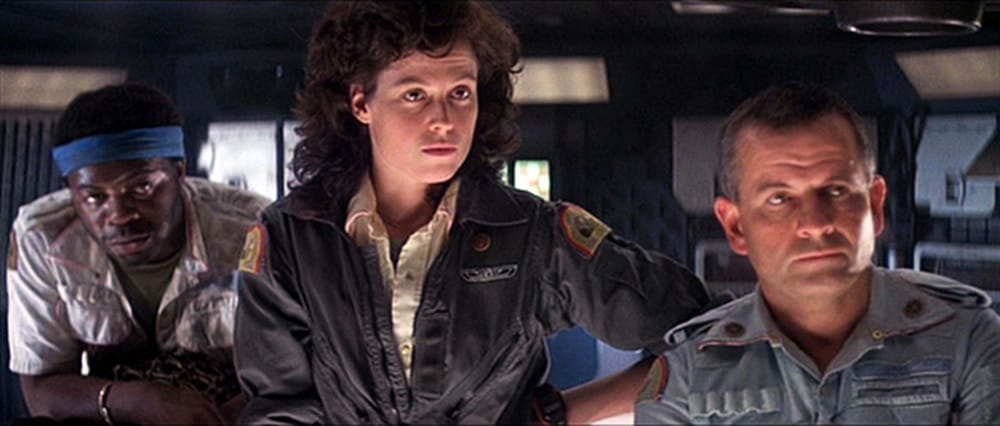
From Dallas’ foolish naivety to Ripley’s pragmatism, Ash’s calculating cunning to Parker’s honest cynicism, this group of humans offer the viewer a variety of insights into this world, and the subsequent events of the story. Ripley’s practical approach is born from a genuine desire to protect the crew, whilst Ash’s cold manipulation stems from his identity as an android programmed to protect the interests of the company. These characters, though somewhat tropey, feel well-realized and do a lot to immerse the viewer.
If you want to immerse your audience in the world you’ve created, be sure to provide some believable characters for them to connect with.
Talk to Me (2022)
Talk to Me follows 17-year old Mia, who begins partaking in a series of rituals involving a strange hand and a group of rowdy teenagers daring each other to become possessed by it.
Though Talk to Me’s greatest strength is its emotional storyline about how people can turn to substance abuse as a relief from grief, the movie is also really good at communicating the rules around its core premise: the creepy hand.
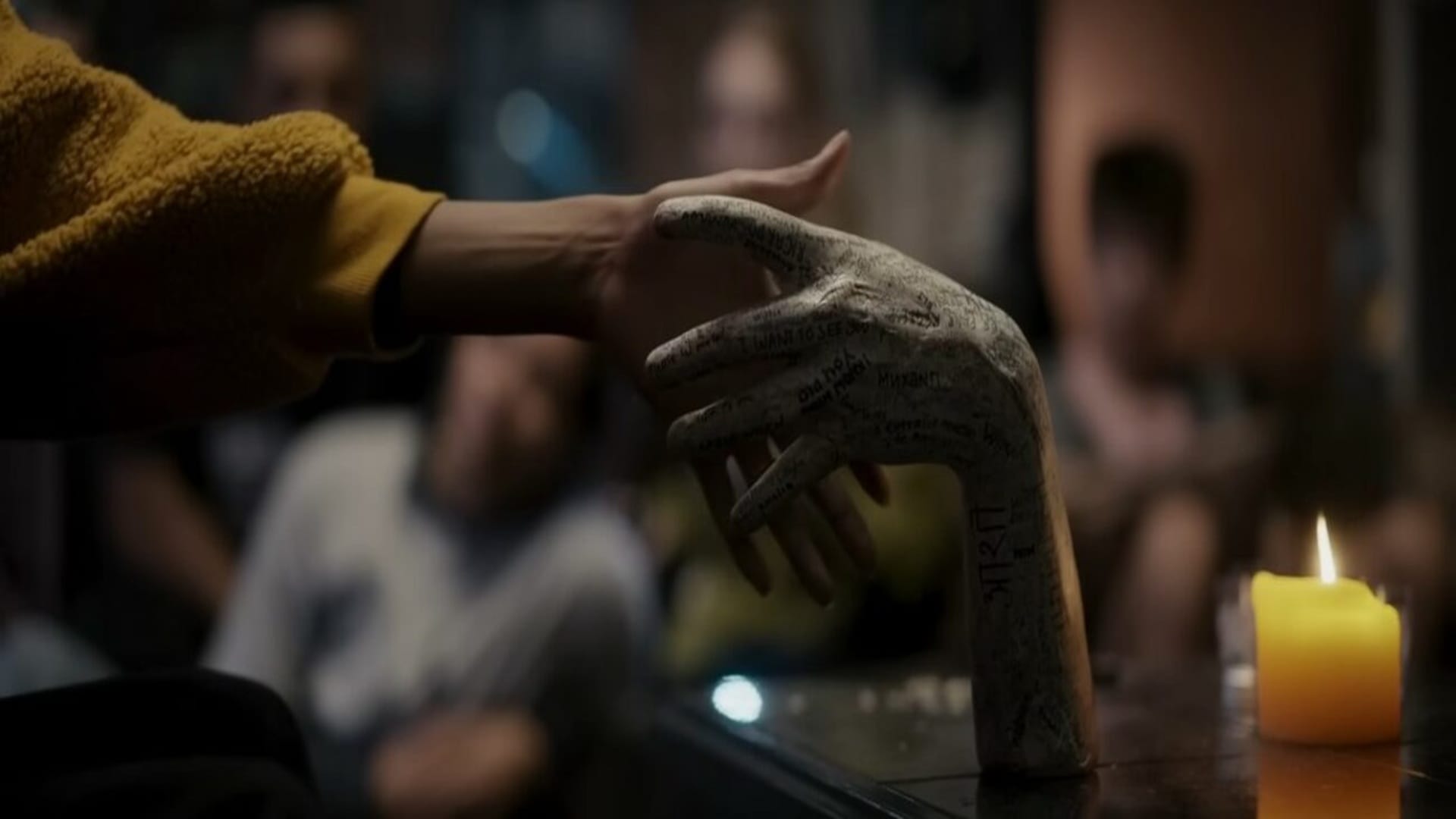
During the first party Mia and her friends attend, the owners of the hand clearly explain how to use it and - most importantly - the fact that it should not be held for longer than 90 seconds per person. The consequences of breaking this rule is then brutally demonstrated when the younger brother of Mia’s best-friend, Riley, holds the hand for too long and becomes permanently possessed to horrifying results.
Viewers don’t need to be told every detail about the hand to understand how it works, Talk to Me confidently tells you just enough to be scared when the rules are broken. Understanding what to reveal, and what to keep hidden, is an important part of telling a good horror story.
Nosferatu (2024)
Nosferatu (2024) is a remake of the classic tale of an ancient vampire who stalks the wife of his solicitor, bringing disease, monsters, and death to their home in the process.
This film was directed by Robert Eggers, a creator known for making films that often veer into the disturbing. Nosferatu is no different, presenting various sequences designed to make you feel dreadfully uncomfortable: such as the scene in which Ellen, Count Orlock’s victim, appears to become possessed by some terrible, bestial spirit.
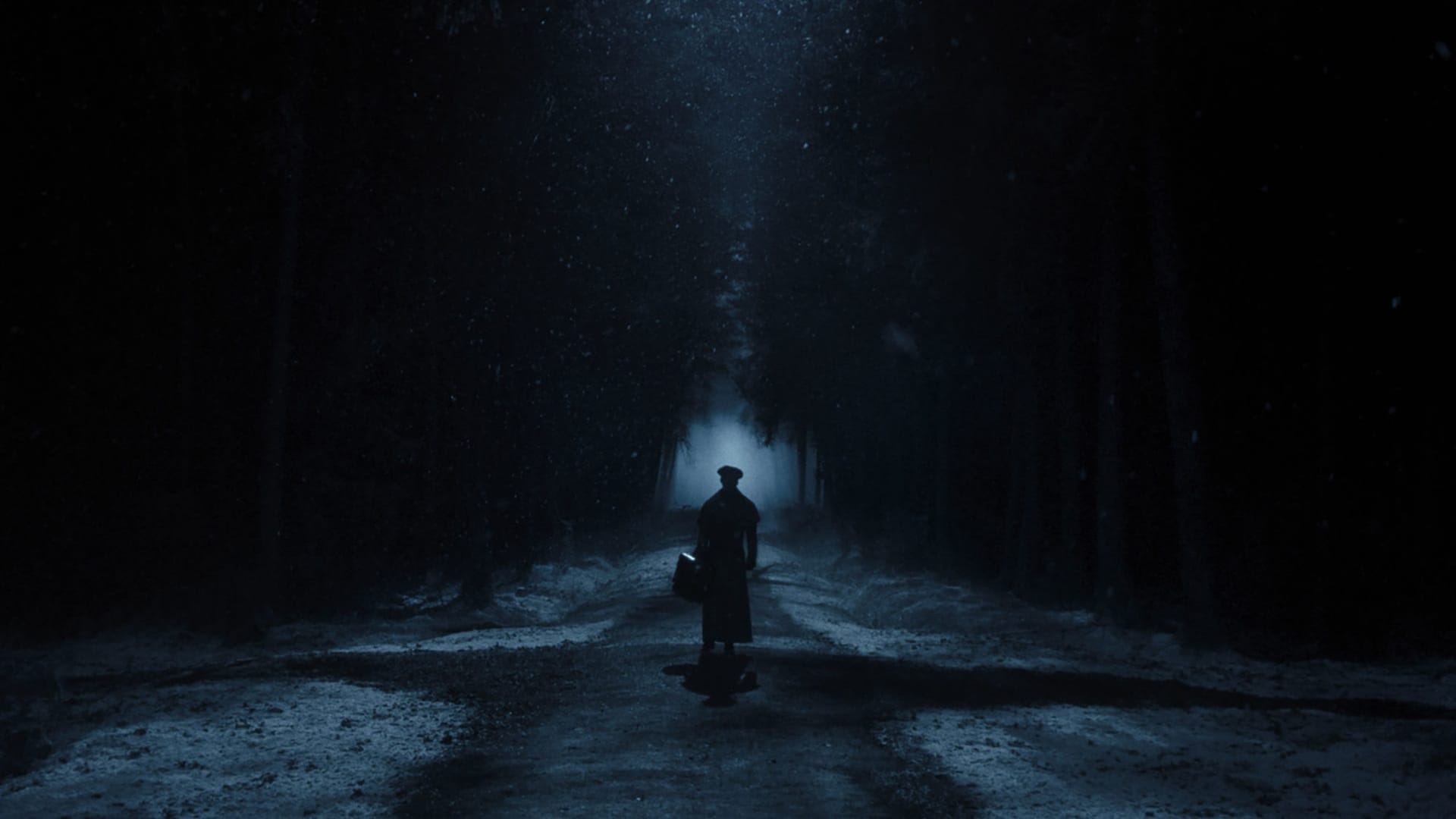
Another memorable scene depicts the arrival of a horse-drawn carriage which stops right as it’s about to crash into a character, somehow spins around and begins moving without the horses that once pulled it along. Obviously strange things are going to happen in a horror film. But it’s this bizarre, unexpected break in the momentum of the carriage, its sudden change in direction, and the removal of its horses, that really surprises.
Including moments where things suddenly don’t make sense, where the expected laws of the universe aren’t operating normally, can really knock your audiences off-guard and keep them on their toes.
Final Destination 2 (2003)
This sequel to the original Final Destination sees an unlikely group attempt to unravel the mystery behind a precognitive vision that saved their lives, whilst trying to avoid a series of strange, fatal accidents.
Many fans of the Final Destination series consider the second entry to be where the franchise actually gets good, namely because it shrugs off any and all pretense of trying to take itself too seriously. Whilst the original attempts to be earnest in its story about Death coming for those who escaped it the first time, Final Destination 2 decides to fully indulge in the ridiculousness of the premise by killing off its cast of, mostly unlikely, characters in increasingly silly ways.
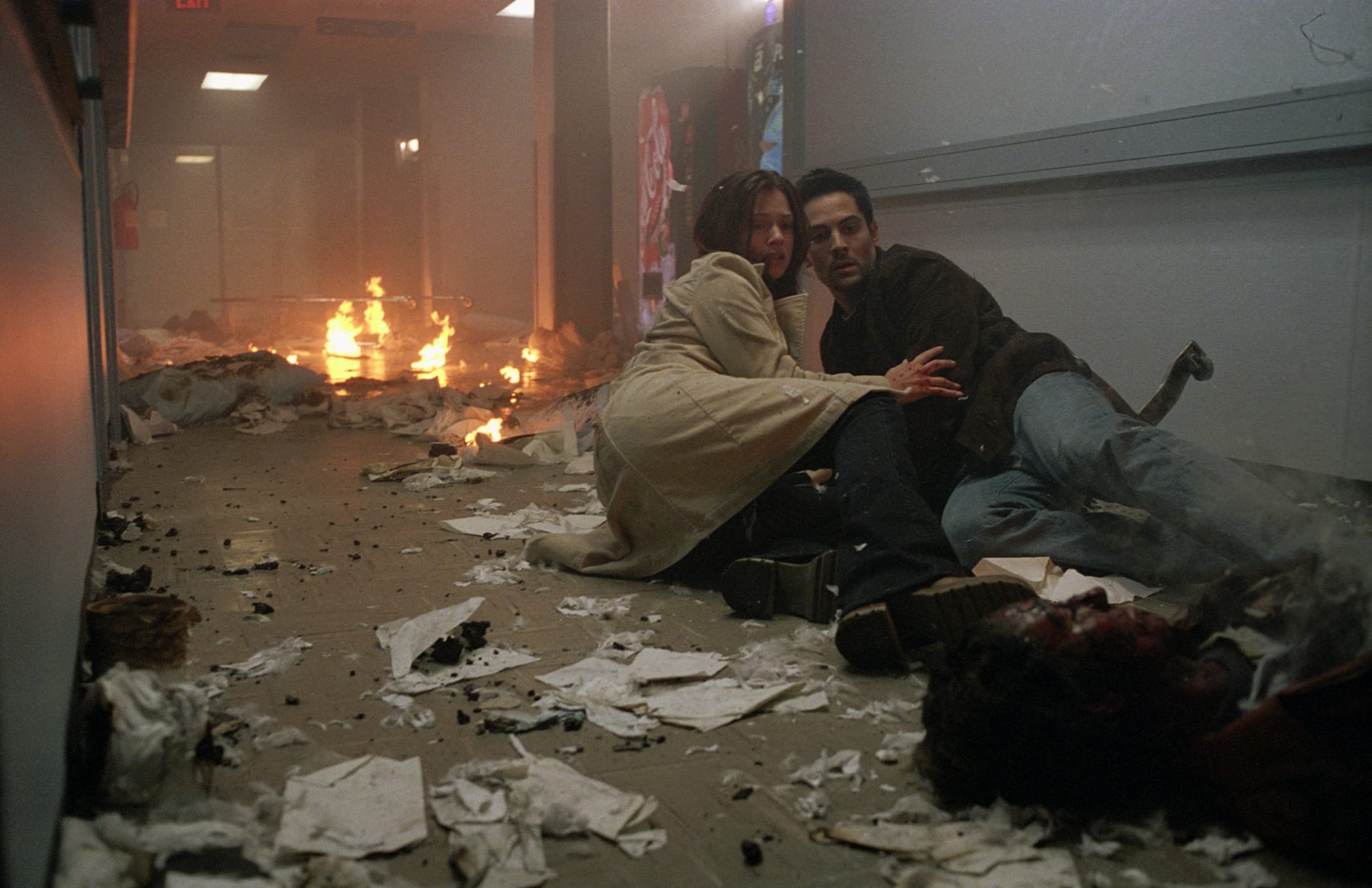
Embracing the ridiculousness of its premise, allowed Final Destination to find its own unique identity amongst the many other horror series that were aimed at teenage audiences at the time. Sometimes, the best thing you can do to create a memorable story and world for your audience, is to fully invest in an element that will make it stand out: even if it seems incredibly silly or too much.
A Nightmare on Elm Street (1984)
A Wes Craven classic that tells the story of a suburban neighbourhood where teenagers are being terrorized by an otherworldly entity, who’s able to kill his victims in their dreams.
A Nightmare on Elm Street is one of many horror films featuring a central antagonist who has been inducted into the horror movie hall of fame. Freddy Krueger is one of many horror villains who has transcended their own series and the horror genre itself, to become an iconic character in his own right. You don’t have to have watched any Nightmare on Elm Street films to recognize Freddy Krueger.
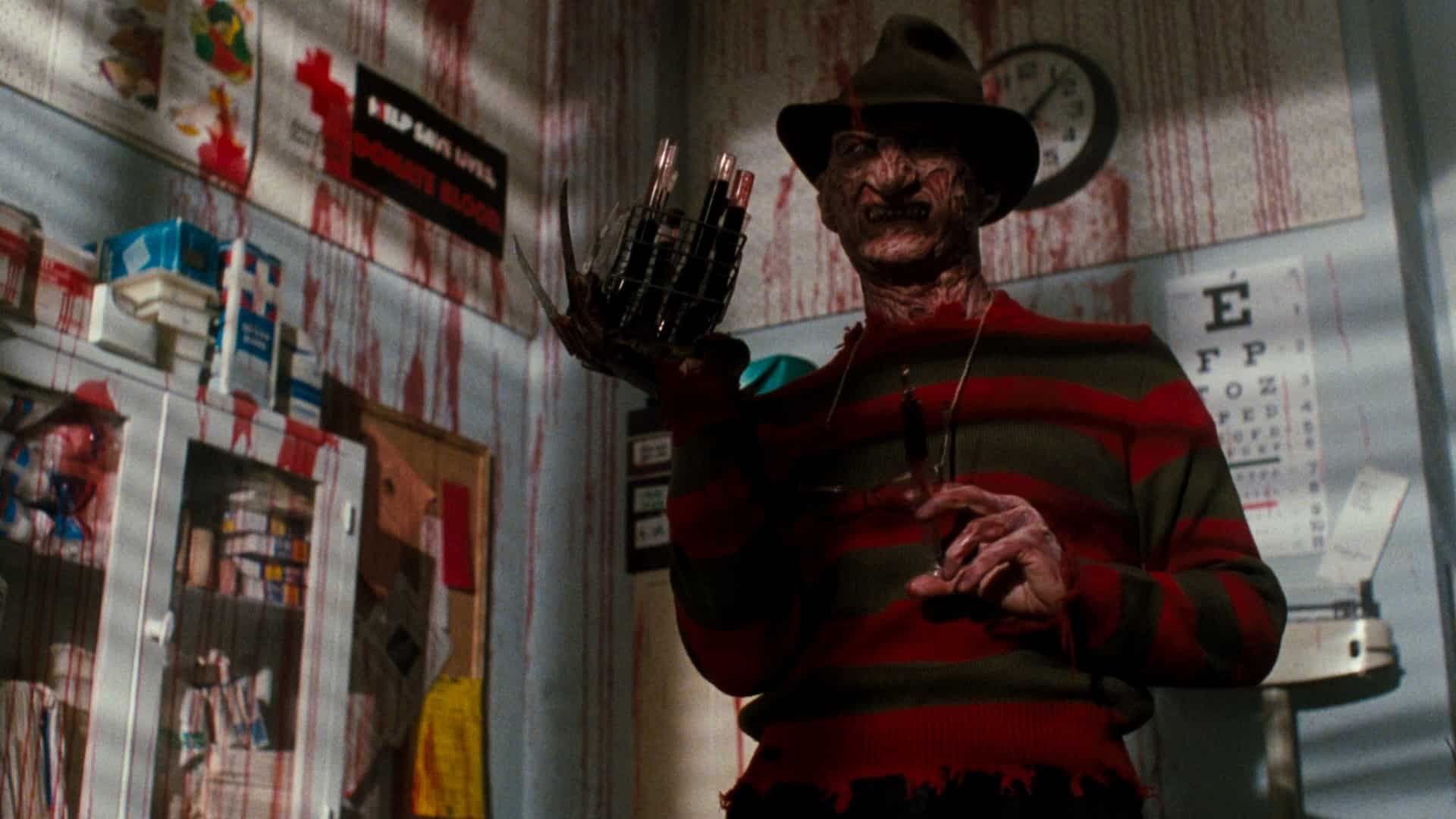
Horror is really good at creating these kinds of iconic characters - Jason, Michael Myers, The Babbadook, Pinhead, and Art the Clown, to name a few - largely because the genre is a space where characters like this can actually exist: with their exaggerated features, strange powers, and deranged personalities.
Which is why you shouldn’t be afraid to craft some weird, memorable characters to populate your horror worlds and stories - whether they’re intended to scare the hell out of your audience, or simply entertain them with their antics.
Happy Halloween!