
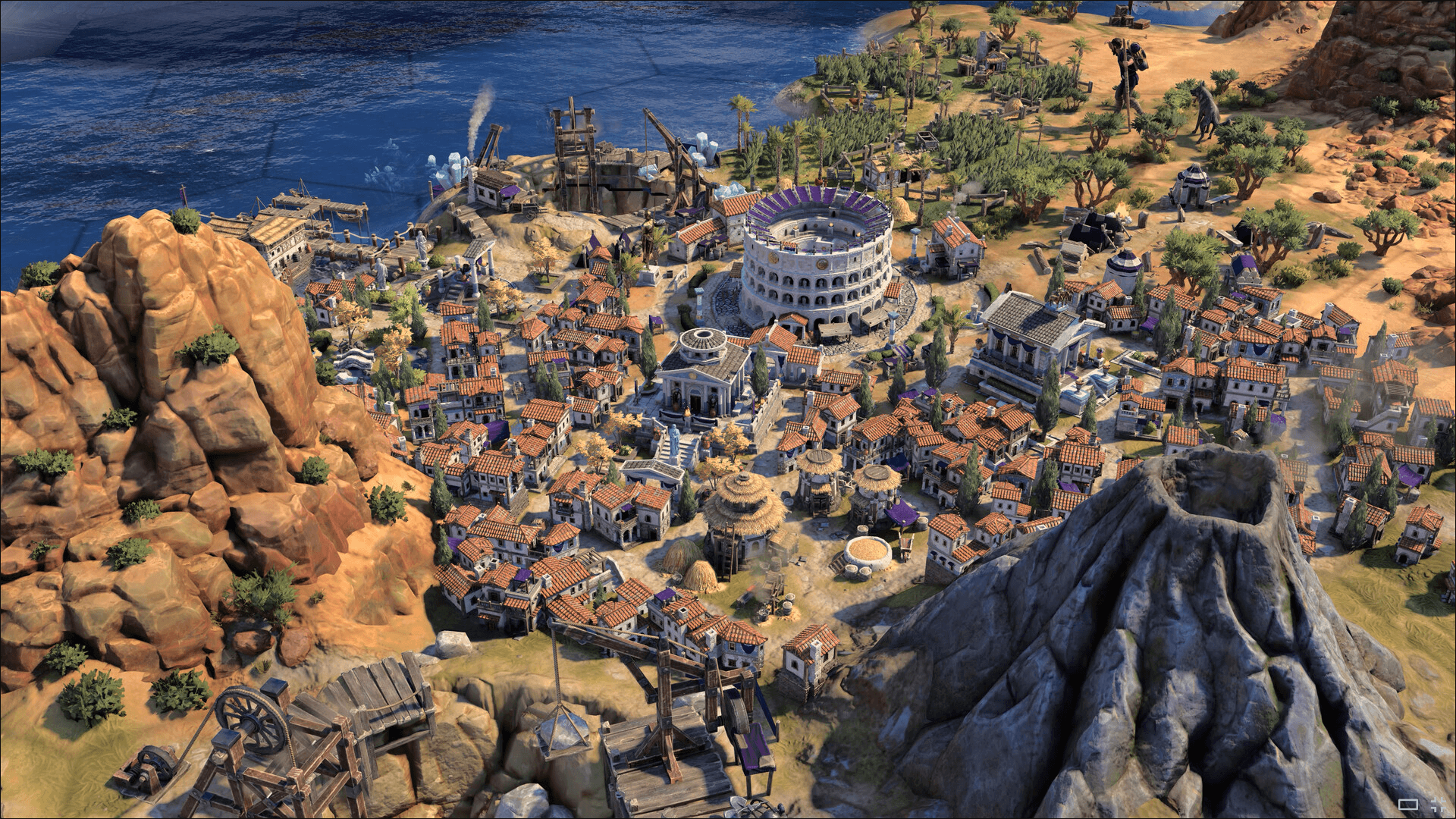
Sid Meier’s Civilization is one of the most influential strategy game series ever created - it combines wargaming, resource management, and delicate decision making all under a strong historical lens. Most of the series sees players taking control of a civilization from real-world history, with the goal of dominating the opposing civilizations; whether through military; cultural; science; or economic power.
The latest entry, Civilization VII, was controversial at its release thanks to the fact that it made some radical changes to the formula. Rather than players taking control of a single civilization throughout an entire game, they had to now switch civilizations across three core ages, whilst keeping the leader they chose at the very beginning. (Though a recent update provided players with the option to stick with the same civilization during a single game.)
Despite being so divisive, when it comes to historical worldbuilding there’s a fair amount we can learn from Civilization VII’s Ages system.
Historical identifiers
Each Age in Civilization VII is reflective of a broad period of time in human history: the Antiquity Age represents the beginnings of civilization (the formation of the first empires, the founding of the first religions, and the early scientific discoveries), the Exploration Age reflects the period in which empires ventured further across the globe (the creation of trading companies, the mass religious conversions, the ‘founding’ of new worlds), and the Modern Age (the construction of the railroad, the race for ancient artifacts, and the launching of the first rocket ships).

In the original version of Civ VII, you can only choose from a select list of civilizations per Age - with these civilizations being limited to whichever Age they’re most historically accurate to.This directly addresses one of the past criticisms of the series - that you could play as modern civilizations in ancient times and visa-versa. This change means that civilizations keep their own distinct identities that reflect the world in which they were formed.
How can the civilizations in your world reflect their respective ages and present their own distinct identities? By giving the societies, cultures, and people across your world’s history their own unique elements you can tell their stories more clearly, and make your world feel far more rich and immersive.
Logical cause and effect
When moving between Ages in Civilization VII your choices of new civilization won’t just be restricted by historical accuracy, but also by which civilization you played in the previous age, as well as some key choices you made. For example, playing as the Romans in the Antiquity Age will allow you to choose Spain in the Exploration Age (due to the fact that the Roman empire covered most of Western Europe at its height) or improving a tea resource will enable you to pick Meiji Japan in the Modern Age.
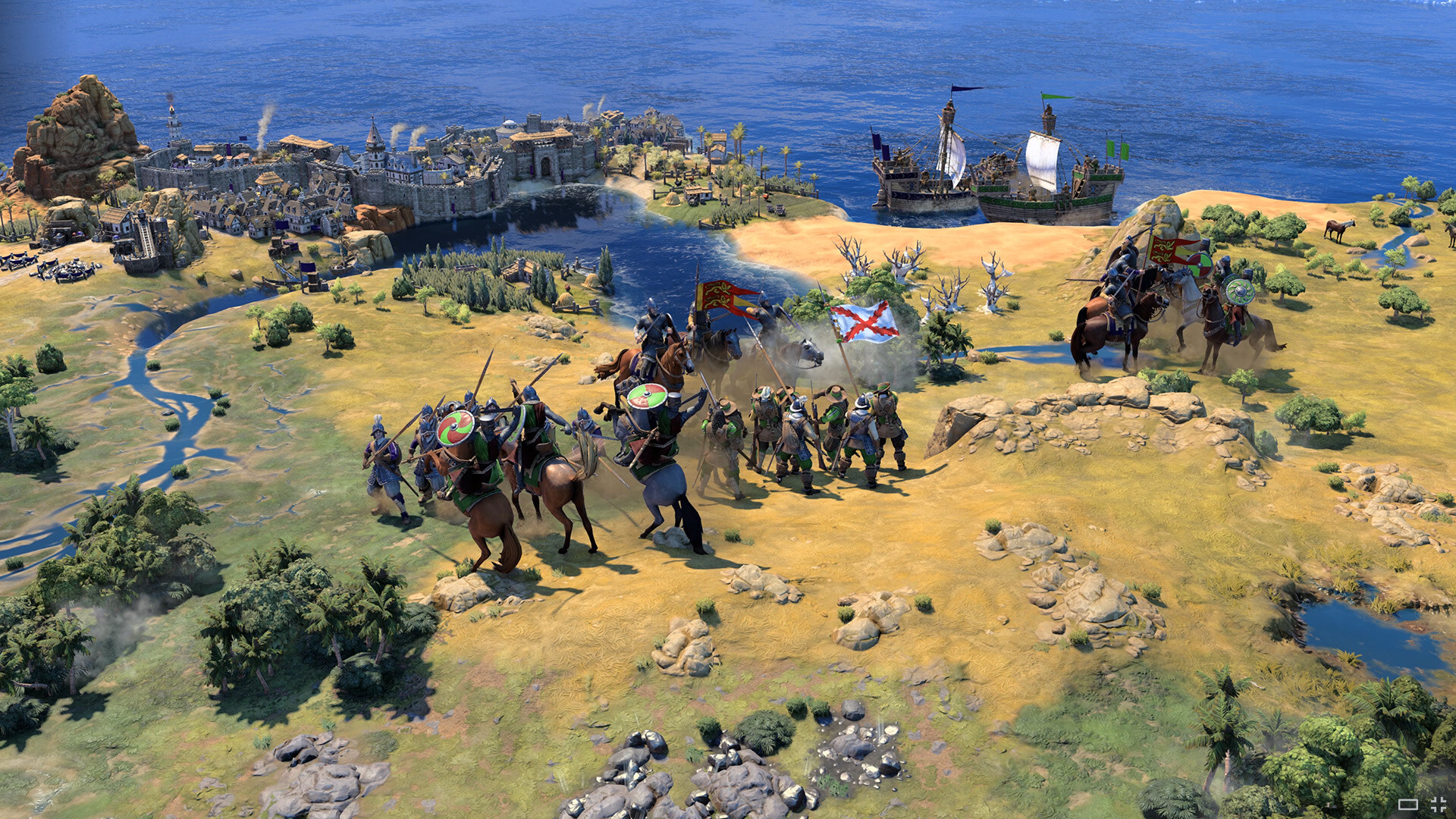
This is a really great way of illustrating how human history works, with new empires rising from the ashes or the remains of old ones, their identities being at least partly shaped by those who came before them. It gives Civ VII a level of historical authenticity and a form of evolving storytelling, representing how societies change over the years.
How could you reflect history’s evolution in your worldbuilding? Illustrating how different layers of history bleed into the next, and how choices have their logical consequences (which the LegendKeeper Timelines feature is really good for, btw), will elevate your world’s lore and setting.
Empires rise and fall
Another key element of the Civ VII Ages system are the Crises, which act as a conclusion to each Age. Crises don’t only serve to challenge players with a fresh set of obstacles to tackle, they also create storylines that chart the end of the various civilizations present within that Age.

These Crisis events can include revolts, invasions, mass plagues, or religious disputes - spelling the downfall of the empires that have just reached their apex. Which Crisis plays out during the Age you’re playing will be influenced by your actions and the actions of your fellow civilizations, making for an excellently immersive experience. Empires must fall so that future civilizations can rise, that is the way of things.
Could this inspire the patterns of your own world’s history? How could you increase the drama and the believability of your world’s history, by injecting some crisis events? Perhaps you could even involve your players and their campaign directly into some of these crisis events? Maybe their actions could even result in a crisis event?
Whether you love or hate Civilization VII, if you’re a fan of Sid Meier’s Civilization then there’s plenty of ways to look for inspiration in this historical strategy series.