
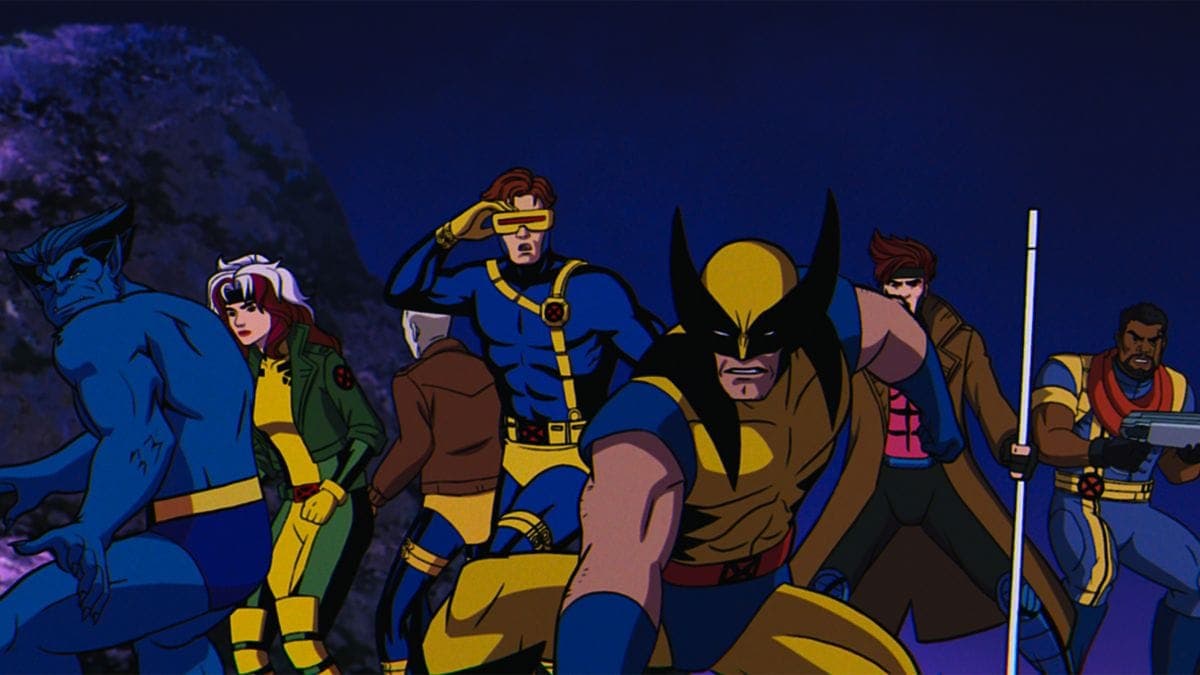
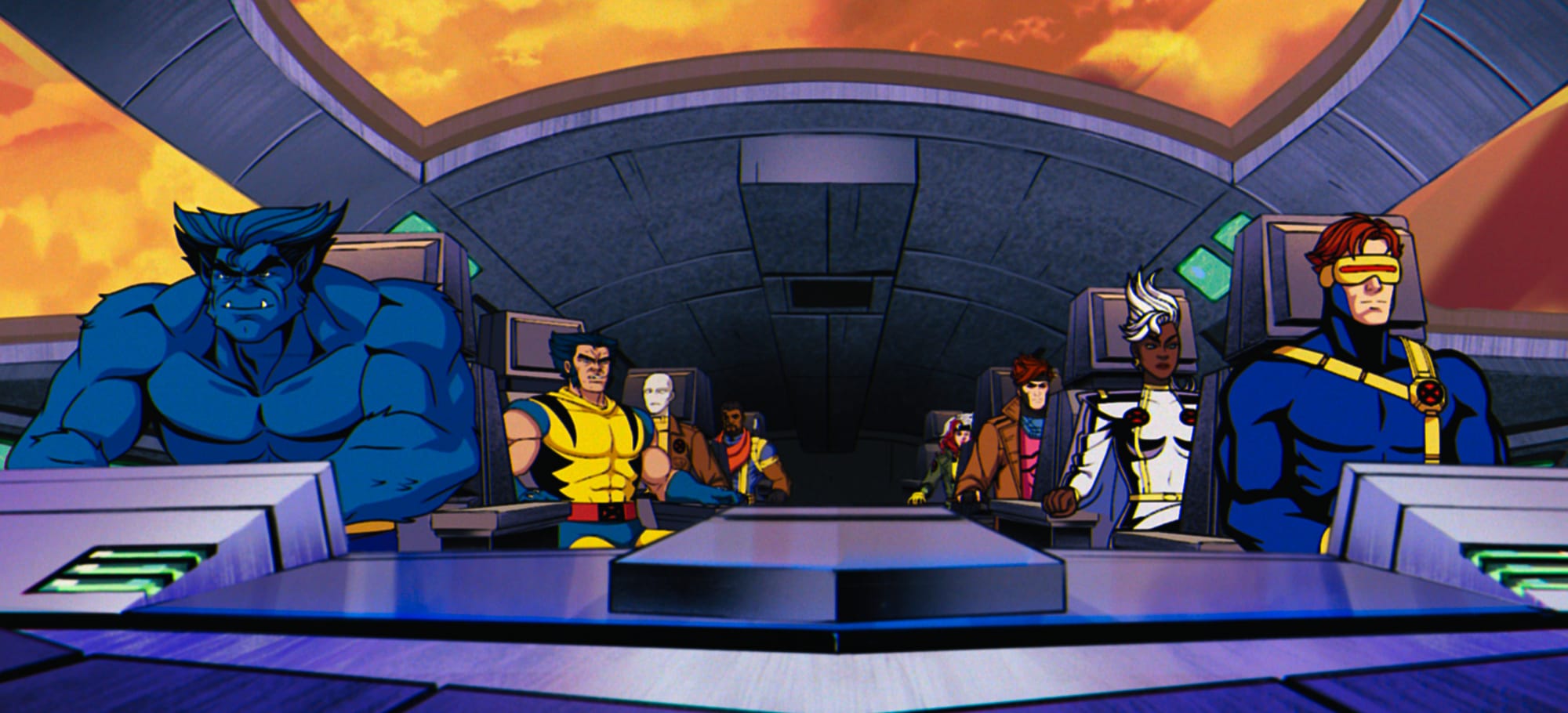
X-Men ‘97 is a modern follow-up to the classic animated series that aired in the 1990s, which roughly adapted the various adventures of Marvel’s most famous mutants. X-Men: The Animated Series is such a well regarded adaptation, that X-Men ‘97 basically just continues where the last season left off: keeping many of the major storylines and versions of the characters first introduced in the original show (albeit, with a much shinier coat of paint).
X-Men ‘97 also follows the Animated Series’ approach to adaptation, by featuring a collection of roughly 10 episodes that include both an overarching storyline alongside a selection of individual stories. This kind of approach to storytelling is perfect for adapting comic books, because it mirrors the structure of needing each issue to tell its own story, whilst still pushing the plot of the writer’s current run forward (like the original Uncanny X-Men run by Chris Claremont and the Uncanny X-Force by Rick Remender).
It’s also a storytelling approach that really suits longer tabletop RPG campaigns, but in this case each game session serves as its own story within the greater narrative of the current campaign (think of how Critical Role formats a season within a campaign). However, this way of telling stories comes with its own set of unique challenges, ones that X-Men ‘97 has sometimes succeeded and sometimes failed at overcoming. Here’s what you can learn from how this comic book adaptation tries to balance episodic and overarching storylines.
Pace your main plot across your entire campaign
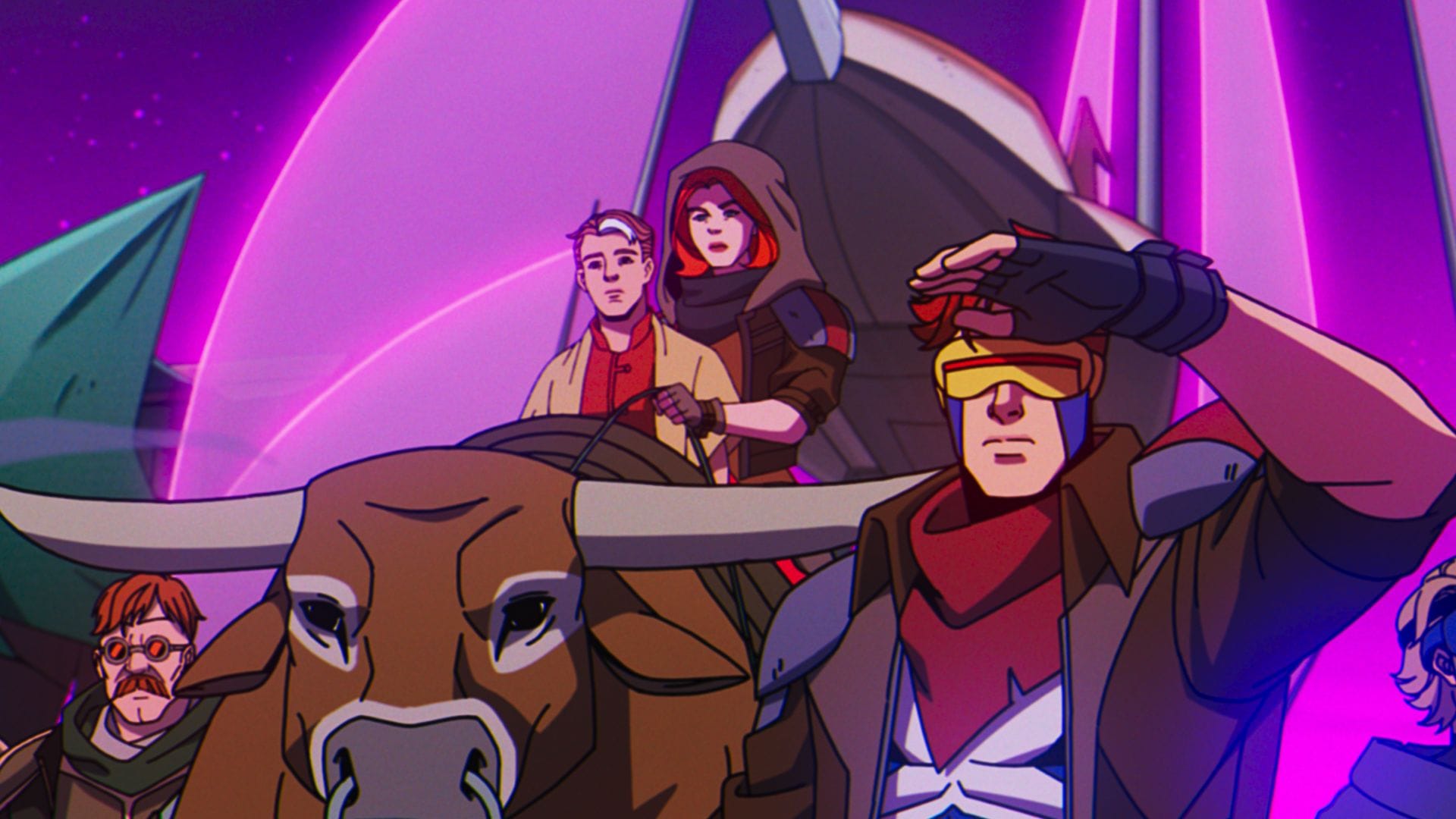
One of the more noticeable criticisms of X-Men ‘97 season 1, is that it doesn’t pace its overarching plot across its 10 episodes as well as it should. By the time the grand climax comes around in the final three episodes, it definitely feels like major elements of it come out of nowhere. Part of this derives from the fact that the identity of this season’s main villain is only revealed in the last few episodes - with several misdirections and red herrings popping up earlier on - along with the first half of the season mostly focusing on one-off storylines and setting up new characters like Sunspot. It definitely felt like some parts of X-Men ‘97’s first season could have fleshed out elements of the main villain, rather than his henchfolk.
Season 2 of X-Men ‘97 fares better on this front, thanks to the fact it presents its core villain, Apocalypse, very early on in the episode timeline. This means that the rest of the season can focus on the various schemes of Apocalypse and the characters associated with him, before culminating in a final confrontation. The mysteries of this season revolved more around what Apocalypse is up to, rather than the entire plot twisting and turning in ways that felt a lot less satisfying by the end.
The key here is to ensure that your players have at least some clues to follow when playing your campaign. This doesn’t have to be as in your face as the main villain declaring themselves and their intentions within the first few game sessions, but something like having a clear goal to work towards. You can still keep some elements of the plot a mystery, but it’s important to provide some direction for your players throughout the campaign. This will hopefully help you to avoid spending most of the climax of your campaign having to provide essential exposition.
Keep your story ambitions achievable
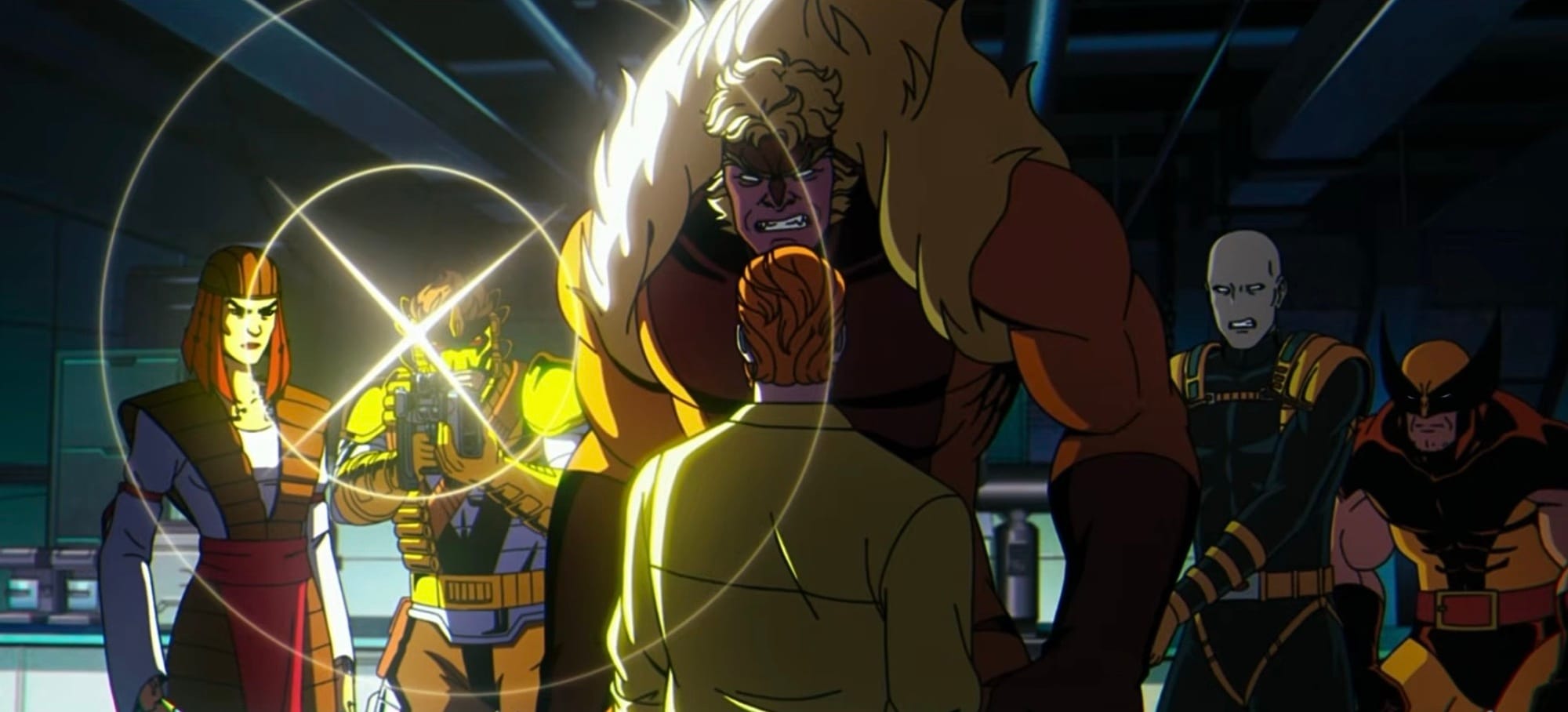
Season 1 and 2 of X-Men ‘97 have some incredibly ambitious moments of storytelling, which are really fantastic when the elements they’ve set up are paid off later down the line. This is especially true when it comes to aspects that are introduced in the climax of season 1, before bearing fruit later down the line during season 2. However, there are also ambitious storylines in X-Men ‘97 that feel a lot less satisfying, especially when they weren't given enough screentime to really pay off.
This is especially true when we’re talking about storylines like Charles’ time with the Shi’ar and Wolverine & Morph’s encounters with The Brood: which both feel like they should have either been their own seasons or have been cut out entirely (though Weapon X, Lies, and DVDs is a good exploration of the relationship between Morph and Wolverine). Having highly ambitious storylines that are underdeveloped, just feel like they’re cutting into focus that could have been spent on polishing stories that have a stronger command of the season.
If you want to attempt a particularly ambitious storyline in your own TTRPG campaign, it’s best to understand what your limits are first. Does this need to take up most of the playtime or can be covered in a couple of sessions? If it isn’t, then maybe it needs to be shelved until it can have its own campaign? Don’t risk undermining the main plot of your campaign, by trying to squash it alongside other - equally ambitious - story ideas.
Your storylines live and die by their core themes
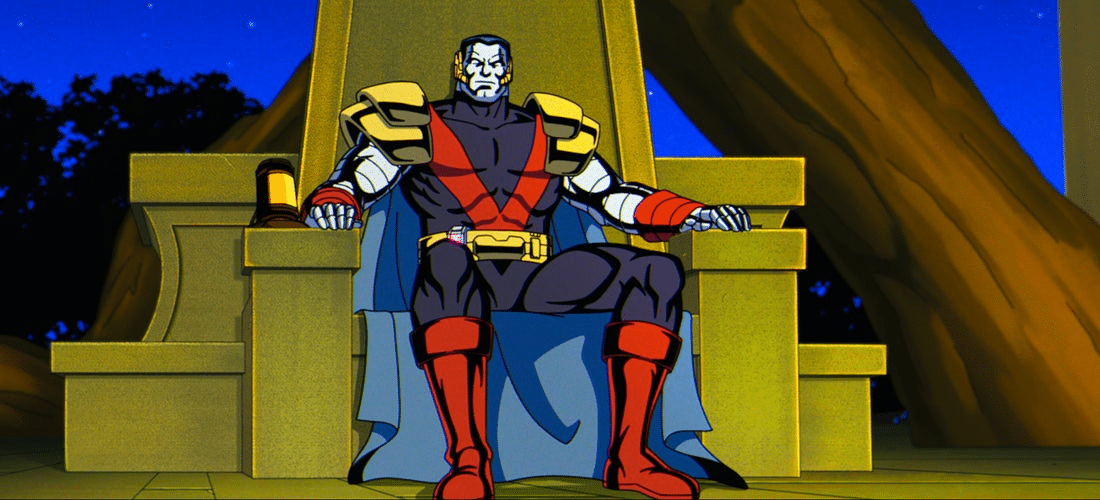
The best episodes in X-Men ‘97 are easily the ones that closely follow the core themes set out by the current season and the show as a whole. Though season 1 is a little lopsided in terms of quality, those last few episodes are legitimately really great. A huge reason for this is that they focus on the complex relationship between Charles and Eric, as they try to find a balance between their disparate perspectives on mutant and human relations, which are some of the strongest and most enduring ideas in X-Men history.
In season 2, X-Men ‘97 is at its best when it’s laser-focused on the core ideas of the people you love being the reason why you keep fighting, rather than them being a weakness to your survival. The strength of S2, is that it feels like it touches on this core theme more consistently, even in episodes that are less directly related to the plot - such as Weapon X, Lies, and DVDs, and Strange Land, Savage Heart.
Though seasons 1 and 2 bounce about a fair amount - largely depending on which characters they’re following - they’re most successful when they’re able to tie their storylines back to those core themes or ideas that they’re trying to establish.
This same principle goes for your roleplaying game campaign. It’s important to understand the core themes of your campaign early, so that you can ensure that they’re introduced, developed, and reinforced through the course of your story. They can also act as a guiding light for your storytelling, providing you with direction for your next plot-important moment, character, and scenes. As long as your core themes are somewhat involved, you know you’re on the right path.
Closing thoughts
Balancing the episodic needs of each game session with the overarching storyline of your campaign is really a matter of prioritizing - which story elements need more focus; when do players need a break from the main plot; when should certain characters step into the spotlight; and where can you seed key themes? X-Men ‘97 shows that you don’t need to be hitting all the right buttons all the time, just enough of the time to make the experience memorable. And remember, playing a TTRPG is more about enabling your players to drive the narrative, then trying to tell the coolest story ever.