
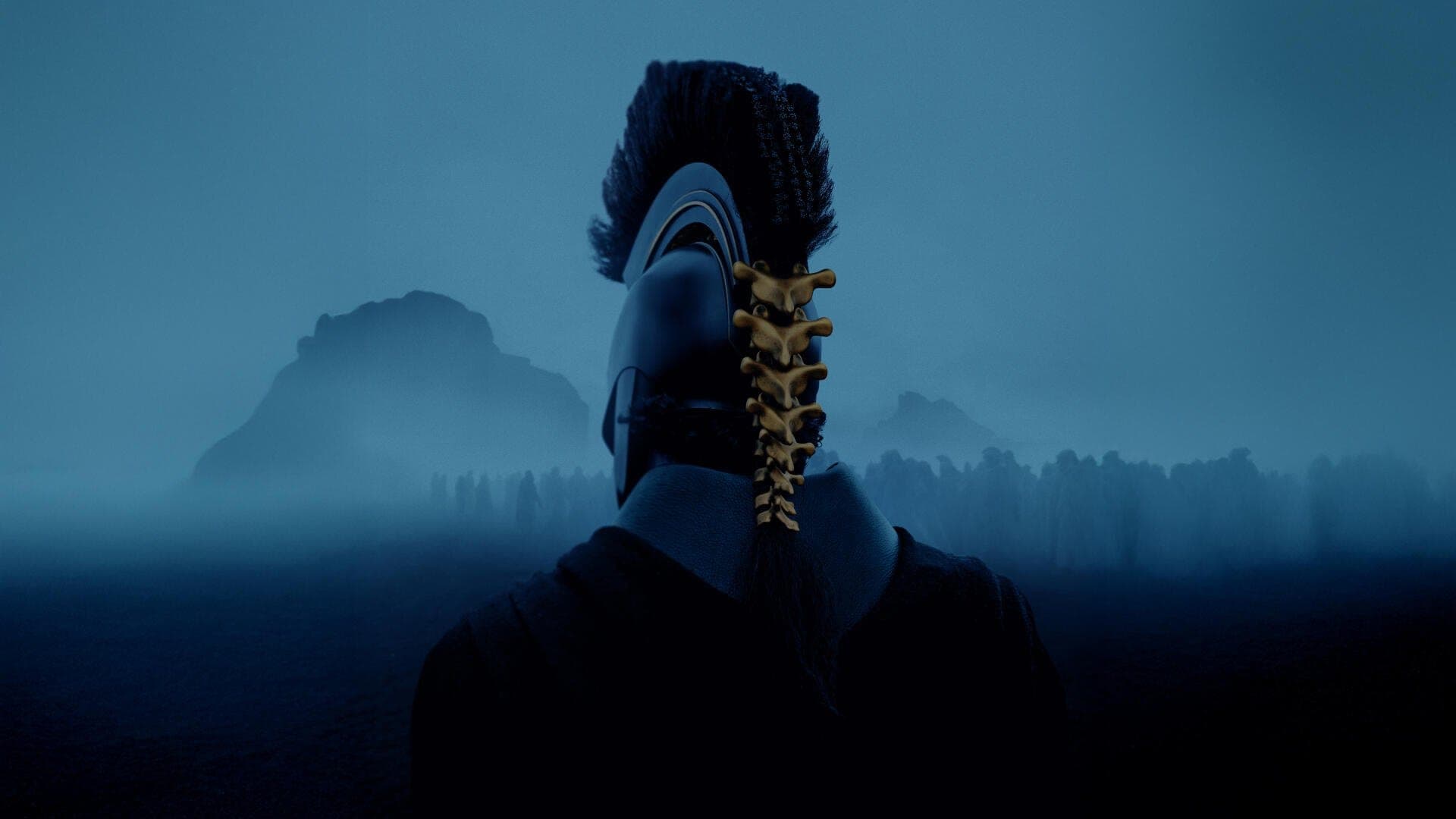
The Odyssey is one of the oldest recorded pieces of literature in human history, charting the journey of Odysseus as he attempts to return home after fighting in the Trojan War. It’s also really long, but it’s not really the number of words that makes Homer’s Odyssey such a lengthy story, it’s more how many things actually happen. On his voyage home, Odysseus experiences several lifetimes worth of adventures, bouncing from one shenanigan to the next over the space of 10 years. It’s a heck of a lot to squeeze into a single story.
The Odyssey is actually a written version of the original story that was first created via ancient Grecian oral traditions: meaning that people would gather around to hear the story being told from memory by a narrator. Though Homer is who we credit with the story now, Odyssey was more than likely the creation of several storytellers who each performed their own unique versions of the tale. In this context, the incredibly busy nature of Homer’s Odyssey makes a lot more sense, as it was designed to be told across several sittings and in a way that audiences could jump in-and-out at any point. It meant that, no matter which part of the story audiences sat down to hear, they would always get to experience something engaging and compelling.
Which is why Christopher Nolan’s recent film adaptation of Homer’s Odyssey (which released in cinemas earlier this month) must have been quite the challenge. It’s why so many previous movie adaptations have taken such unconventional approaches: from the experimental science fiction interpretation of 2001: A Space Odyssey to the musical comedy of the Coen Brothers’ O Brother, Where Art Thou?. It’s really difficult to tell a story like Odyssey in a way that’s intended to be experienced in just a single sitting, like a film.
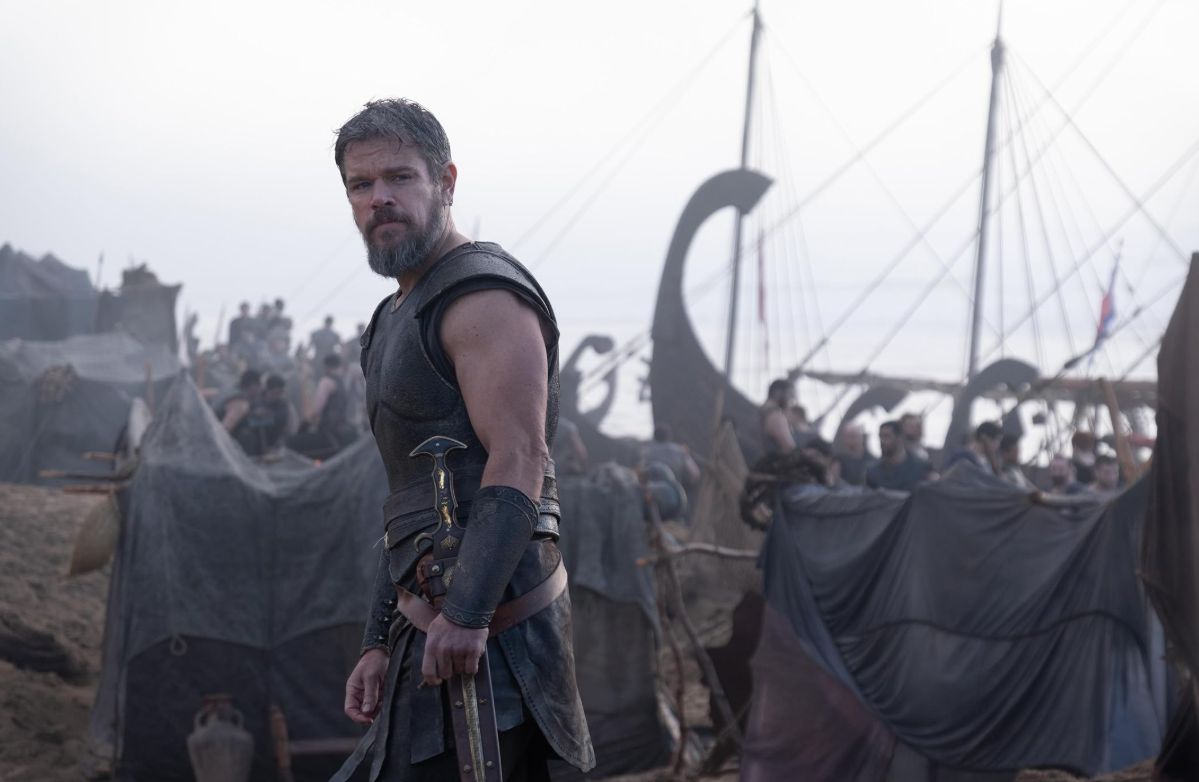
However, Homer’s Odyssey is a fantastic example of the kind of stories that are great to tell via a long-form roleplaying game campaign, largely because of the narrative structure and the fact that it is jam-packed with adventures.
There’s a huge variety of stories featured in Odyssey, from Odysseus’ crew eating an intoxicating fruit that briefly causes them to forget their journey, to an encounter with a many-headed sea monster. These stories range greatly in terms of genre, emotional tone, and central theme: with one story depicting the action packed escape from a viscous whirlpool, to another the touching and melancholic reunion of an aged dog and his long-lost owner. This variety really supports the episodic nature of Homer’s Odyssey, by providing audiences with a vastly different experience in each of the poem’s 24 books. A good long-form TTRPG campaign should also offer its players plenty of variety throughout, ensuring that they remain engaged and get to experience different aspects of the world you’ve created.
How Odysseus and his crew navigate the various obstacles they face in their journey home also shows a lot of variety. From intoxicating and blinding a cyclops, to stuffing their ears with beeswax to avoid the lure of the sirens, to Zeus & Hermes negotiating the release of Odysseus from Calypso, Odyssey sees its characters utilizing their strength, wits, charm, and negotiating skills - as well as just plain luck or destiny - to tackle challenges. Consider how you could accommodate your players’ different approaches to the obstacles you put in their way. Just like with the original storytellers of Odyssey, sometimes the best thing you can do is leave room to freestyle things in the moment and encourage your players to come up with their own solutions.
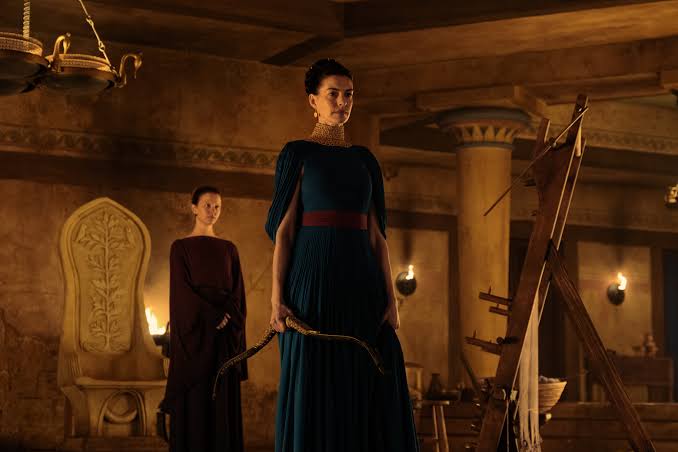
Though Odysseus was eventually able to make it back home to his wife and son, it wasn’t without some losses along the way. Odysseus and his crew certainly made some foolhardy decisions that came back to bite them in the ass: releasing the bag of winds right as they were about to reach Ithaca, revealing to Poseidon that Odysseus was the one who killed his cyclops son, or Odysseus staying and sleeping with multiple women who were not his wife. All of these choices made the journey much harsher and much longer, with Odysseus eventually being the only one who manages to return home in one piece - albeit it, after 10 whole years. Think about your players’ choices - what consequences could you devise? How could you use their own actions to further complicate their adventures? What shortcuts did they take? Who did they piss off? What is the price to pay to continue moving forward? This line of thinking can not only provide ample inspiration for your campaign’s adventures, but also helps to further immerse players in your world and story.
Homer’s Odyssey continues to prove itself as one of the most influential pieces of literature ever created, even thousands of years after it was conceived and even for tabletop roleplaying games - which I think is pretty awesome.