
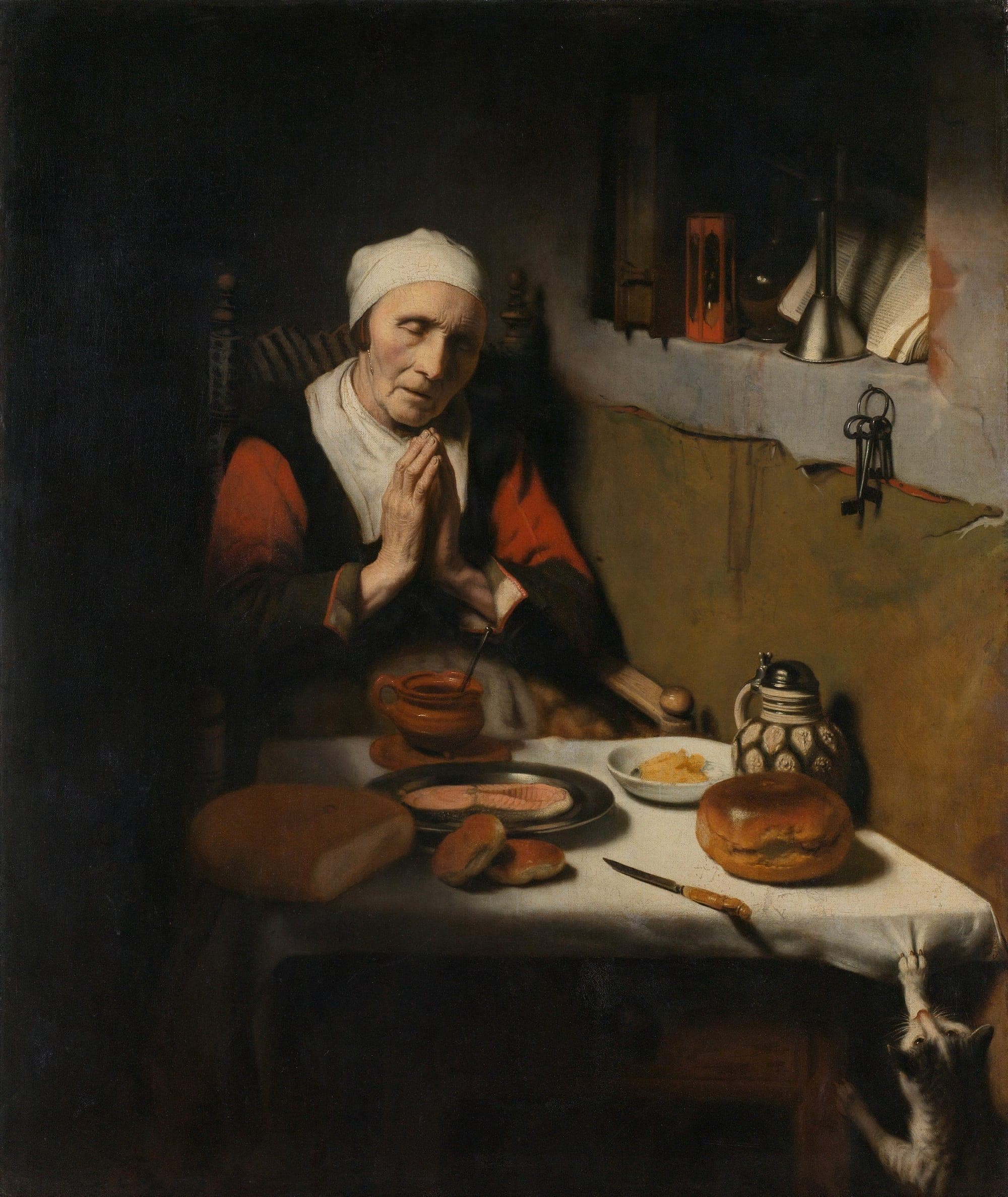
Food is an essential part of most people’s lives, both real and fictional. What a person or group of people choses to eat and how they eat it, can you tell you a lot about them and their world.
One example of this can be found in Brandon Sanderson’s The Stormlight Archive book series, which features a region called Alethkar wherein women and men are expected to eat entirely different types of food, to reflect their roles within Alethkar society.
Including examples of food worldbuilding in your own TTRPG campaigns can help you to further immerse your players in a completely unique and unobtrusive manner. Here are just some of the ways that you could use food to further improve your own worldbuilding:
Environmental storytelling
Imagine your players walk into the only tavern or inn within miles, sit down and glance at the menu - the dishes served could be a good indication of the sort of environment they’re currently visiting. If a place is poorly connected - and thus is unable to benefit from trade - then it will likely be relying on whatever local ingredients folks can get their hands on.
You could tell the story of a community of resourceful people living under the blasting heat of the desert sun, who find sustenance via the resilient plants and hardy animals that populate the area. Perhaps they have a ritual every year to choose a new batch of recruits to join a revered hunting party, who must brave the harsh conditions of the desert and use their knowledge of the local wildlife and plantlife to find food for their people. This kind of worldbuilding can really immerse your players in the different regions you’ve created, offering a tapestry of unique and memorable locations for them to explore.
Ecosystem storytelling
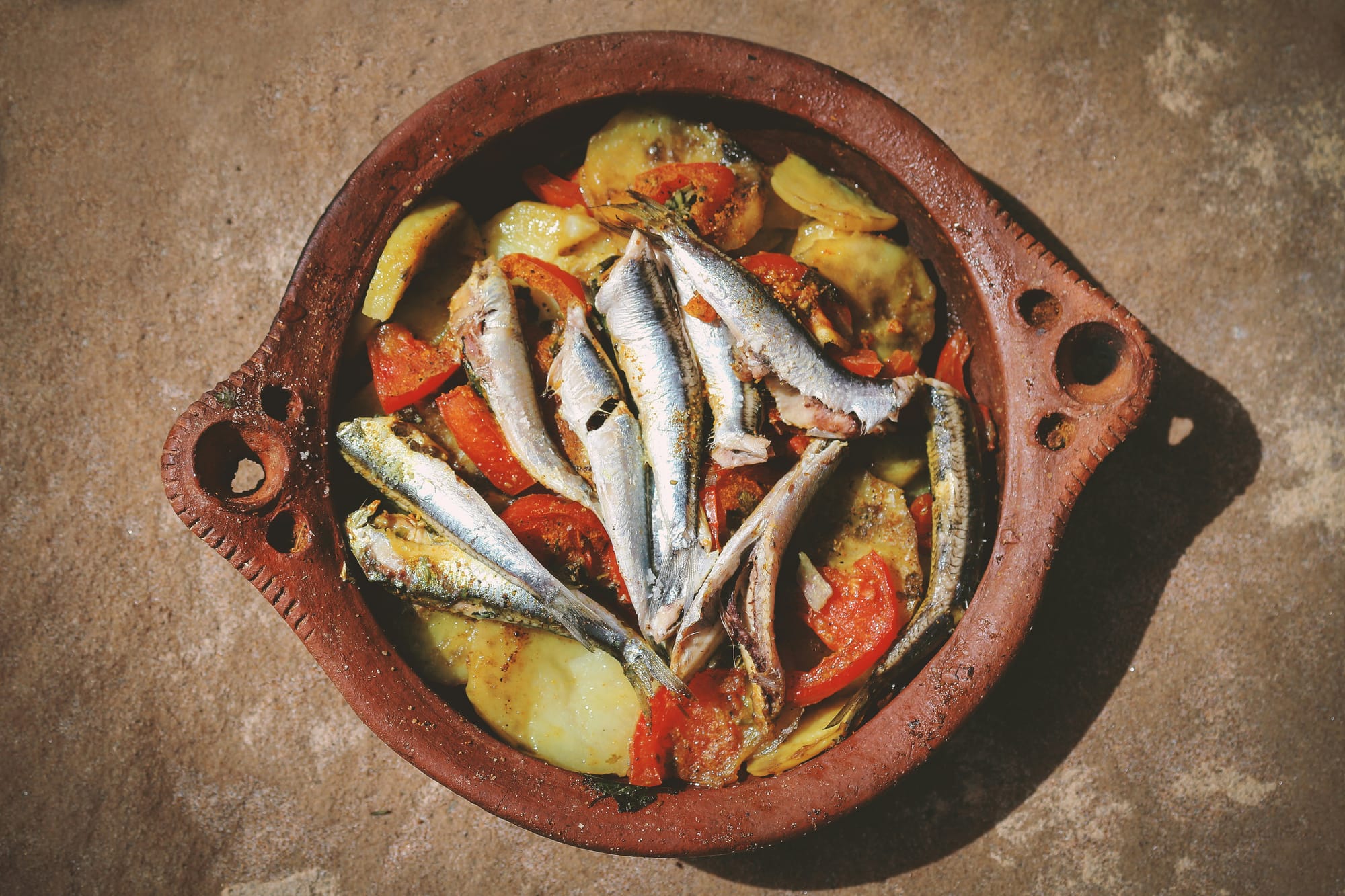
What people eat can also reveal key information about the ecosystem in the surrounding area. You don’t need to have your players directly interact with the wildlife for them to learn about what sorts of creatures can be found somewhere - they could eat them instead. For instance, a civilization that lives entirely on the water will likely have a very fish-heavy diet, but you could include details about specific species to add more flavour to your world. Maybe these folks are able to access a rarer, more unique kind of fish or mollusk thanks to the fact that they’re able to fish at any time from their homes. Perhaps another village based on the coastline doesn't serve the same type of fish, because they’re not able to fish at all hours of the day.
From this, you can give your players a better idea of the kinds of lives the people of your world live, as well as the sorts of weird and wonderful creatures that populate it.
Cultural storytelling
Preparing and eating food is a huge part of every culture. Real-world examples include rice being featured in almost every Japanese meal, muslim families practicing fasting during Ramadan, and certain cultures who use foods like fufu and flatbreads as a vehicle for sauces and curries. All of these examples have their own stories and histories behind them that make their corresponding cultures unique.
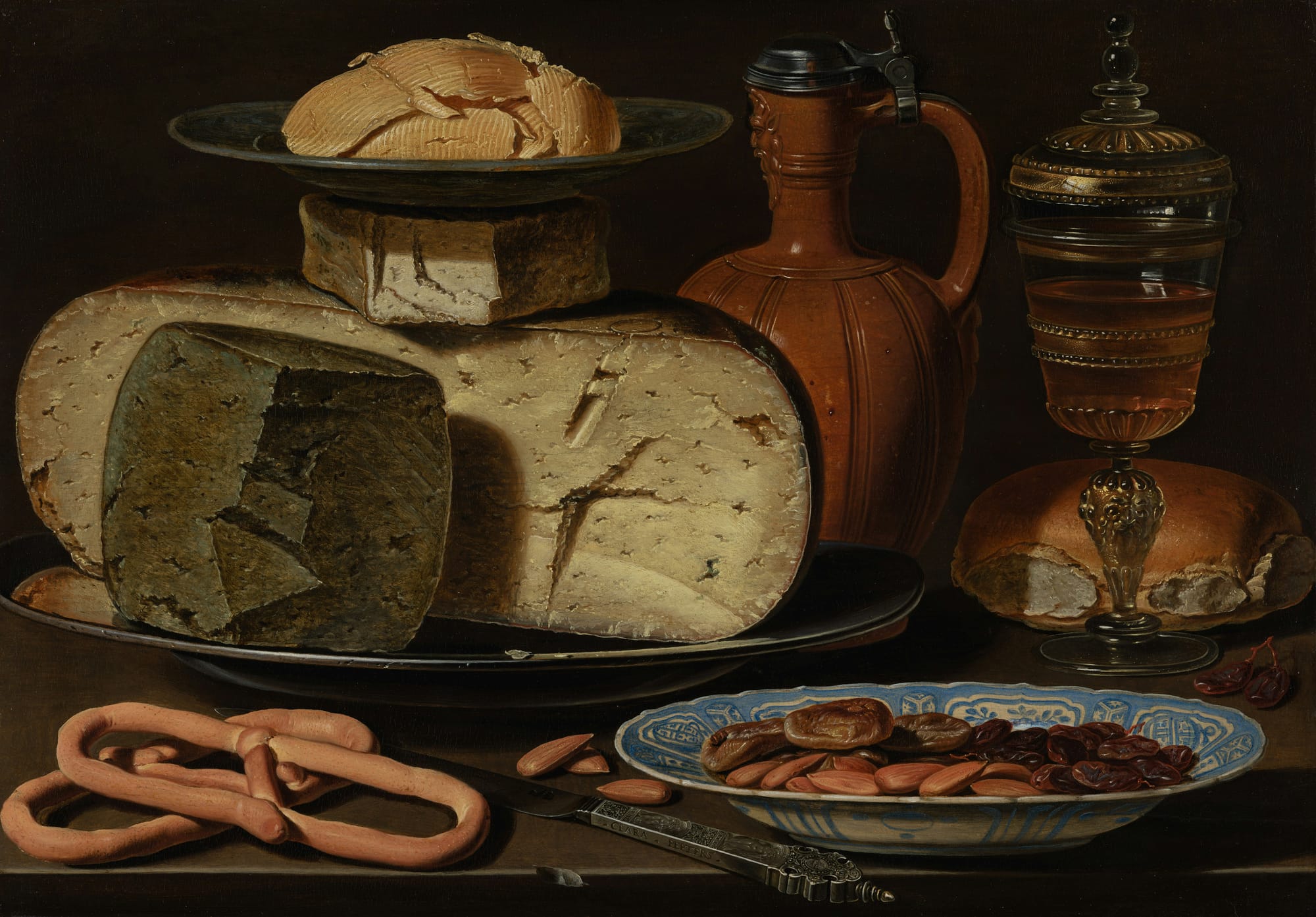
You can make the cultures in your own TTRPG world/s feel more unique and immersive by giving them their own food habits, dishes and traditions. Perhaps the cultures in your world have their own holidays, wherein certain dishes are commonly served and customs followed, such as when mooncakes are eaten during Chinese autumn festivals to represent the tradition of moon watching.
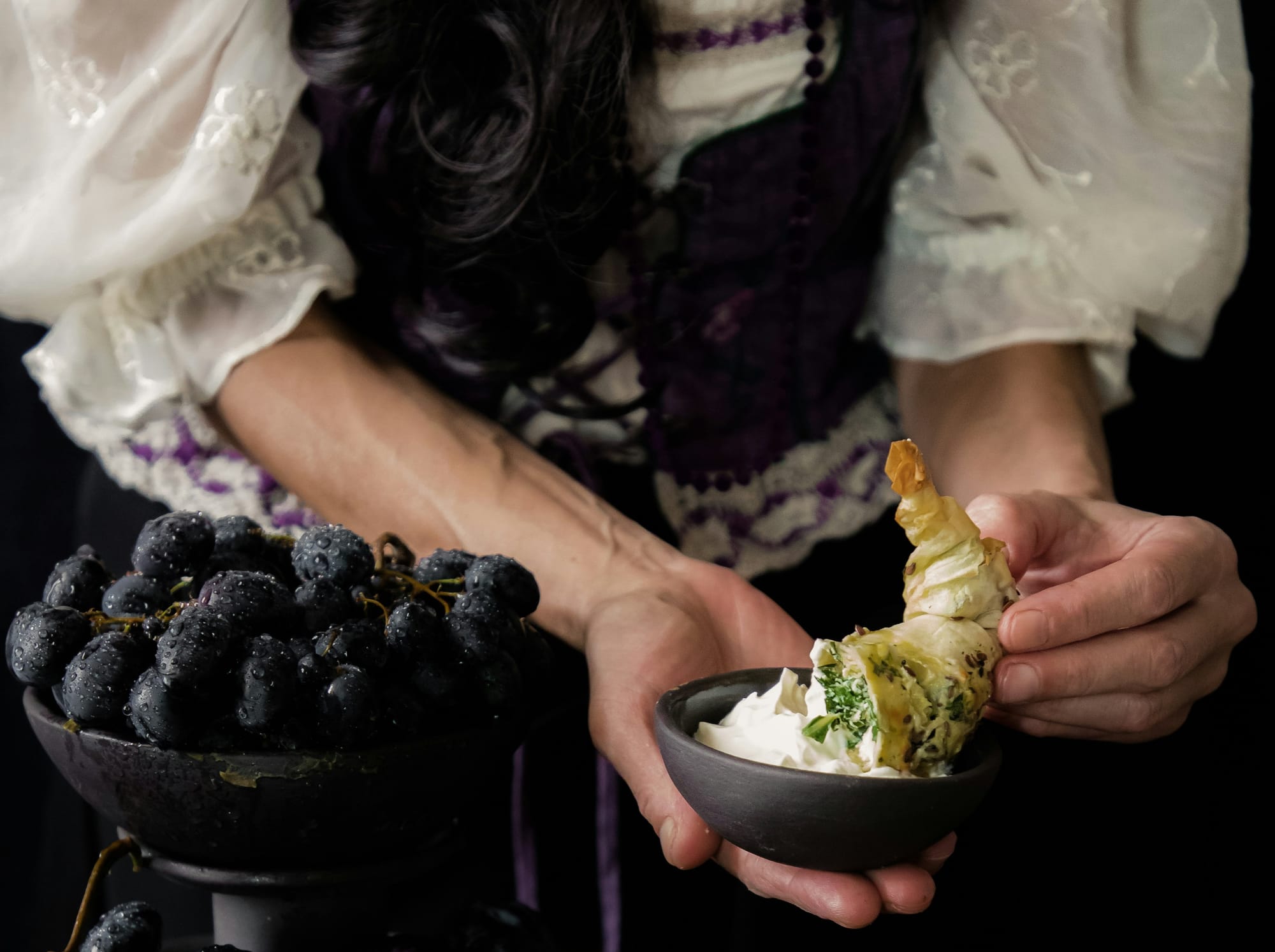
Maybe one of your cultures traditionally serves and eats a green-coloured sweet during a particular festival, to represent the leaves of the mighty tree their homes were first built within. Or perhaps the culture abstains from eating meat during a particular time of year to respect a nature goddess, or to represent the rejection of aggression or violence.
Economic storytelling
The food that people in a certain region, area or city eat can also illustrate the kind of economic environment they’re currently living in. Folks who are able to eat a varied diet featuring ingredients that are either rare or difficult to access, are going to be a lot more economically stable than people with a comparatively restrictive diet of common, easily sourced ingredients.
You could tell a story about class division and economic divides in your world, through the different foods that people eat. One section of your city could have unlimited access to fresh fruits, vegetables and livestock, flavoured with spices and herbs from far-off regions, whilst another section might be almost entirely reliant on an easy-to-cultivate ingredient with a lot of carbohydrates, designed to fuel long hours of hard labour.
Perhaps the less fortunate members of your city have even developed their own traditional recipes designed to make the most of what they have, crafting hearty meals through pure ingenuity. Real-world examples of this include Italian pizza - which was originally considered to be a peasant food - and the British cornish pasty, both of which were created to cheaply feed a working population, but have since become cultural staples.