
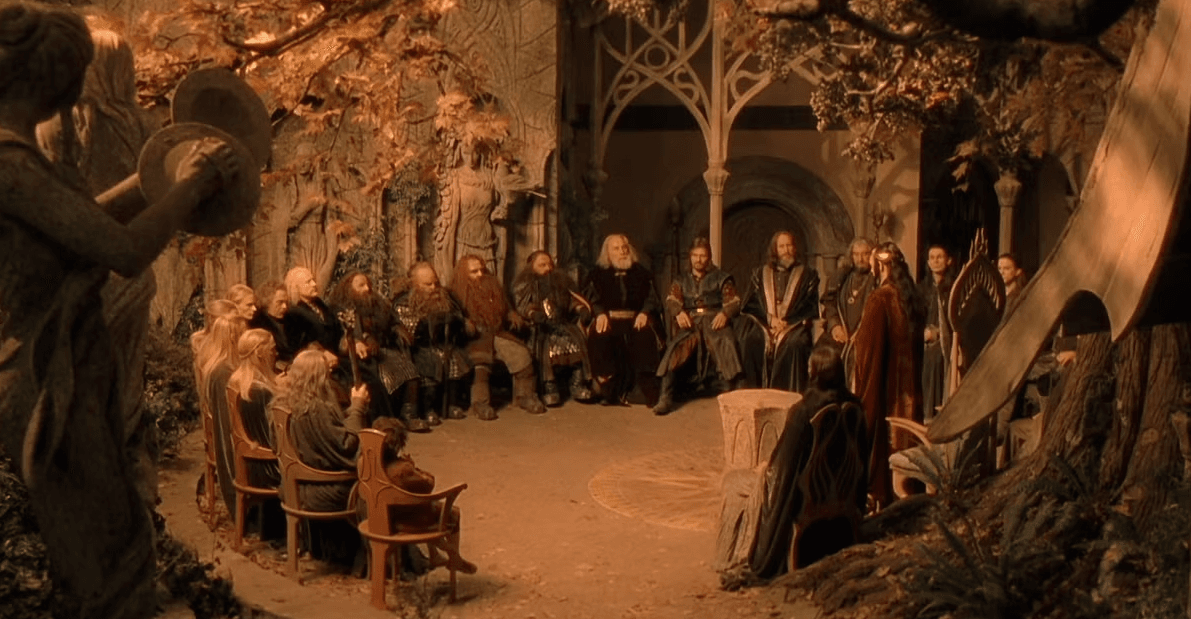
This month saw the 25th anniversary of Peter Jackson’s beloved adaptations of JRR Tolkien’s The Lord of the Rings trilogy, with fans celebrating by attending various cinema screenings of all three films happening worldwide.
The Lord of the Rings has remained culturally relevant, even 70 years after the release of the books, partly because of Jackson’s films, but also because of the impact it’s had on modern worldbuilding. Though far from the first example of worldbuilding, TLOTR has irrevocably helped to shape the way we approach creating our own fictional universes - it’s essentially become the blueprint, thanks to the influence it’s had on authors and creators.
But what makes Middle-earth work so well, what can ambitious worldbuilders take from its successes, and how can we improve on them?
A collection of species with defining characteristics that make them memorable
Middle-earth is populated by a variety of species, each with their own defining characteristics that set them apart from one another.
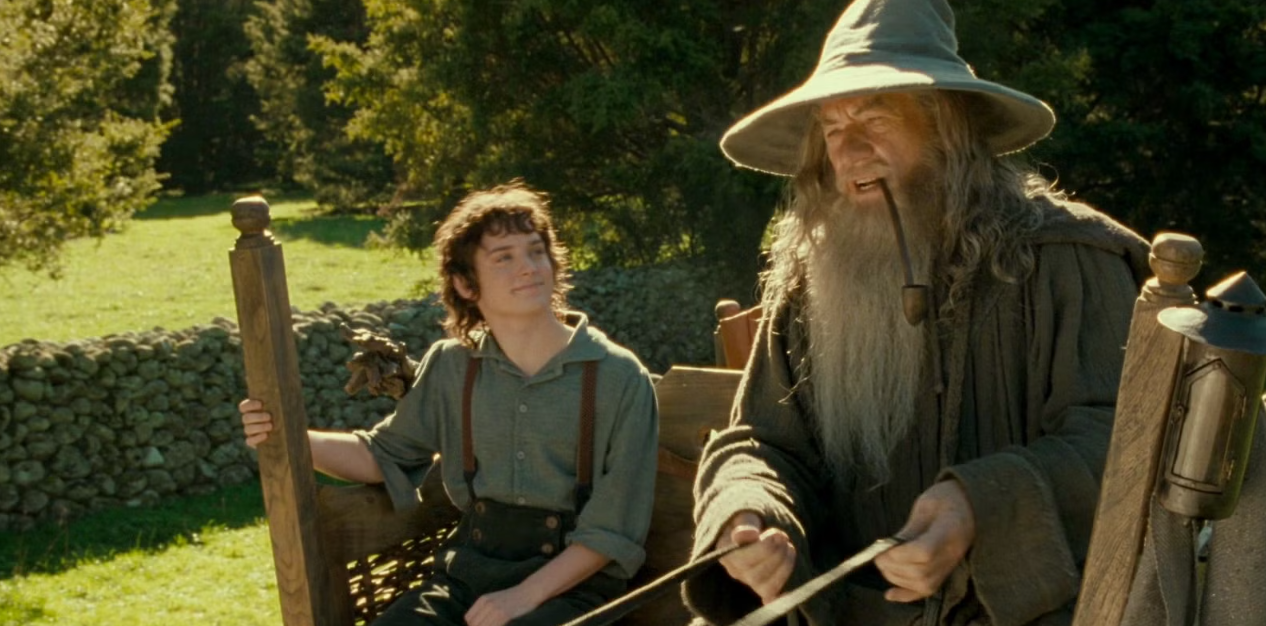
Hobbits are known for their love of a quiet life, second breakfasts, and village gossip. Men are ambitious, combative, and resilient. Elves are meditative, pacifist (most of the time), and long-lived. Dwarves are nostalgic, boisterous, and appreciate fine craftsmanship. Assigning key traits to each of the core species in Middle-earth, gives readers a clear understanding of what each group is about, and how they play into the story.
The downside of this kind of approach means that certain species get to be more complex than others, with the orcs and goblins being relegated to cannon fodder for our heroes. There’s also the fact that some of these species - such as the Dwarves and Easterlings - were influenced by harmful stereotypes, making their core depiction feel simplistic and problematic.
This can be avoided by starting with a handful of well-informed core traits, but building these out with further nuance.
Pulls from strong influences that shape the entire world
Though The Lord of the Rings might be highly influential itself, it owes a lot to the elements that influenced its creation: namely classic literature, languages, myths, and legends.
Tolkien studied both the Classics and English Literature at university, before producing a translation of Sir Gawain and the Green Knight early in his literary career. The Classics commonly refers to Greek Epics like The Iliad and The Odyssey, whilst Sir Gawain and the Green Knight remains one of the most well-known Medieval texts in the English language.
These studies, alongside Tolkien’s work translating old languages like Middle English, clearly informed his approach to worldbuilding in The Lord of the Rings. They can be found in the epic size and scope of the world, the heavy emphasis on languages, and a general sense of nostalgia for a time long past.
Identify the key influences behind your world and don’t be afraid to pull from them, but be sure to choose things that strongly resonate with you, not just influences that seem obvious - as this will help you create something more unique.
Details, details, details…
Something that undoubtedly makes Middle-earth so immersive is the sheer attention to detail. Tolkien spent years and years developing his world before writing The Lord of the Rings: creating its languages, fleshing out its history, imagining its geography, and more.
Though you could argue that Tolkien did overdo some aspects of worldbuilding, which can clog up certain parts of The Lord of the Rings, his thoroughness does a lot to make Middle-earth feel like a living, breathing place.
Writing out a rich history for cities like Minas Tirith and Helm’s Deep, informs their importance in the world and the story, heightening the stakes when they’re under attack from Sauron's armies. Developing an original language like Elvish, tells as more about the Elves, their role in Middle-earth, and how they view the world around them - making them more believable. Even the many songs featured throughout The Lord of the Rings, as lengthy as they can sometimes feel, provide an insight into these characters’ lives and the things they care about.
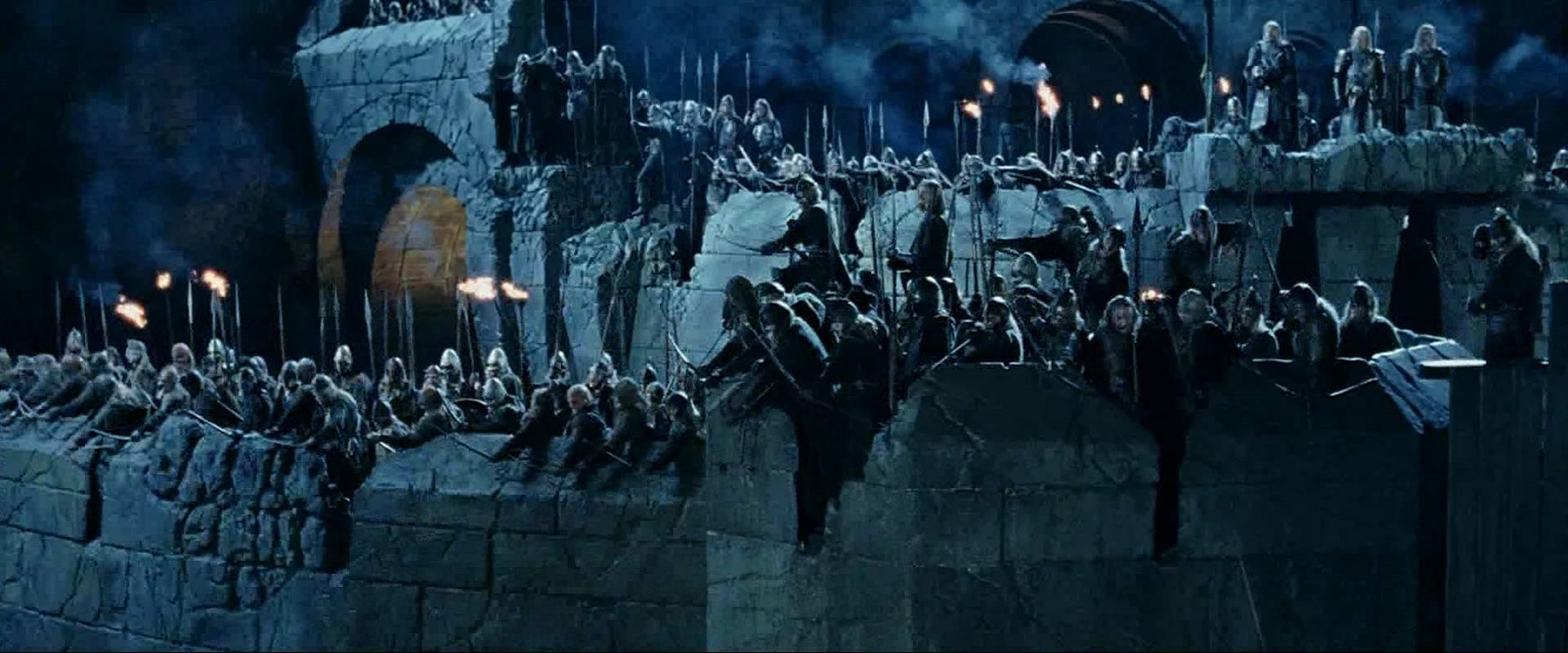
Details are the special ingredient in any well-constructed fictional world, they seal the deal with your audience, and without them worlds can feel empty and shallow.
In conclusion: There are more fictional worlds than Middle-earth
Middle-earth deserves its place as one of the most influential examples of modern worldbuilding. However, being as influential as it is, Middle-earth has been thoroughly milked by its successors, making worlds that rely on it too much feel tired. You should definitely seek out a variety of worlds for inspiration, besides Middle-earth, to avoid this staleness. Here are some excellent examples:
- Earthsea by Ursula Le Guin (From the Earthsea Cycle)
- The world of Broken Earth by NK Jemisin (From the Broken Earth Trilogy)
- Nikan by RF Kuang (From The Poppy War Series)
- Dune by Frank Herbert (From the Dune Franchise)
- The world of The Wheel of Time by Robert Jordan (From The Wheel of Time Series)
- The world of The Witcher by Andrzej Sapkowski (From The Witcher Franchise)
- Roshar by Brandon Sanderson (From The Stormlight Archive Series)