The dwarven city of Vogh Dobuka is situated in the heart of the Vale of Alph within the Kosmosi Mountains. It has been an ancient dwarven stronghold for nearly all of recorded history, and is the second largest dwarven city in Aurial after Vogh Vulfrhûn. It is definitely the largest city whose majority population is Hill-Dwarves. It's said that Dobuka was named after Elder Dobuna, and houses a large shrine to the Elder God.
It is one of the three great dwarven cities of Aurial: Vogh Vulfrhûn in the north, Vogh Yawrôn in the middle, and Vogh Dobuka in the south.
In the modern day, it is a part of the Lunar Collective and controlled by the dwarven House Neonenko. It is the border city between Lunaria and the Crimson Empire, and has been the source of considerable political tension between the two great powers. The city is the administrative center of the Dobuska Oblast.
All varieties of travelers pass through the scenic city, however few settle down due to the harsh climate. As such, while its common to see a lot of humans in the city, very few of the humans are actually permanent residents and counted as a part of the population.
Areas of the city include:
(Art credit: Unknown)
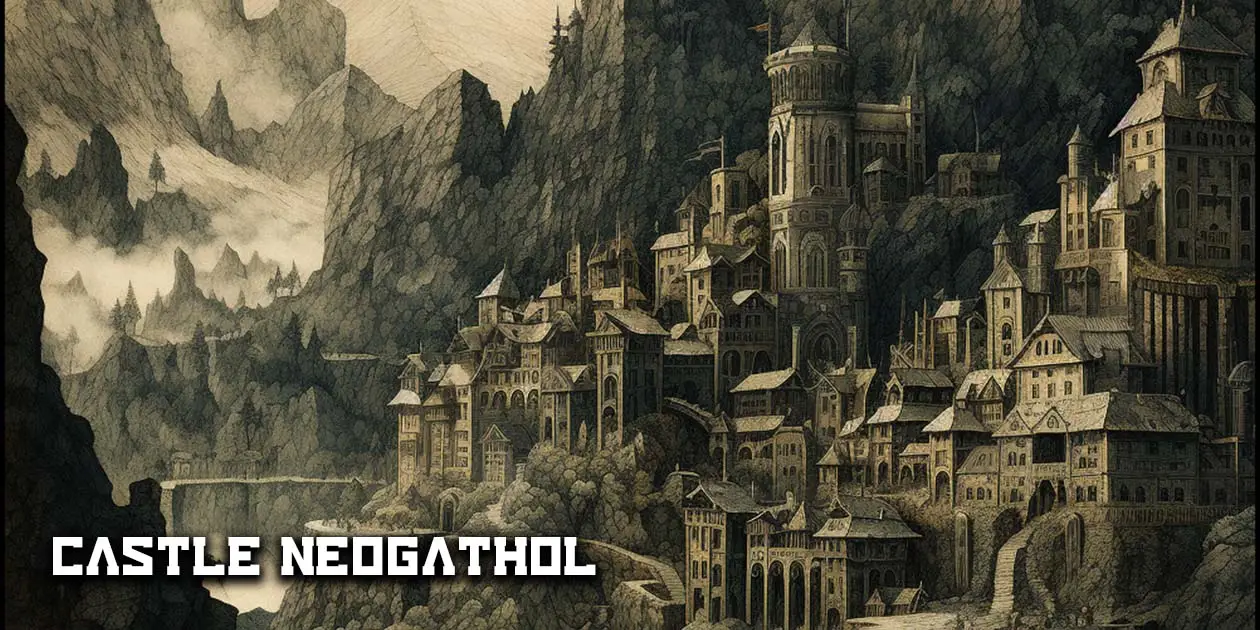
Castle Neogathol. On the highest northern cliff of the city sits Castle Neogathol. Lacking any real protective walls, this ancient keep is defended by its geography. Constructed by hill dwarves and omniborn alike in the first era, the 'castle' has grown an entire noble district around it where many of the rich denizens and travelers reside. Some locations of interest around the actual castle itself include:
Shrine of Dobuna. A small shrine near the waterfall, it is one of the oldest temples in the city and is dedicated to the Elder God, Dobuna. The Golden Church hasn't outlawed the worship of the Elder Gods by decree, primarily because few worship them to begin with. Due to the lack of dedicated followers, besides the few priests who maintain it, the shrine is mostly treated as a garden by the nobles and merchants who reside here.
(Art credit: Leo Torres)
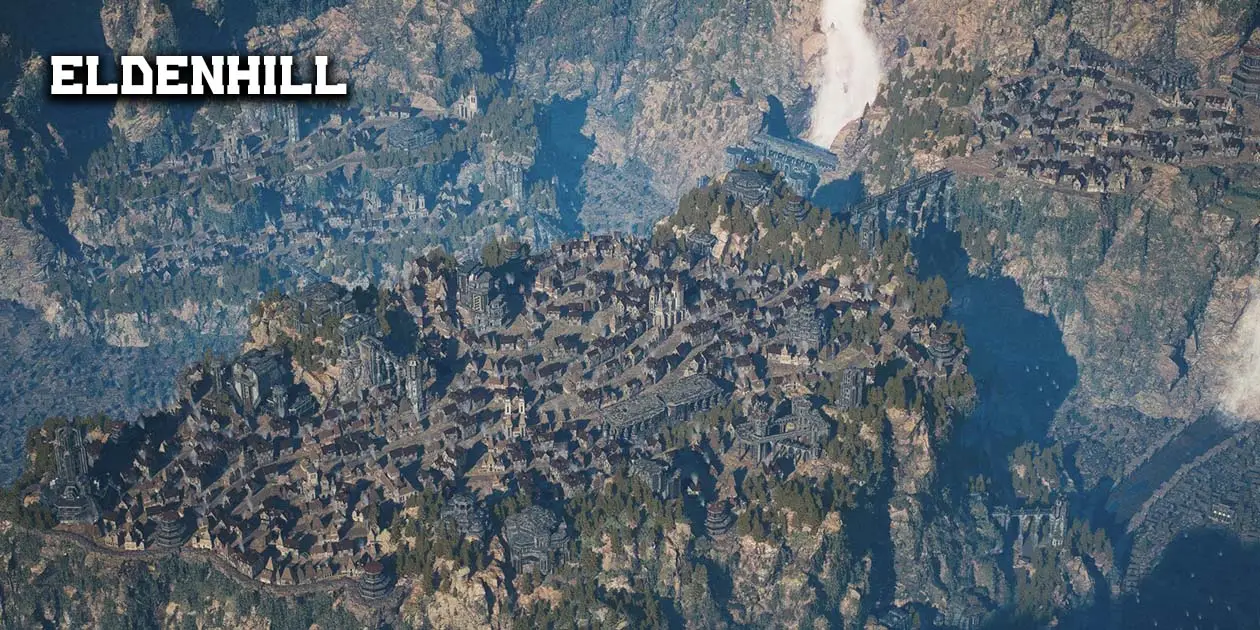
Eldenhill. The central plateau of the city, it is the first settlement of the city before it grew to the surrounding hills of the valley. It is an upper-middle-class district, and most travelers that are simply passing through the border rarely come up to it. Some locations of interest include:
The Churchforge. The largest temple in the city, it is situated in the middle of the plateau. It used to be dedicated to the dwarven god Rhos, but after his death in the first era the Churchforge was repurposed to become a temple to his successor Vertum and Jakunism as a whole. Since the city became a part of the Lunar Collective, only Aetaos is worshiped in the Churchforge, even though the statues of Vertum and Rhos still stand.
(Art credit: Jayison Devadas)
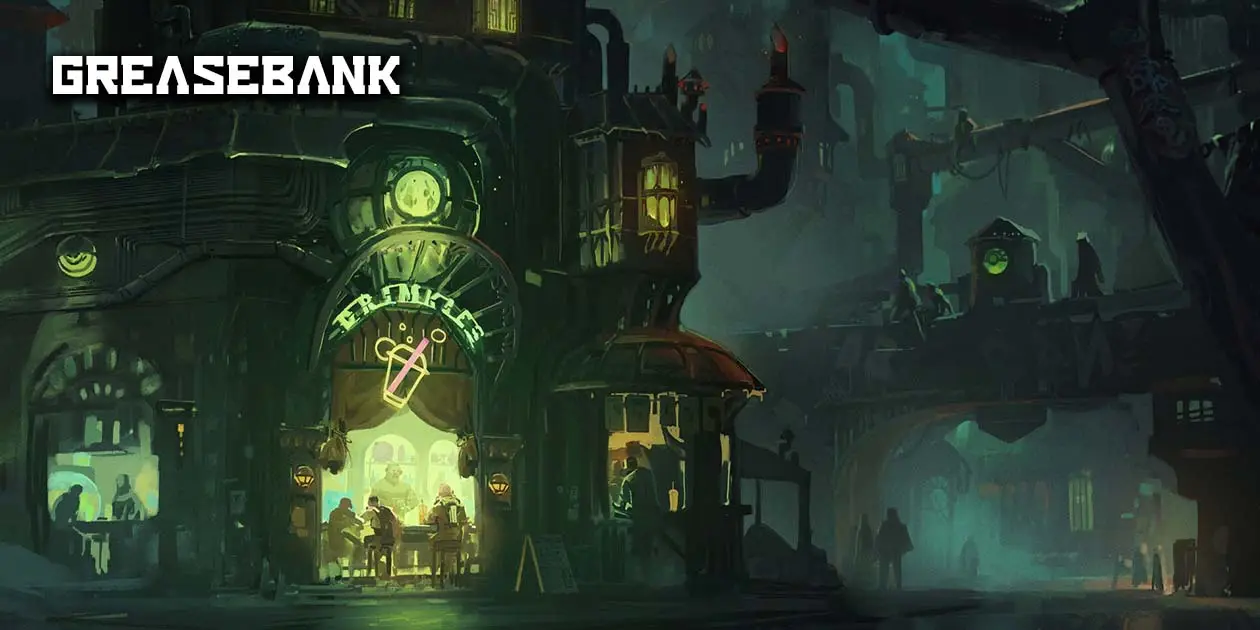
Greasebank. Near the southern base of Eldenhill and around one of the valley streams is the neighborhood that has come to be called Greasebank. A low-class slum that grew around one of the industrial zones of the city, much of the waste of Eldenhill flows down through the sewers that empty into the riverbank here. Some locations of interest include:
The Rust Bucket. A large bar and inn, it is run by a first-generation warforged named 'Gordon' who has come to be known as an information broker. Many warforged and other automatons are regular customers here, more welcome in its walls than the rest of Lunaria.
The Black Box, a black-market magic shop hidden away from the rules and regulation of the Lunar Collective. Importing much of its stock from the Crimsons just across the border, it is owned by a drow who calls himself 'The Great Filoj.'
E. sdgfs. Some locations of interest include:
e
E. sdgfs. Some locations of interest include:
e