"Ihr werdet gerichtet!" —Terrosi motto, translating to "You shall be Judged!"
The Great Kingdom of Terros is a collection of five different Kingdoms all ruled by a single ruler. Comprising of the entirety of the northern half of Aurial, this loose collection of kingdoms collectively form one of the largest nations in Abmarah.
The Great Kingdom of Terros contains within itself:
High King Hermann 'Orderbringer' von Callas founded the kingdom officially in 2E623 and marked the start of the third era of Abmarah. After the fall of the Temporal Empire following the Cometfall, while Northern Aurial was spared from the catastrophic destruction of the south it split apart into warring factions. Every city was its own state, with no overarching law for the entirety of the second era. These cities feudalized into many kingdoms, that were all brought under one banner during the The Great Aurian War.
In the present day, it is difficult for the single Kaiser of Terros to maintain full control of the entire territory, especially across the Kosmosi Mountains. As such, many cities still have their own kings, queens, and rulers- And simply come under the branch of the Kingdom of Terros as a whole.
This union leads to increased cooperation and defense for the northern continent as a whole, but not all cities are happy giving taxes to a far-off ruler. Regardless, this has led to one of the more peaceful kingdoms of the third era, with no major conflicts arising under the Callas family.
The white-green army of the kingdom is one of the greatest simply to maintain peace and order within its own borders, and still adheres to the classic notions of knighthoods and chivalry that some of the southern nations are growing out of. That is not to say that the Terrosi military isn't modernizing, as they are starting to adopt limited firearms within their ranks.
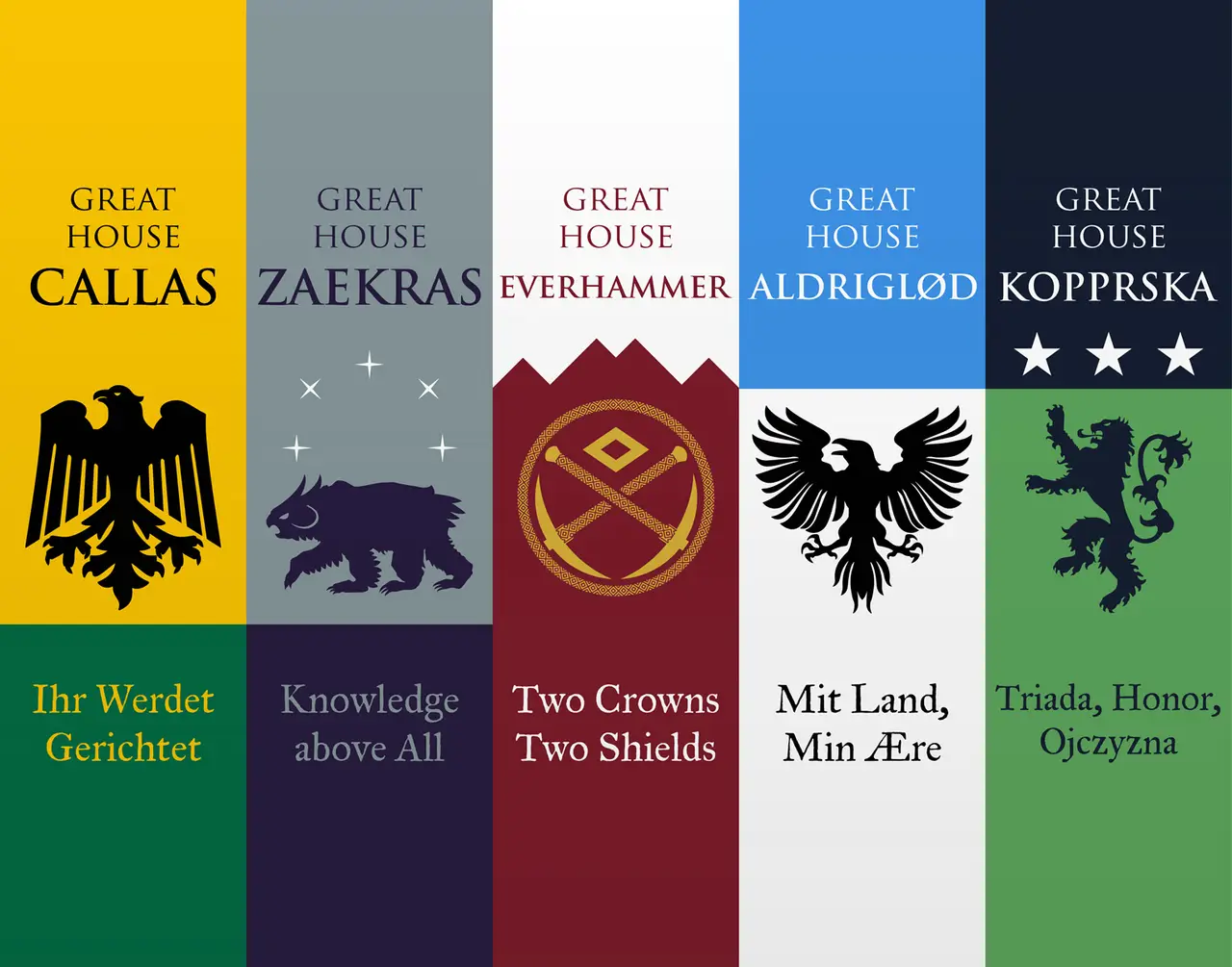
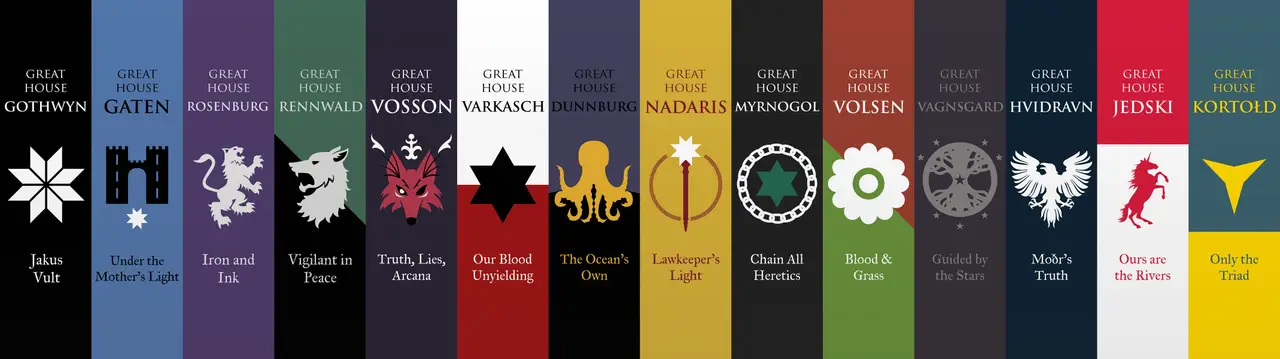
There are a lot of 'great' houses within the five kingdoms. Within the kingdoms there are many duchies each controlled by a different house. The great houses other than primary five are:
The feudal hierarchy of the five kingdoms and their vassals is as follows:
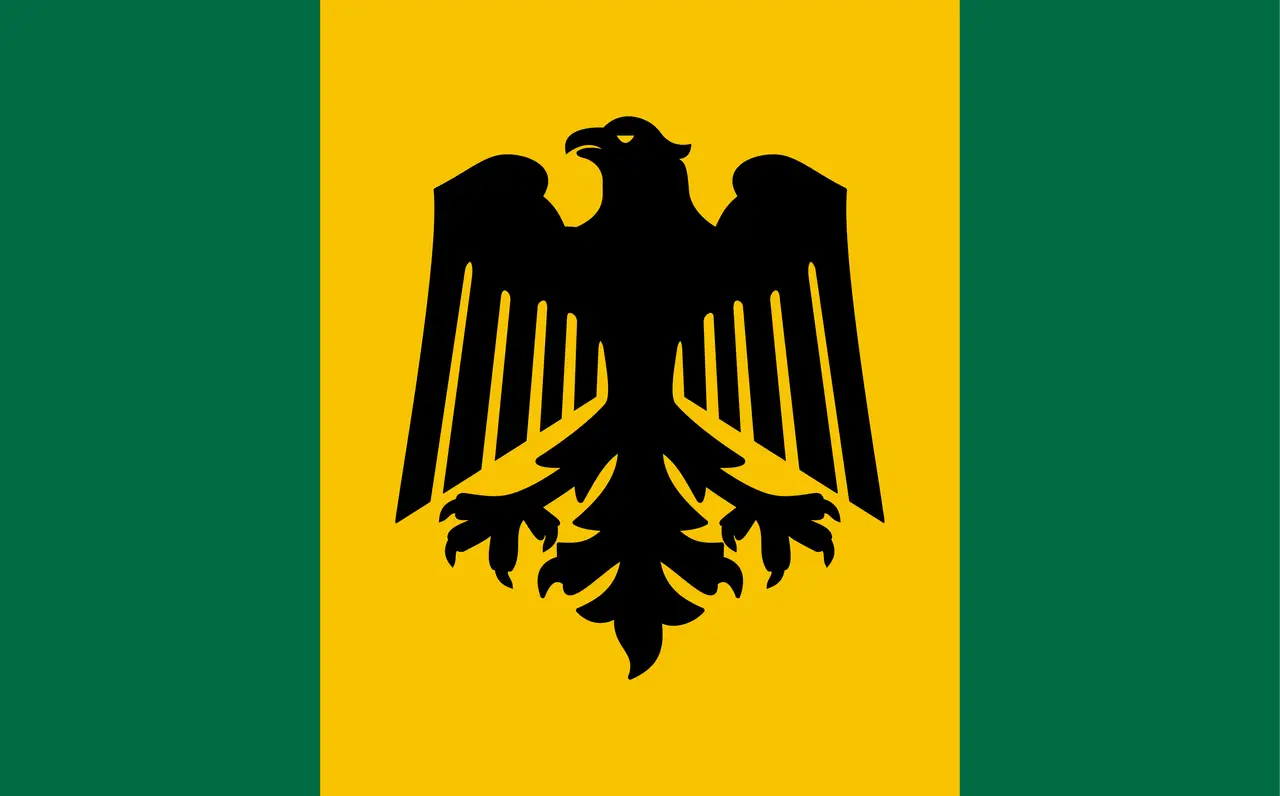
⬤ Kaiser of Terros & King of Zietaria & Archduke of Timeron (House Callas)
Count of Saflink (House Seahope)
Countess of Verstecktburg (House Hirschburg)
Count of Timmersch
Count of Mordorf
• Duchess of Etabrück (House Gaten)
Countess of Acerima (House Isilion)
Count of Rayaren (House Nethruz)
Countess of Mooncoast
Count of Ainis
Count of Reinbeck
Countess of Aldrick
• Duchess of Rockham (House Gothwyn)
Count of Kolstermold (House Kolster)
Countess of Mystearica (House Gärtner)
Count of Feldfield
Count of Kingsfield
Countess of Hickin
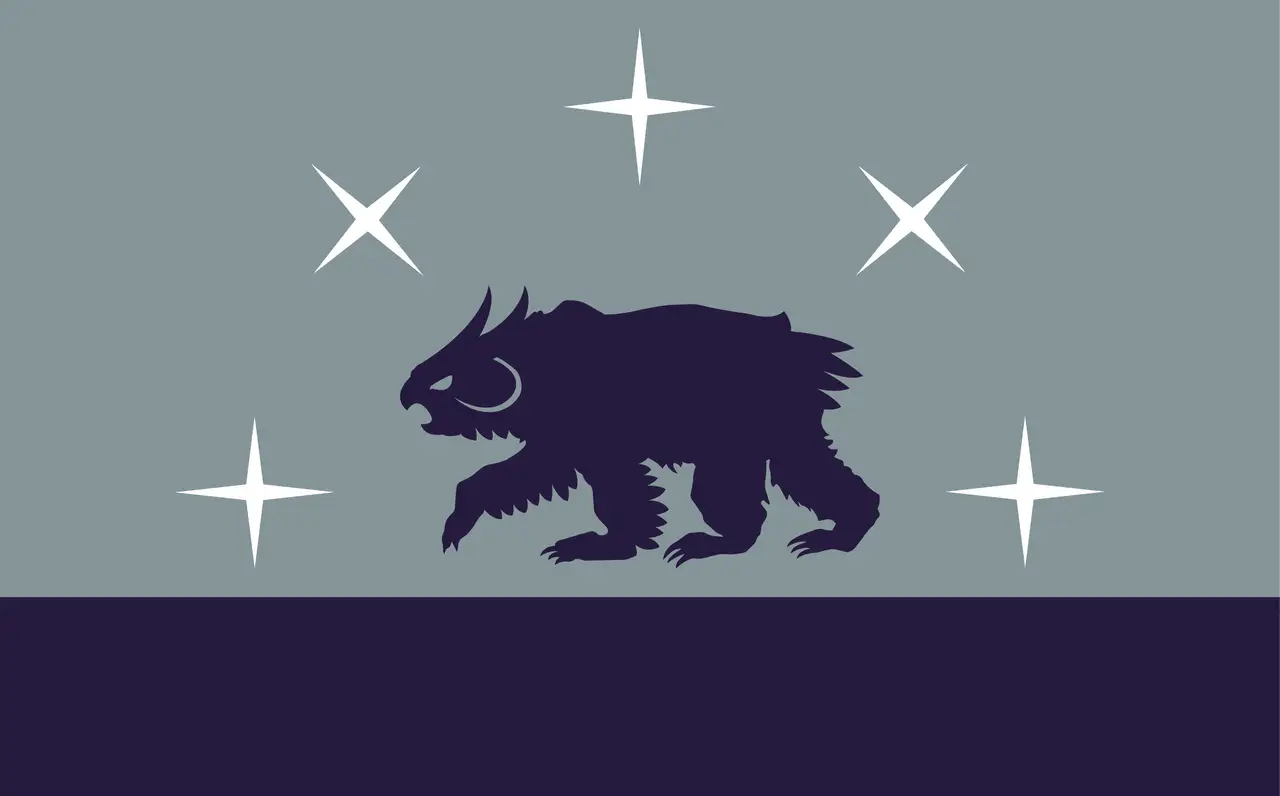
⬤ Archchancellor of Zaubarovia & Archduke of Hyarat (House Zaekras)
• Duchess of Tromden (House Rennwald)
Count of Brödorf (House Lorentz)
• Duchess of Velmont (House Rosenburg)
Countess of Négus (House Etamann)
• Duke of Adenak (House Varkasch)
• Duchess of Nooitmeer (House Vosson)
Count of Griffordam (House Vuhsen)
• Duke of Dunnburg (House Dunnburg)
Count of Isswich (House Havblæk)
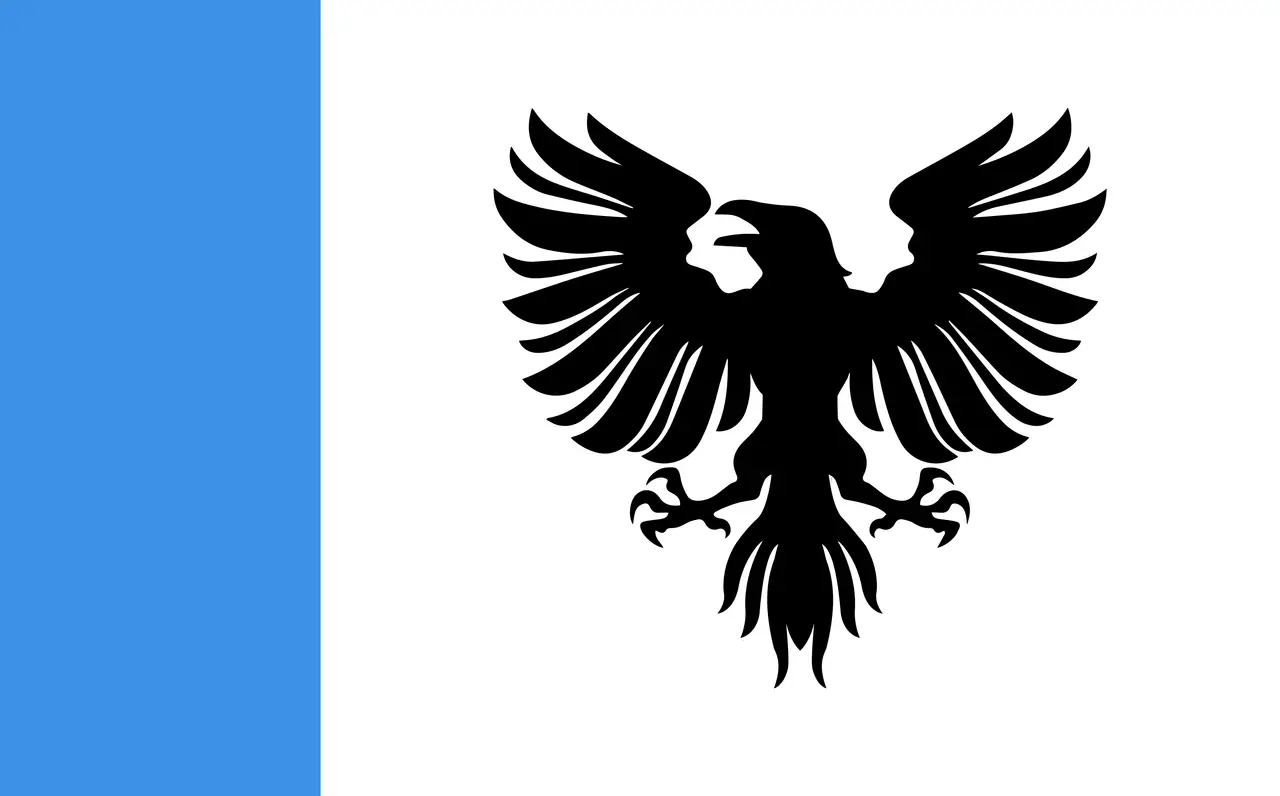
⬤ King of Førland & Archduke of Aldrigvinter (House Aldriglød)
Count of Phanden (House Wester)
Count of Axehold (House Ironrune)
Count of Ryø (House Isvend)
Count of Vanden
• Duke of Sinbjerg (House Volsen)
Count of Ripa
Count of Citan
Countess of Varkrdal
Count of Berby
Countess of Gamhus
• Duchess of Brill (House Vagnsgaard)
Count of Kystby (House Aurgelsen)
Count of Lidborg
Countess of Broe
Count of Månelund
• Duke of Uppborg (House Hvidravn)
Countess of Blåby
Count of Rye
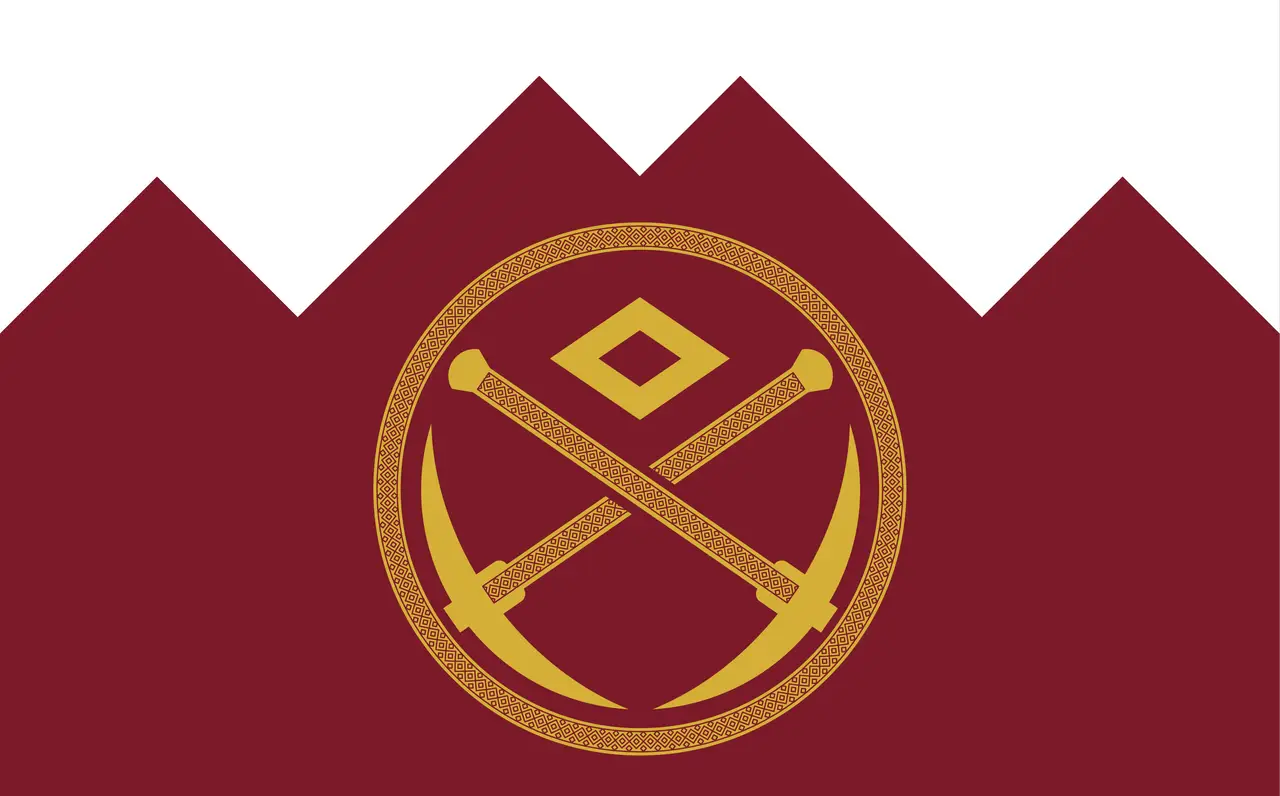
⬤ King of Nûzabad & Archduke of Vogh Vulfrhûn (House Everhammer)
Countess of Kystby (House Oaksbane)
Count of Vogh Umrâl (House Redwatch)
• Duke of Yawrôn (House Nadaris)
Countess of Kuylhammer
Count of Vogh Zagâri
• Duchess of Dîcelegael (House Myrnogol)
Count of Kidzulduhm
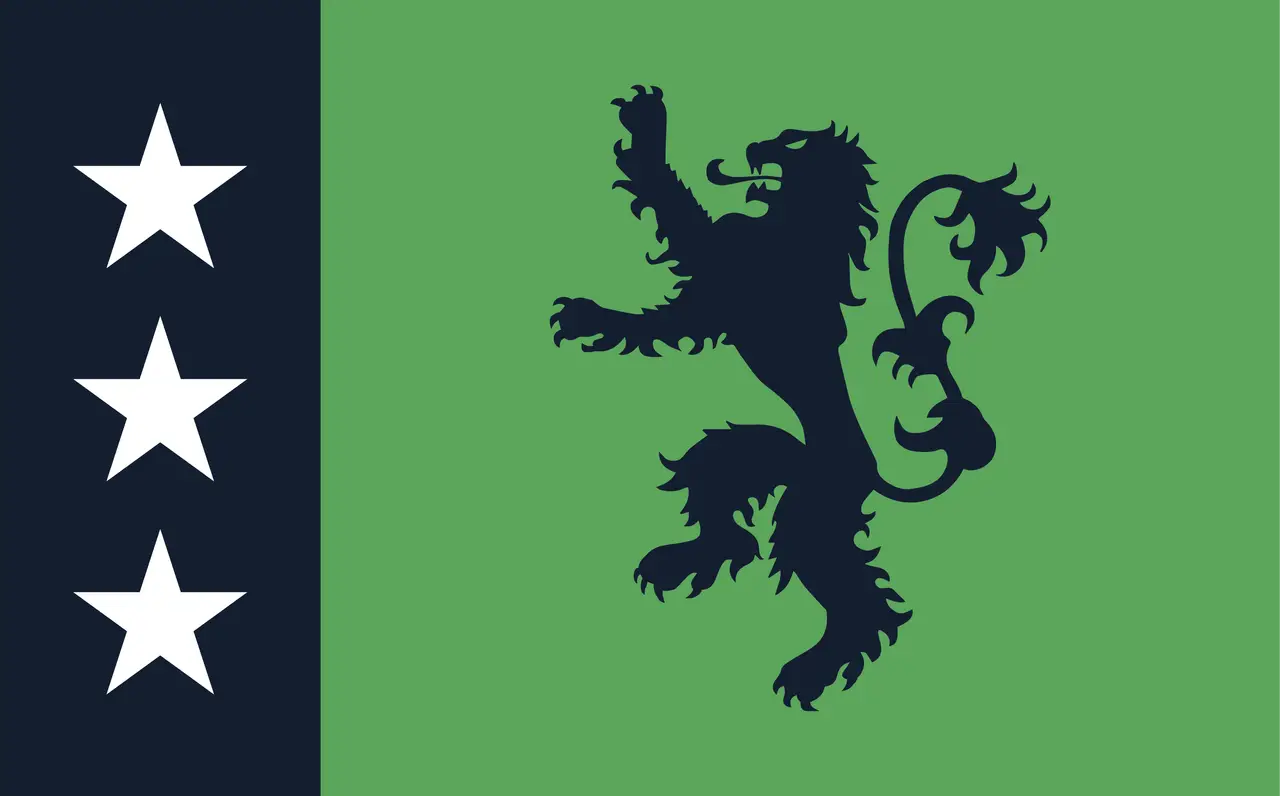
⬤ Queen of Fioska & Archduchess of Bækti (House Kopprska)
Count of Kraterby (House Kruggus)
• Duke of Aztań (House Jedski)
Count of Rivermouth
• Duke of Zwenów (House Kortołd)
Count of Warów
Goals
a
Relationships
a
Military
The Crimson Military structure is as follows:
History
The rulers of Zietaria and the Great Kingdom of Terros as a whole over its 728 year history are listed below:
Rule | Ruler Name |
|---|---|
2E378 - 2E418 (40 Years) | King Felix Timeron (Ascended aged 46, Died aged 86) |
2E418 - 2E437 (19 Years) | King Volkmar Timeron (Ascended aged 55, Died aged 74) |
2E437 - 2E492 (55 Years) | Khaz Zelig 'Lord Timer' Timeron (Ascended aged 26, Dissappeared aged 81) |
2E492 - 2E504 (12 Years) | Khaz Wigmar von Timeron (Ascended aged 44, Died aged 56) |
2E504 - 2E520 (16 Years) | Khaz Welf von Timeron (Ascended aged 20, Killed aged 36) |
2E520 - 2E582 (62 Years) | King Hugberto von Etaburg (Ascended aged 21, Died aged 83) |
2E582 - 2E586 (4 Years) | King Azzone von Etaburg (Ascended aged 31, Dethroned aged 35, Died aged 72) |
2E586 - 3E054 (91 Years) | High King Hermann 'Orderbringer' von Callas (Half Elf, Ascended aged 92, Died aged 183) |
3E054 - 3E134 (80 Years) | High Queen Klara von Callas (Ascended aged 43, Died aged 123) (Granddaughter of Hermann, daughter of Ellenhardt I) |
3E134 - 3E152 (18 Years) | High King Ellenhardt II von Callas (Ascended aged 44, Died aged 62) |
3E152 - 3E166 (14 Years) | High King Wernhardt I von Callas (Ascended aged 39, Drank himself to death aged 53) |
3E166 - 3E227 (61 Years) | Kaiser Ellenhardt III von Callas (Ascended aged 26, Died aged 87) (Given title of Kaiser by the Pontiff) |
3E227 - 3E307 (82 Years) | Kaiser Axel I von Callas (Ascended aged 17, Died aged 99) (Grandson of Ellenhardt III, son of Wernhard II) |
3E309 - 3E359 (50 years) | Kaiser Wernhardt III 'The Golden' von Callas (Ascended aged 52, Died aged 102) |
3E359 - 3E389 (30 Years) | Kaiser Wernhardt IV von Callas (Ascended aged 53, Died aged 83) |
3E389 - 3E458 (69 Years) | Kaiser Wernhardt V von Callas (Ascended aged 34, Died aged 103) |
3E458 - 3E485 (27 Years) | Kaiser Axel II von Callas (Ascended aged 47, Died aged 74) |
3E485 - Present (13 Years) | Kaiser Ellenhardt IV von Callas (Ascended aged 23) |
Almost all of modern Terros became individual city states following the cataclysm known as the Cometfall at the end of the First Era, aside from the Dwarven Kingdoms who would rarely act as a cohesive whole.
The relative cultural isolation of the city states in this early period is one of the reasons that cultures differentiated so heavily, separated by mountains and vast stretches of land. The College of Zaubarovia was founded early on the Isswatch peninsula, the city of Hyarat forming around it as time goes on. The College was the first to call the land Zaubarovia owing to its innate magic due to a heart of leylines.
Olzaria (Timeron) quickly flourished from a merchant city state into a fledgling kingdom as a merchant lord named Felix Timeron did away with most of the remaining Omniborn influences on the city. A worshiper of Tempos, he was one of the founders of the College of Zaubarovia. Under him, the land around the city became the Kingdom of Olzaria.
It was his grandson, King Zelig Timeron, more popularly known as Lord Timer, who expanded the kingdom. He renamed the city of Olzaria to Timeron after his grandfather and house, and continued to expand the Kingdom of Olzaria far beyond the reaches of the city. With lofty ideals of forming an empire to rival the Temporal Empire, he based his aesthetics and tactics on Omniborn ones to evoke the grandeur of the once-great empire. Taking over the town of Rockham and going as far down as Hyrdem across the Etasch River, he moved onto the dwarven empires. The northern Dwarven Kingdom was the Kingdom of Mesemia based around the city of Vogh Vulfrhûn. They resisted Lord Timer's advance for many years, but were slowly pushed back to the mountains and their capital. Timer did try to march on the southern Dwarven Kingdom of Yawria, but crossing the mountainous Etasch riverbank proved to be a great barrier on the southwestern front.
Lord Timer in his later years started to call himself Khaz Timer, like the Omniborn leaders of old. This greatly angered the Jakunic Church, as the Church's Elvish leaders still had the memory of the Omniborn war in their heads. Losing the support of the church, he turned to Zaubarovia for help. The College's influence wasn't as far reaching then, but they still had quite the formidable force of mages. Their lack of respect for the gods had kept them on opposing sides with the Churches, becoming allied to Lord Timer. The College became more of an authority instead of just being a place of learning, founding the city of Uppborg and pushing back the Kingdom of Mesemia even further into the mountains. Zaubarovia was on its way to becoming a part of Timer's Olzaria when a disagreement about the ownership of Tromden got out of hand. Tromden was a city-state, and had relatively more cultural ties to the College than to Olzaria. Lord Timer, often called 'mad' in these final years, fought against the College's mages at Tromden, taking over the city by force. Devoid of allies and with a large Kingdom to govern, he disappeared aged 81, and is presumed to have died in isolation.
His son, Khaz Wigmar Timeron came to power with the Church and the College breathing down his neck. His reign was marked by many revolts and infighting, losing control over the city of Hyrdem due to Etasch river being too much of a hurdle for his armies. Much of his rule was also spent fighting sea raiders from what is now Førland. Across the Kosmosi mountains, the eastern coast of Terros was mostly independent city states following the cometfall. While the southern half was ruled individually mostly by the Lunar Kingdoms, but above them were the coastal cities of Promev, Zwenów, Aztań, Bækti, and Aldrigvinter. These cities had a loose trade alliance called the Dragoncoast Trade Alliance, also known as the DTA. This alliance was for mutual defense on the sea and on land. They considered themselves safe from Olzaria and Zaubarovia as they had the Kosmosi Mountains to guard themselves, although they did have tense relations with the Dwarven Kingdoms. Many villages near Aldrigvinter conducted sea raids across the coasts, going as far down as Casthys and as far east as Timeron.
During Wigmar's rule, he stopped warring with the dwarven kingdoms to focus on this threat from the seafront. Pushing through the mountain pass, he conducted a siege on the city of Aldrigvinter on land, since most of the city's defenses were towards its coastal side. However, the siege failed due to the encroaching winter, and he had to back away. Following this invasion from Olzaria, the city states had a culture shift from merchant city states to feudalist kingdoms. Alridgvinter quickly became the new seat of power for the Kingdom of Fyrstland, becoming a major maritime force in the region with territories including the city of Whither on Skion and the island of Iss. Similarly, the Fiatsk family took hold to form the Queendom of Fioska centered on the four southern cities, then also including Lunarigrad.
After the early natural death of Wigmar, his son Welf ascended as the Khaz of Olzaria at a young age. This led to a period of instability in Terros, as faith in the Timeroni rule was shaken and rebellions rose up often. Fyrstland went to war with Mesemia over the city of High Boldarum, taking over the southern reaches of its borders and renaming the city to Sinbjerg. Mesemia on the other hand went to war with Yawria, one of the last conflicts between the two dwarven Kingdoms. The drow city of Dicelegael was conquered, and then peace was settled with a marriage pact between the two dwarven royal houses.
The Olzarian rebellion, led by Duke Hugberto von Etaburg of Etabrück, managed to siege Timeron and depose Welf von Timeron, killing him and ending the line of House Timeron. Hugberto declared himself King of Olzaria, and set to restoring stability to the region, which he was generally successful at for the first two thirds of his reign. Fyrstland raided and took over the city of Adenak from Zaubarovia after many coastal raids. They attacked the city of Nooitmeer, but the siege ended nonconclusively. Despite his peaceful rule, near the end of Hugberto's life the political climate of Olzaria was turning against him. Many disliked him on basis of his more 'foreign' Alzarran culture, and he was unable to form any true political allies even with Zaubarovia. After his death, his son Azzone von Etaburg ascended as the last Olzarian King.
Azzone's reign was marked with rebellions against him and a lack of allies. He was also seen as a heretic due to his adultery and general disregard for the gods. The Church of Jakuna as well as the College supported a new leader who had emerged from the ashes of these rebellions, a devotee of Jakuna named Hermann von Callas. Although a simple lowborn, he was blessed by the Jakunic Church in his fight against the 'heretic king'. He managed to form an alliance with the College of Zaubarovia. A legendary commander, he managed to take the city of Timeron by force, and captured King Azzone, who was put to trial and executed by the Church. He spent the first half of his reign restoring the order of Olzaria, renaming it to Zietaria.
Hermann von Callas became the first leader to unite two of the great Terrosi nations when he returned the city of Tromden to Zaubarovia against the wishes of the church. Zaubarovia and Zietaria became two halves of a new 'High Kingdom'. High King Hermann appeased the church by finally bringing order to the land, as 'Terros' became the first true empire since the fall of the Omniborn. The Pontiff named him 'Orderbringer', and a new third era of the world started. Hermann also negotiated with Emperor Sombra when the Crimson Empire formed to the south. He gave up the city of Alverona to Sombra in accordance with the church since they had been forced to give up Tromden to Zaubarovia. The Pontiff declared that 'Everything north of the Etasch is Terros, and everything south is Sombus'. This led to increased resentment against both nations on the western side of the Kosmosi Mountains.
After a generation bounded together in an ever strengthening alliance, the dwarven nations of Mesemia and Yawria formed a common nation as their two royal families truly became one. They formed the Kingdom of Nûzabad, led by one king instead of two, to better stand a chance against their surface enemies.
After the Lunar Revolution began to stir, and multiple territorial clashes between Zaubarovia and Fyrstland over the city of Brill and the island of Iss, tensions were high across the continent. In the Year 3E215, the Great Aurian War broke out. This war saw Terros attack both Frystland and Nûzabad while the Crimsons fought the Lunars. While these are technically two or three separate wars across the continent, they all happened at the same time and overlapped in many key locations. Fioska managed to sit out the first half of this war, but gave up the city of Promev to the Lunars, specifically to House Koporev which was related to the ruling Fioskan House. With the Imperium Aeternum supporting Terros and Sombus, they created the first warforged to aid the two nations after their great losses. High King Ellenhardt III managed to force a Nûzabadi surrender after the tides turned due to the warforged, absorbing their nation into Terros. The Pontiff Aeternum gave him the new title of "Kaiser" as he became the leader of three kingdoms.
Midwar, Mount Glaurimm exploded violently in a catastrophic eruption that destroyed much of Aldrigvinter and ruined Frystland's advantage against Zaubarovia as their royals all died. The military commander took over the nation, as it reformed mid-war to become the Kingdom of Førland. However, this marks the turn of the tide as Zaubarovia took over much of the remains of the nation, finally forcing Førland's surrender and making it a part of Terros. Finally after a long fight, Fioska and Lunars stopped fighting against the combined might of Terros and Sombus. The Lunars and the Crimsons drew clear borders across the mountains, as Fioska joined Terros. The Great Kingdom was complete, with five kingdoms across the entire northern half of Aurial. This finally ended the 12 year great war for good.
The city of Brill is returned to Førland.