Ammba (अम्बा) is a city of immense beauty and intrigue, right in the center of the Kav’orra Desert. The city was once a fort built into the mountain known as Absorya Parbat, which was believed to be the legendary retreat of Abara & Sorya, two primordial figures whose feud is said to have started the desertification of the land from here. As a result, the city and the mountain alike are often referred to as the “Mother of the Desert”.
One of the most fascinating features of Ammba is the magical underground river that runs through the city, flowing from the Eqosi Underdark. The river has a source that seems to be imbued with a powerful primordial enchantment, providing a flow of water and energy that is distributed throughout the city via an extensive network of pipes that bring the underground water up towards the surface. This magical water source has played a critical role in the city’s development, allowing its inhabitants to thrive in an otherwise inhospitable environment. While the city is home to a diverse range of species, including humans and sand-elves, it is the desert-dwarves who make up a majority of the population. Their expertise in metalworking is legendary, and their workshops are filled with the clanging of hammers and the roar of furnaces.
Over the centuries, the desert-dwarves have been the driving force behind the city’s expansion. They have excavated the mountain’s caves and cliffs, creating a labyrinthine city that extends deep underground to the river. The dwarves’ skill at mining and stonework is evident in every corner of the city, from the majestic halls and tunnels to the intricate carvings and sculptures on its walls. The creations that emerge from the city’s workshops, from the ornate jewelry and armor to the sturdy tools and weapons, are exported and used across the continent and beyond. The city is renowned for its artisan culture, with museums, art galleries, theaters, and many other such cultural centers dotted around its underground halls.
Ammba is not without its struggles. Its location is isolating, and there is a vast undertaking going on right now involving the construction of steam train lines to the rest of the cities. The city has been ruled by the Hukumat for generations, and the current ruler is Ranaji Jai Kawar Sahib, a member of House Kawar of Ammba. His ancestors were “Maharanas” of the city until they were defeated and brought under the Kasaaqi Hukumat’s control. Despite this troubled history, Ranaji has worked tirelessly to maintain the city’s independence from Kasaaq’s culture and preserve its unique traditions. Under his leadership, Ammba continues to thrive as a beacon of innovation, creativity, and resilience in a harsh and unforgiving desert. Crime is a big problem in the city, partly because of its labyrinthian nature within the mountain and the influx of traders and travelers from across the desert and beyond. The Sena’s numbers aren’t effective enough to deal with all the criminal elements within the city, so the Sena takes a more fear-based approach in its methods. Criminals are often hung from bridges and left to rot for weeks, protestors are beaten up and dispersed with force, and any people caught breaking the laws are made public examples. Ultimately, all this does is punish the criminals poor or amateur enough to get caught, as any sufficiently intelligent criminal belonging to any of the thieves guilds would rarely end up in such a scenario. The city is a hotbed of smuggling rings and human trafficking, and many rich people have to use darker means of acquiring labor and people after the banning of slavery.
Areas of the city include:
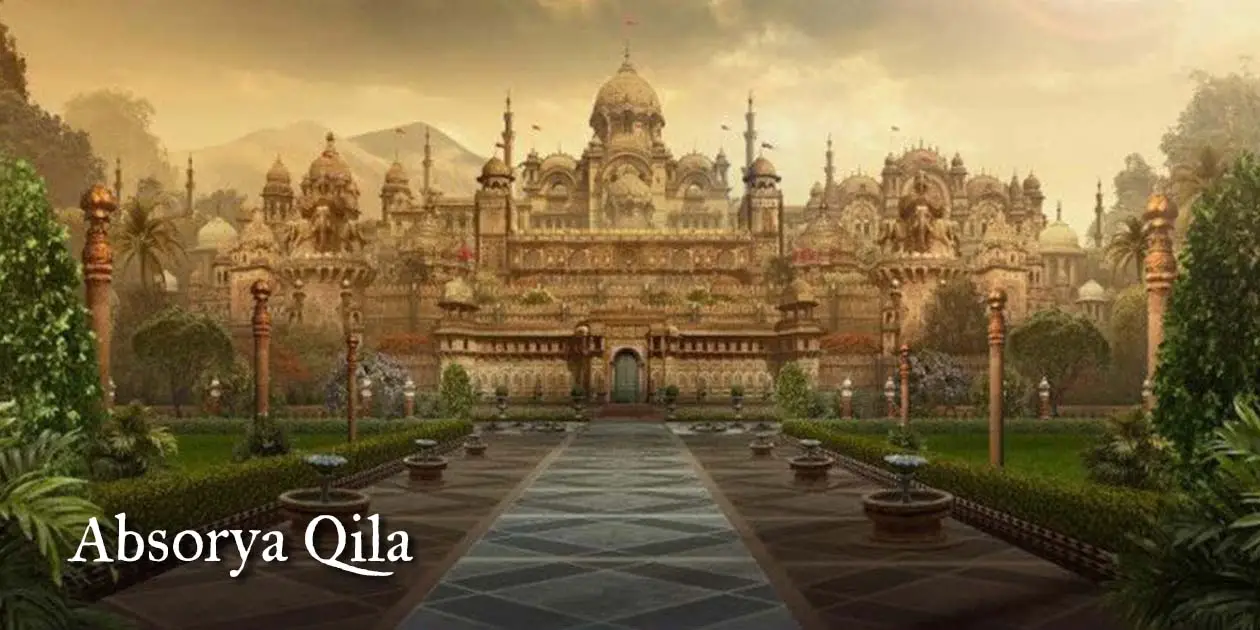
Absorya Qila. The center of government of Ammba, the Absorya Qila (अबसोर्य क़िला) is home to the city’s administrative buildings, including the palace of House Kawar. Ranaji holds frequent cultural gatherings of song and dance here. The Qila is in a raised portion of the underground city, and half of it extends outside the mountain and has a vast garden balcony that overlooks the surface.
(Art credit: Domen-Art)
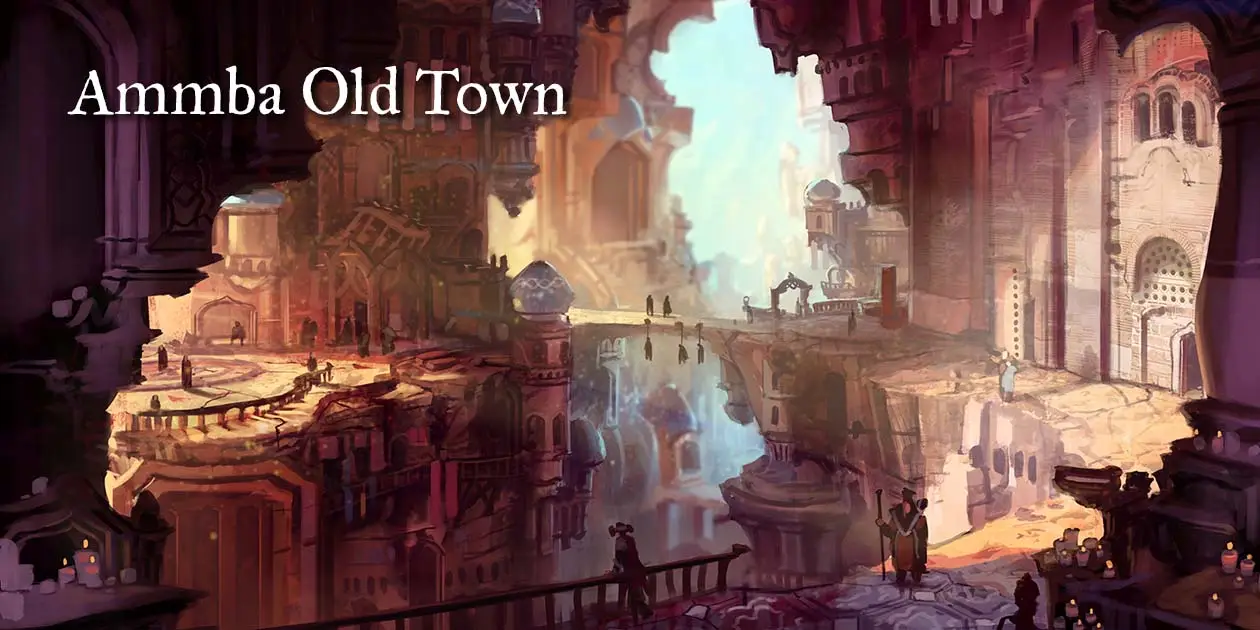
Old Town. The beating heart of the city, Old Town (पुराना शहर) is the oldest and most culturally significant neighborhood in Ammba. It was the first settlement that developed into the mountain, and it is the closest the city has to an upper-class district. The streets are lined with elegant buildings built into the cave walls as well as ancient statues, and the air is filled with the scent of incense and spices. Old Town is a cultural hub, where artists, musicians, and poets come to share their work and inspire one another. The wealthy elites make their homes here. Some locations of interest include:
The Senaghar, which is the primary military and police center of the city. The Kasaaqi Sena has barracks in this building along with a jail, as all security operates out of here.
Jaku Mandir, which is an old temple devoted to the worship of Jakudevi. While it receives less visitors than the Vertu Mandir due to the dwarven nature of the city, the sand-elves maintain it well.
Kawari Art Museum & The Kawari Theatre, the twin buildings are cultural hubs funded by Ranaji himself. The museum showcases artifacts from across Abmarah, and is allied to the Kav’orran Archaeological Survey.
The Ammban branch of the Department of Dungeons.
(Art credit: Ubisoft)
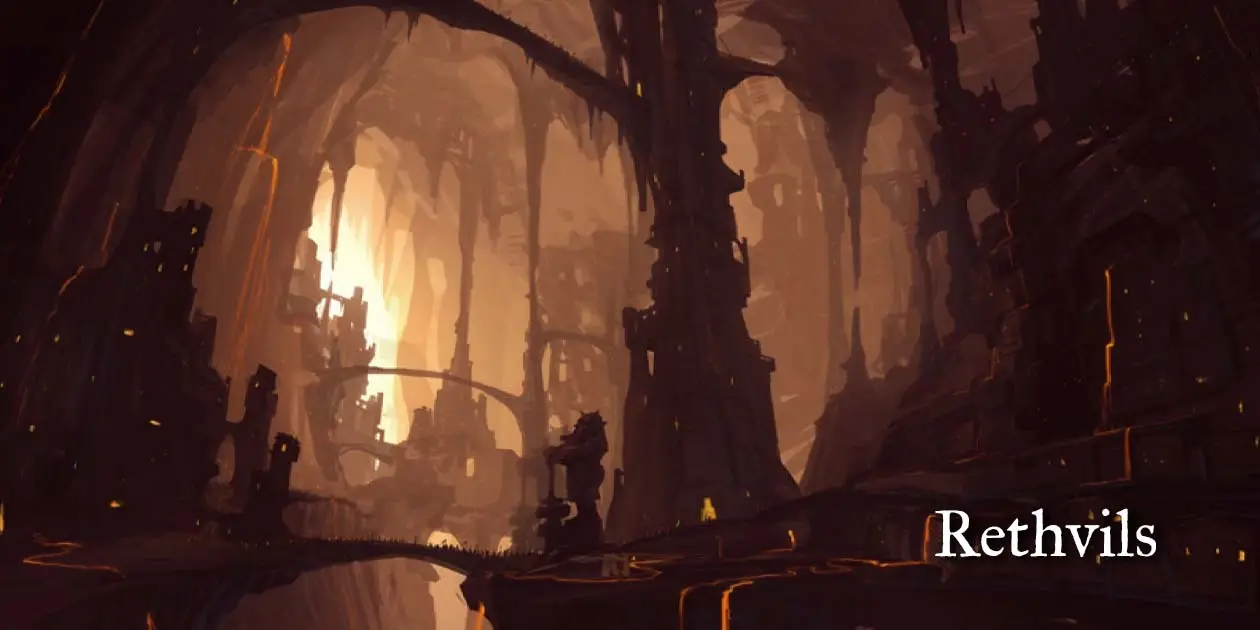
Rethvils. A largely dwarven community that is industrial in nature. Rethvils (रेथविल) is known for its forges which are in operation around the clock, increasing the heat even more than the scorching desert outside the mountain. Despite the heat, the desert-dwarves who live in Rethvils are hardworking and proud of their craft. This community has a distinct blue-collar feel, with working-class families living in sturdy stone homes and sending their children to schools that teach the art of metalworking. Some locations of interest include:
Vertu Mandir, the largest place of worship in the city. The dwarves primarily revere the angel of the forge, Vertuma, and have built a grand temple to him. This is the largest temple of the blue angel on the continent, and receives many pilgrims.
The Desert’s Forge, the grand forge of Ammba that fuels the city. It used to be a temple dedicated to the now-dead creator god of the dwarves, Rhos. Currently devoted to the forging of the steel required to create the railway across the desert.
Jiveki Ayurvedic Potions, an eccentric potion store selling homemade herbal remedies instead of the usual alchemical mixes.
(Art credit: Resh Darkstar)
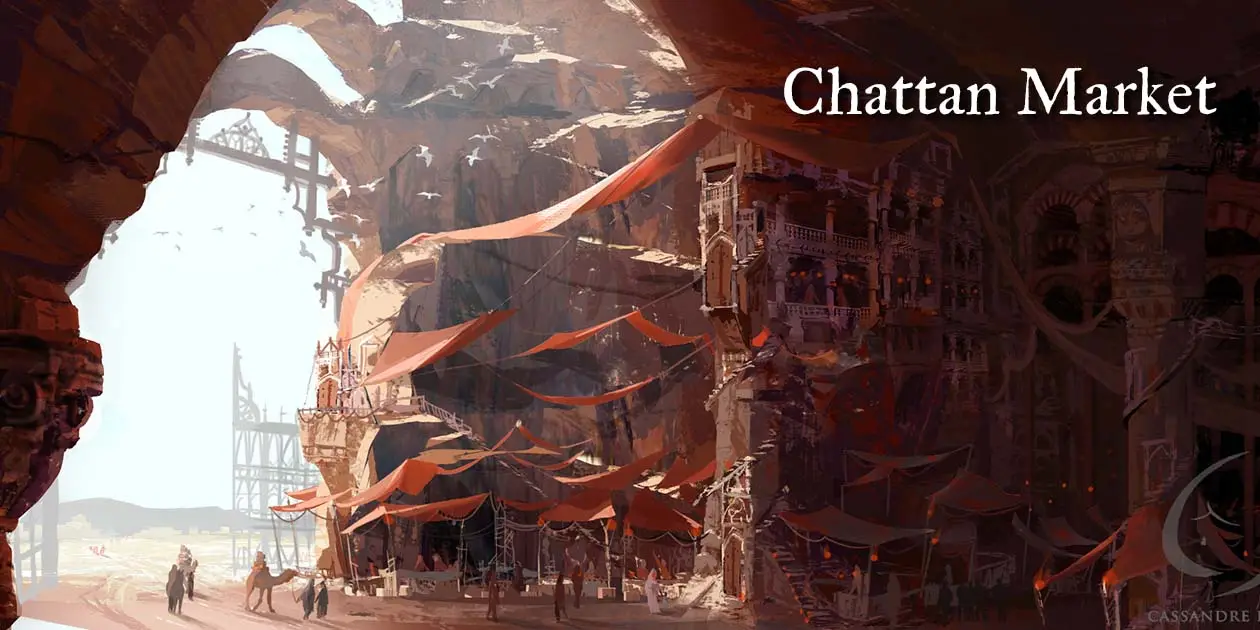
Chattan Market. A bustling market that stretches from the sands outside into the cooler interior of the mountain. Chattan Market (चट्टान बाज़ार) is the largest market in the city, and people from all over the nation and beyond gather here to buy and sell goods of all kinds. The market is a vibrant, chaotic place, with vendors hawking everything from exotic fruits and spices to handmade crafts and trinkets. Carts can travel from the sands to inside the mountain with little security, and a train station has been created to house the steam railway that connects to Dibayad. Some locations of interest include:
Jaro’s Weapons of Fire, a smithy run by an elemental ifreeti named Jaro who moved to the city from the plane of fire.
The Stitched Scales, a tailoring and clothes shop that is run by a local brass-dragonborn seamstress named Milis Kloved, who is also a part of the Chimera.
The Jealous Wife Tavern, one of the best known watering holes in the city that serves travelers just coming in from the scorching weeks of travel.
The Final Form, a magic shop run by a reclusive sand-elf named Zaleria. An extreme introvert, you need an appointment to even be allowed inside.
(Art credit: Sivasomazero)
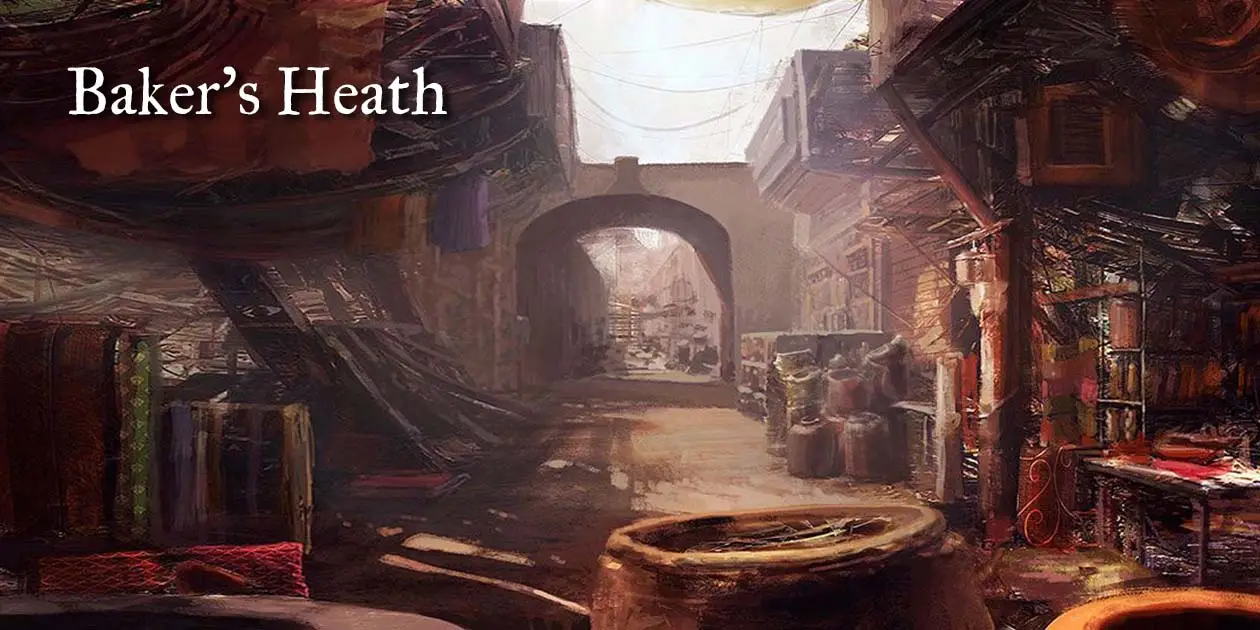
Baker's Heath. Also known as the Naanbai Bhoomi (नानबाई भूमि), it is a surface community that extends outside the mountain, where few plants can grow. It is mostly middle-class, with comfortable homes and small businesses lining the streets. The district is named after the many bakers who set up shop here, forming due to the trade route between Ammba and the cities of Mem’mala and Kasaaq. Most of the mounts and animals are kept in open pens and field stables around this district.
(Art credit: Owari no Seraph)
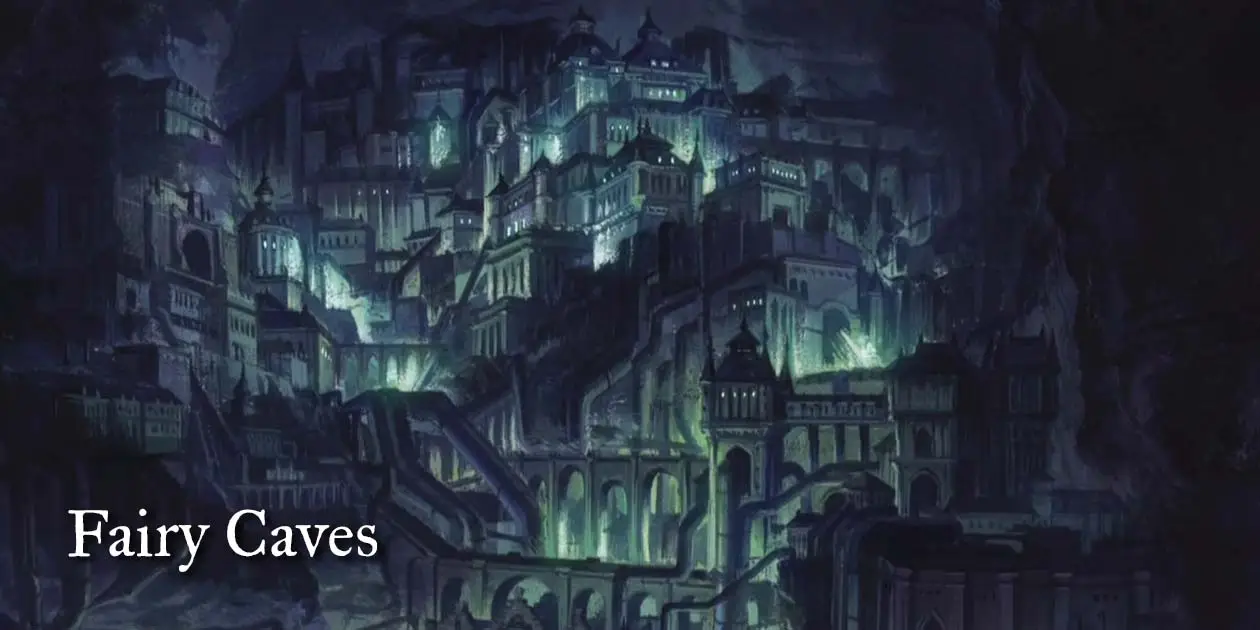
Fairy Caves. Also known as the Parigufayen (परीगुफाएँ), it is a dark and seedy community that has grown up around a series of large caverns deep under the mountain near the underground river. As the city continued to grow in the third era, it expanded into these sunless depths. Once a place of beauty and wonder, the caves have become a hub for criminal activity in recent years. The district is home to gambling dens, brothels, and other illicit businesses that cater to the city’s less savory inhabitants. The caves used to have sightings of many fey creatures, hence the name.
Parbat Heights. A surface path leading up through the mountain and back outside along the sides of the peak. The district is named after the mountain it winds through and is known for its stunning views. It has two primary locations of interest:
The Skyport, where any visiting airships dock. Airships are the quickest form of transport across the desert, and the central location of Ammba as well as the height of the mountain has made it a hub for air travel as rare as it is.
The Shrine to Morodeva, a small cave to the side of the mountain path that is home to an ancient shrine revering the previous god of death that Therahti replaced.