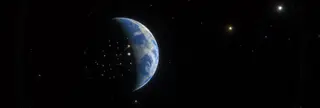
Visit the dedicated page for the map of Abmarah.
One instance of the material plane in the prime realm is Abmarah, the world that our D&D campaigns are set in. Also called Abara, it is a world rich with history, lore, and fantastical stories; built over the course of at least a decade.
It is the third planet in Voidspace, and is considered to be the jewel of the Cosmos. While there are other planets with oceans and life out there, Abmarah is considered to be the central planet with the most importance. It has three moons in the sky, and sees a lot of meteor showers and asteroid impacts. The planet is also lined with magical 'leylines' which form the veins of the weave underneath the surface.
Abmarah was once more magically advanced, until the "Cometfall", a catastrophic event a thousand years ago at the end of a long war against the gods in which a comet impacted the continent of Aurial and shattered its southern half into the Blood Sea. This plunged the world into a chaotic age that it has only begun to restore itself from in this new age of order. High Fantasy has fallen by the wayside in this post-apocalypse, as steam power and technological marvels take over the world to try and restore what once was, if not go beyond. In some ways, the modern world is more advanced now than it ever was pre-apocalypse.
Names
The planet has many names across its many cultures and languages. The most common names, Abmarah and Abara (Абара, അബാര, அபாரா, ꯑꯕꯥꯔꯥ), are recognized worldwide by the modern era even if people might prefer a local name. Of the two, Abara is the older name and is derived from the Eqosi primordial of the same same that is said to be the personification of the planet. Abmarah is said to be a combination of Abara and possibly the Aeterian word 'Mar' relating to the ocean. It's also said that it means "working-together".
Some other names for Abmarah include:
Primeworld: The planet is referred to as "Primeworld" mostly by extraplanar beings or when being referred to in the context of other planes. The name comes from Primerealm, the combined name for the Material Plane, Feywild & Shadowfell.
Annor: The elven name for planet in modern elvish. An older variant no longer used by any elves other than the Mourning Drow is Abnor.
Oblor (ᛟᚦᛚᛟᚱ): The dwarven, giant, and nordic name for the planet, inherited from the Elven "Annor".
Abthaz or Abthazblakh: The Omnikarn names for the planet used commonly in the first era. After the Cometfall, their usage has declined and are now used only in academic writings and arcane notations.
Abvi (अब्वी): The Kav'orran name for the planet, thought to be related to one of the words for "Father", "Abba".
Aikyu (哀球): The Cinohan name for the planet, literally meaning "Sphere of Sorrow".
Ebmara: The Jasivian name for the planet, borrowed from Abmarah.
Geography
The planet is near an asteroid belt, and sees frequent impacts and meteor showers with three moons in the sky. The planet is geologically active, and its crust is divided into many tectonic plates. The most prominent feature aside from its many mega-craters is the 'hypervolcano' Kazarin Peak.
Continents
Aurial
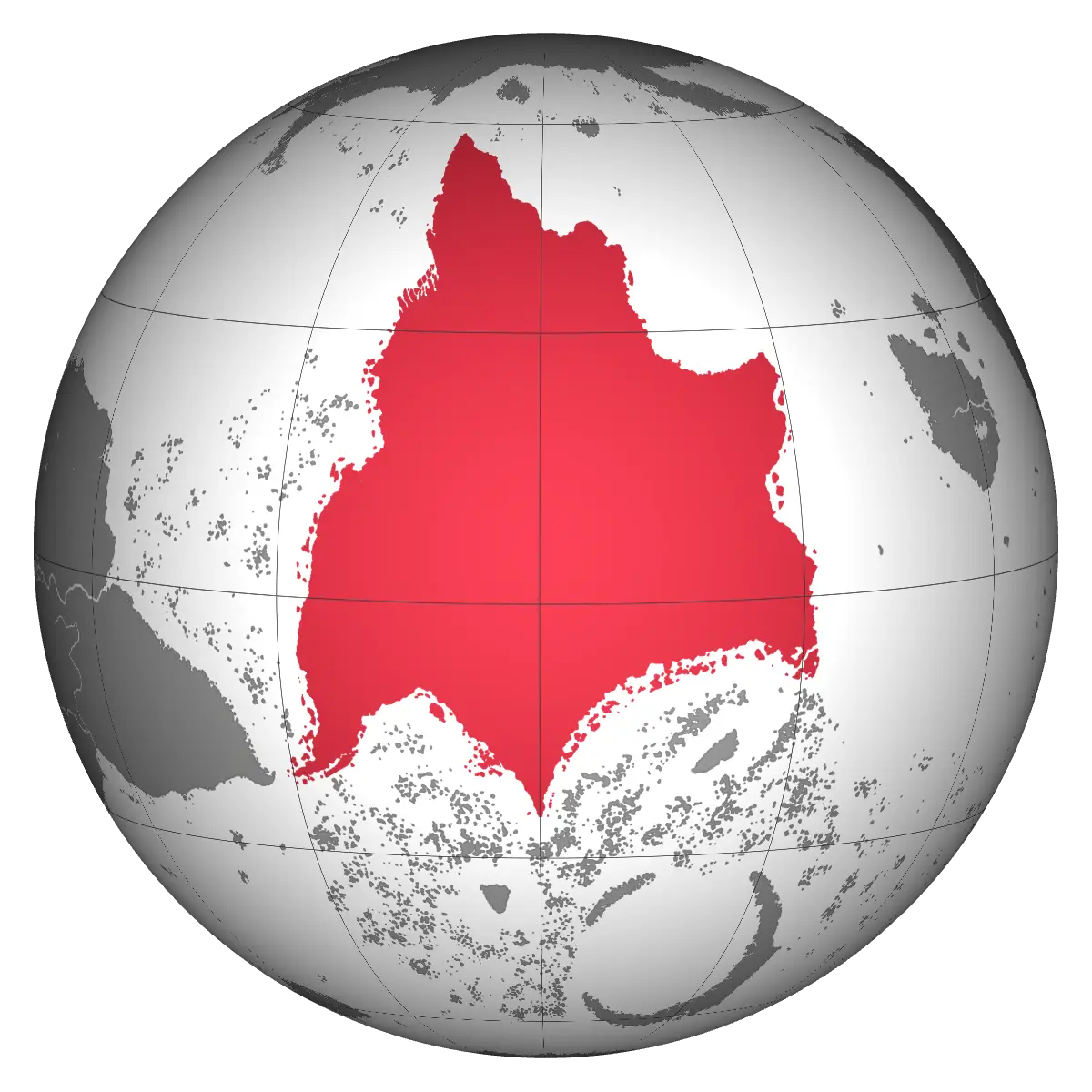
The second largest continent in the world, Aurial was once home to the great Omniborn Temporal Empire, until a comet struck its southern half and shattered it into countless islands. The remaining continent is bisected into two halves by the Kosmosi Mountains which stretch from north to south. Often called the center of the world, it is considered to be the greatest and most important continent by many, but others would call that an aurio-centric mindset. Regardless, aurian culture dominates much of the globe, and most trade passes through the continent’s ports.
In the northern half of the continent is the Great Kingdom of Terros, a germanic union of nations ruled by a powerful kaiser. Home to most of the Dwarves and Halflings of the world in addition to humans; the kingdom is famous for its castles, fortifications, and wineries. Many central-european cultures from real life are also represented within its borders, such as danish and polish. To the southeast of Terros exists the anglic Holy Empire of Sombus, a theocratic constitutional monarchy led by Emperor Sombra. Also known as the Crimson Empire, it is known for its naval prowess and its army of faithkeepers. Sombus itself is often called the greatest city in the world, and possibly the largest, only comparable to Jamre in Eqos. The southwestern part of the continent hosts the slavic Lunar Collective, an oligarchy ruled by a council of powerful families. They have a tense relation with the Crimson Empire and have colonized much of Eqos. The three factions had a continent-spanning war two centuries ago called the Great Aurian War, a devastating conflict that led to adverse effects across the world.
Eqos
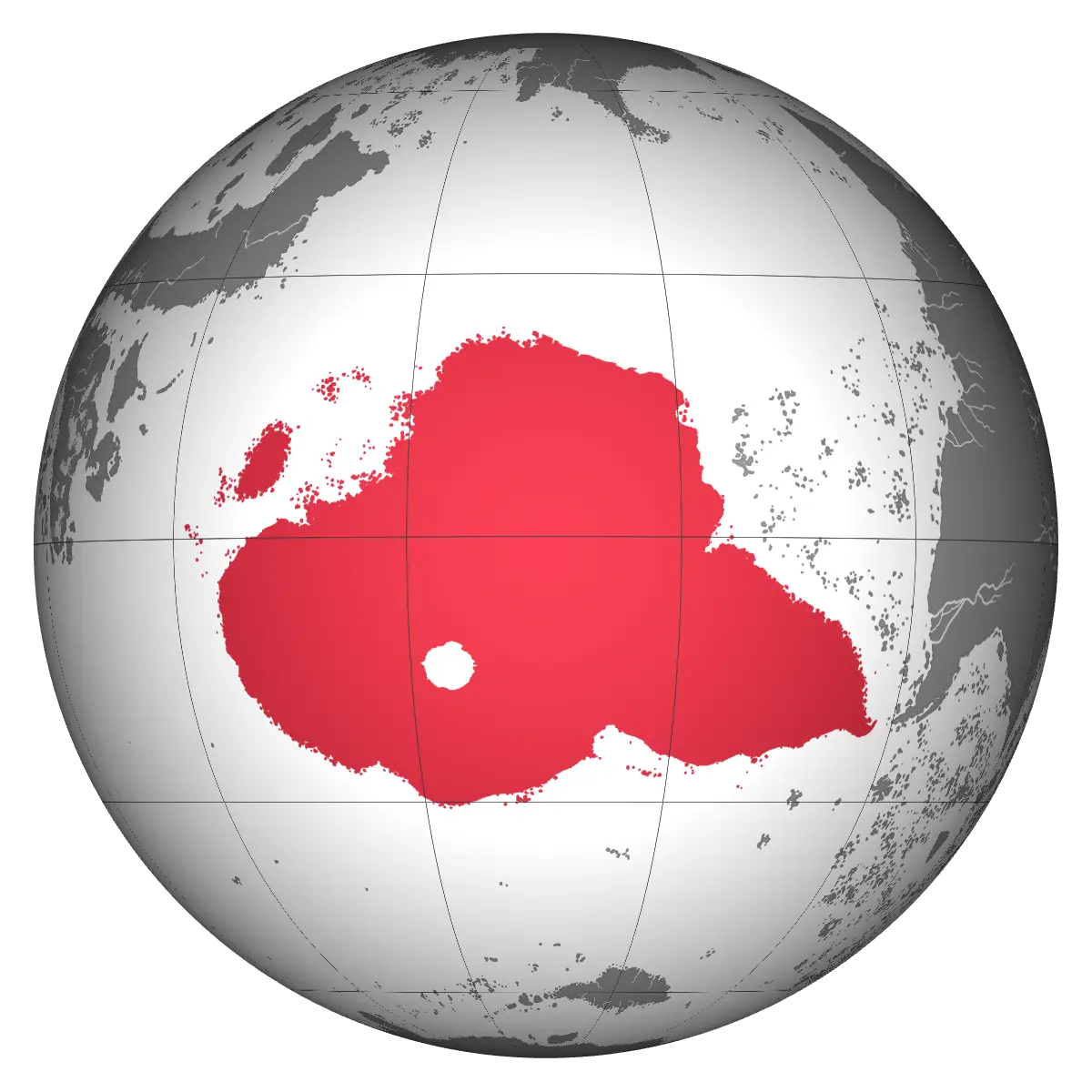
The third largest continent, Eqos is one of the most widely diverse continents of Abmarah, and is often said to be the birthplace of life. It contains the great Edeni Expanse, a vast grassland surrounding the hypervolcano Kazarin Peak. It also contains the largest sandy desert on the planet in the north, called the Kav'orra Desert. Eqos has rich ancient traditions, and is by far the most populated continent.
Eqos in the third era contains many nations, such as the Kasaaqi Dynasty, the Swarna Authority, the Vurmark Raj, and even the coalition of the Calamity Covenant that contains within it the Vyzumi Republic, the Kwadenhi, the Varhamsat Khadumate, and the Kingdom of Yoldra.
Eteru
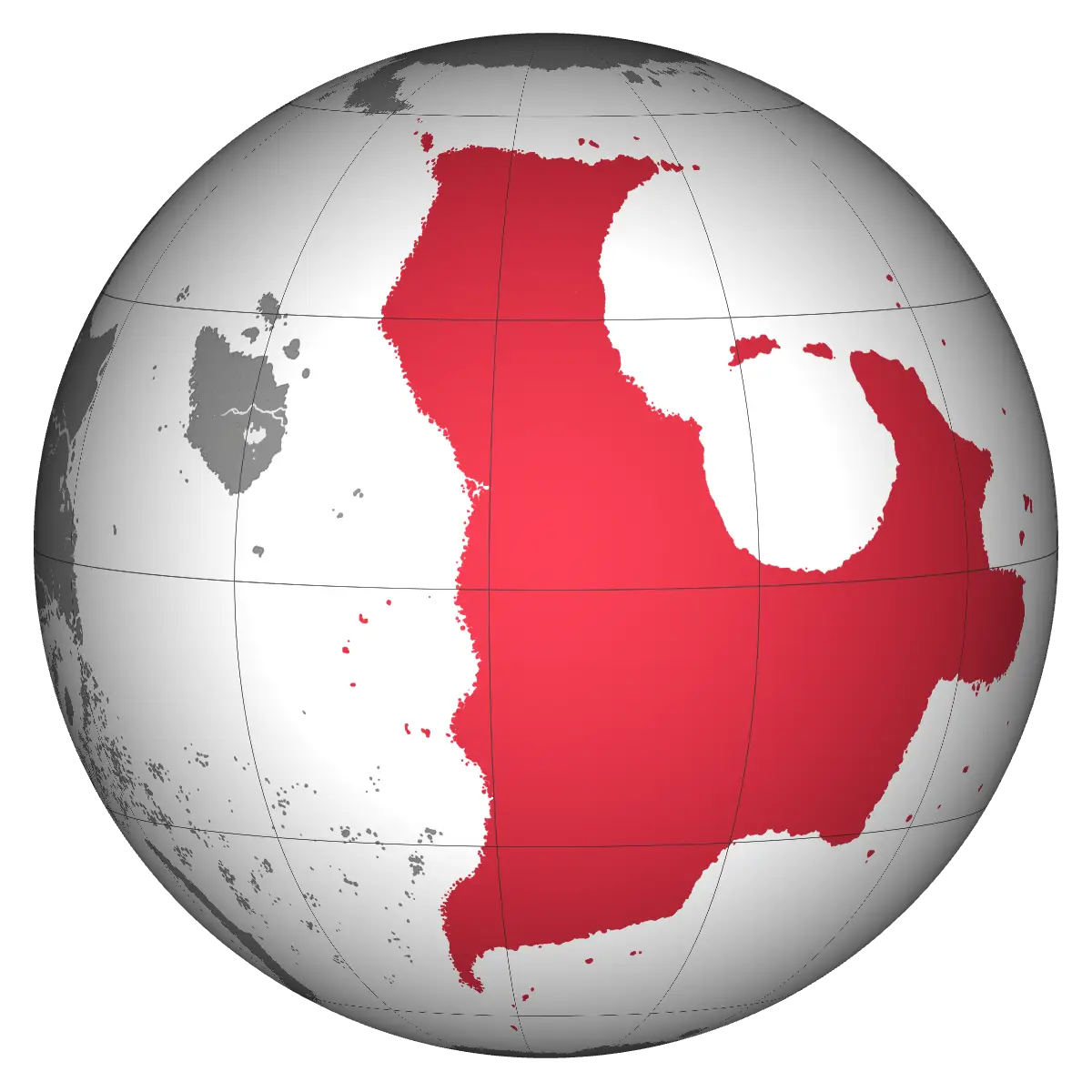
Home to many arcane leylines, Eteru is the largest continent of Abmarah. It is a deeply magical and mystical land, where the power of magic is woven into every corner of nature. To the north is the Scarlet Moorland, an elder forest considered sacred by the older religions that Aeteria tries to eliminate. The elves of Aeteria have occupied much of the northern half of the continent, burning parts of the moorland into a desert. Eteru also contains the Quosi Steppe, a vast grassland that stretches out as far as the eye can see, dotted with herds of wild horses and nomadic tribes inspired both by central-asian and native american cultures. The largest faction in this area is the mongol-inspired Morghül Khaganate. The Lintian Rainforest in the south is a lush and verdant expanse of land that houses the only true democracy on Abmarah, the Republic of Xi-Di inspired by chinese cultures.
In the eastern half of the continent are the Alfuin Badlands, a desolate and barren wasteland littered with the ruins of ancient civilizations that were destroyed at the end of the first era. It is home to the Mourning Court, the largest society of drow in the world. The badlands used to be part of the underdark, but the surface was destroyed and collapsed on top of them. They also contain the Rotshore, where mushroom and fungal life spreads and contaminates everything it touches. Eteru is more connected to Eqos than it is to Aurial, as trade between them crosses the Terminos Ocean.
Skion
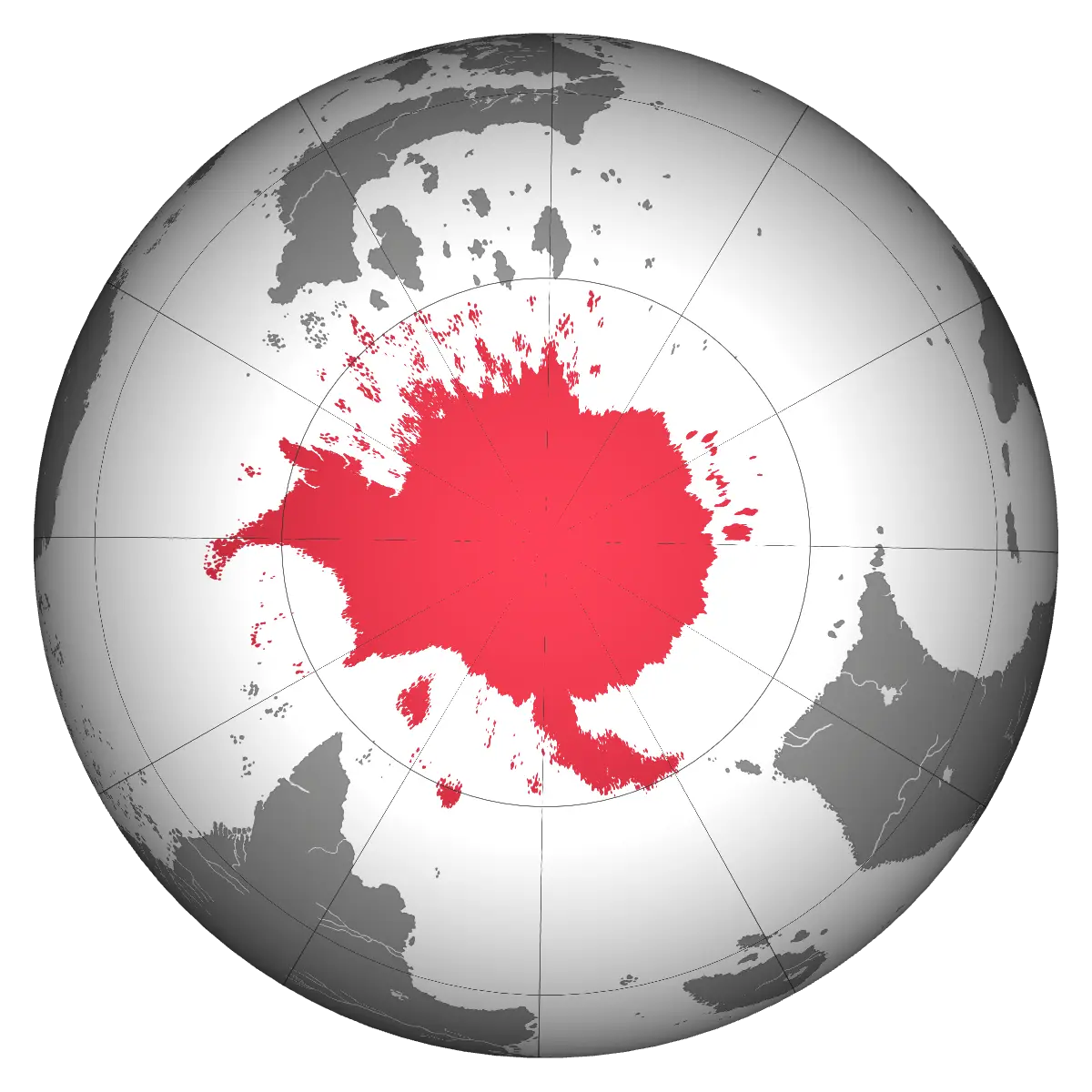
Known for its frigid temperatures and frozen wastelands, the northernmost continent of Skion is a harsh and unforgiving place. It is said to be the birthplace of humanity alongside Eqos, where the first humans emerged from the icy glaciers and learned to survive in the harsh environment. The continent is dominated by vast stretches of tundra and ice sheets, with few pockets of greenery or habitable land. The hardiest of people live in small communities scattered throughout the landscape, surviving through hunting and fishing in the icy waters. It is home to frost giants and white dragons, as well as many nordic-inspired cultures.
Amongst these city states and tribes is the Lunar Iron Territory, a large chunk of the continent colonized by the Lunar Collective. They have shifted their scientific laboratories to an underground chasm under the city of Gematirsk, where they conduct arcane experiments. These “Skion Labs” have become the forefront of science in Abmarah, but are layered in secrecy and mysteries. The eastern edge of the continent is also claimed by the islanders of the Sigmúnnlög.
Teer
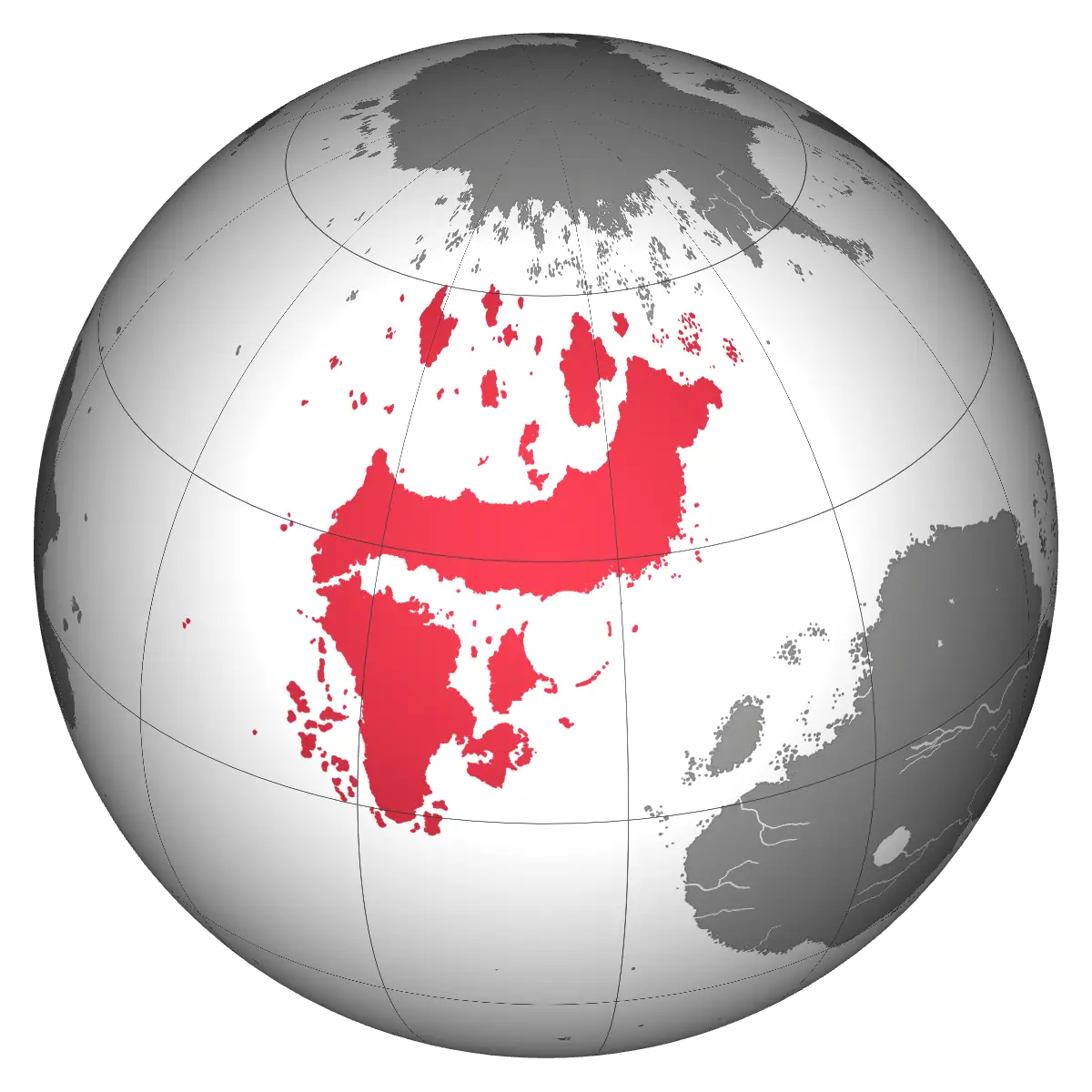
Teer, the smallest continent of Abmarah, is a rugged and isolated place characterized by icy mountains, fjords, islands, and active volcanoes. The continent is home to multiple scandinavian-inspired nations, including the Kingdom of Jördheim. The people of Jördheim are fierce warriors and skilled sailors, known for their raids on nearby continents such as Eteru and Eqos. Originally migrating here from Skion long ago, they control most of the continent in the present day.
Their capital city of Jördheim is a marvel of druidic magic, built into the heart of a colossal thousand-feet-tall “world” tree. The tree is a sacred symbol of their connection to the other realms, and their belief in the power of nature to sustain and protect them. There are other nations in and around Teer as well, including Jómagarðaríki in the east, the Tórviland Kingdom in the south, and the islanders of the Sigmúnnlög in the north. Despite their reputation as fierce raiders, the teerians are also famous as traders and merchants, exchanging their goods with the other nations of the world.
Underdark
While not technically a continent, the Underdark is an enormous system of subterranean caves, caverns, and tunnels located beneath the surface of Abmarah, mostly under Aurial and Eqos. Eteru used to have a much more expansive underdark system, but it collapsed in during the crisis and became the Alfuin Badlands. The Underdark also contains a vast underground ocean called Noxila Ocean, often said to be the fifth ocean of Abmarah.
The Underdark is not one giant cavern under Abmarah, but rather many huge networks of caverns and caves. As a result, it is not always possible to travel from one end of the Underdark to the other. It also contained many large underground seas, rivers, and lakes. Very few nations exist in the Underdark, and it is mostly populated by free cities. However, the Kingdom of Nûzabad and the Crimson Empire do hold some territorial claim on a few of these underground cities.
Oceans
Terminos Ocean
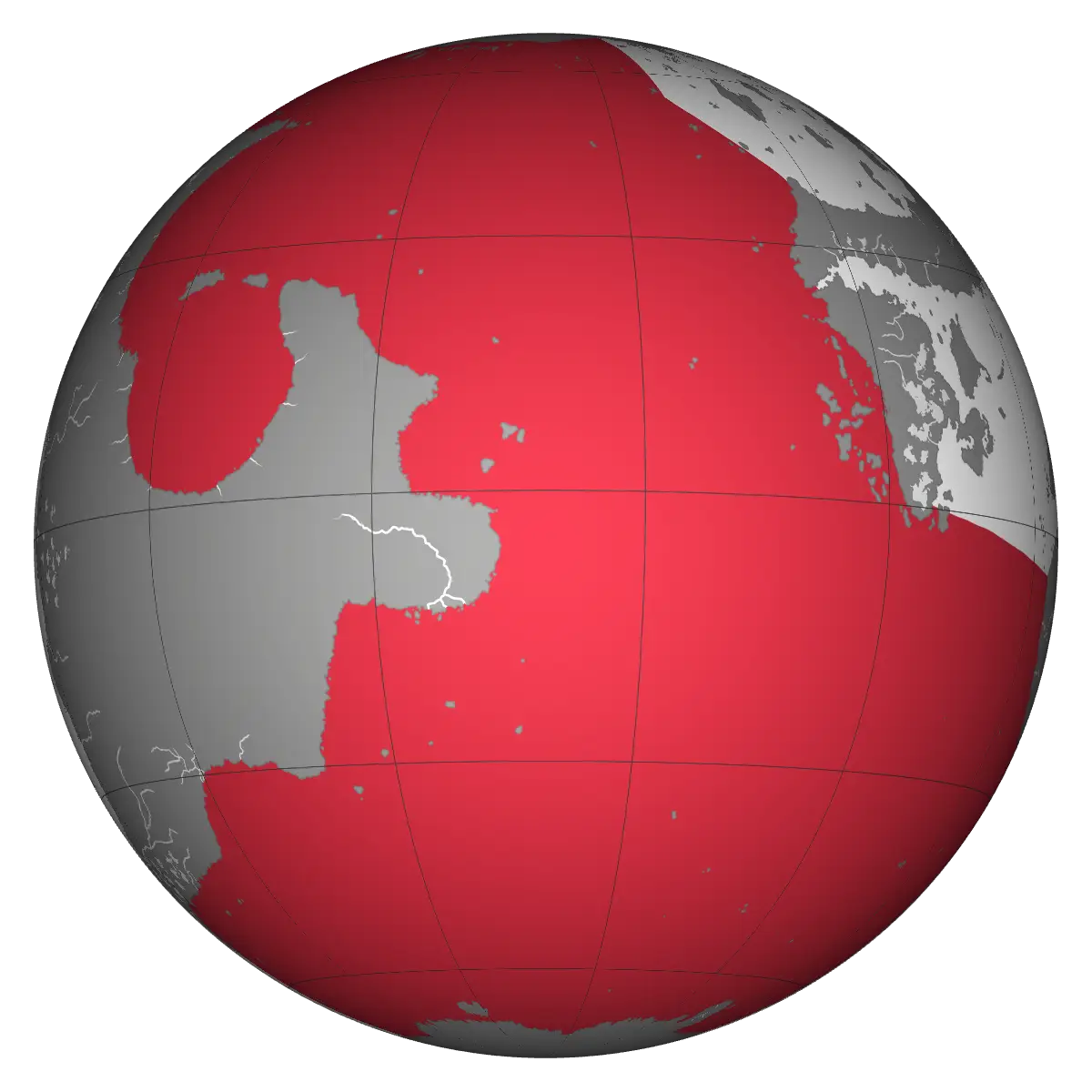
The Terminos Ocean is the largest and most expansive body of water in the world of Abmarah, a vast expanse of seemingly-endless ocean that stretches as far as the eye can see. The ocean is known for its deep blue color and powerful currents, which can be treacherous for even the most experienced sailors. Despite its size, the Terminos Ocean is relatively devoid of islands, with only a few scattered throughout its vast expanse.
Only experienced sailors have dared to cross it, using the few islands the ocean has as stepping stones to cross the divide between Eteru and Eqos/Teer. This is the only known safe route through the ocean, as the distance alone makes it difficult to cross anywhere else. The Terminos Ocean does have one pocket of civilization all to itself, being the island of Te Motuaotea.
Aurza's Chalice
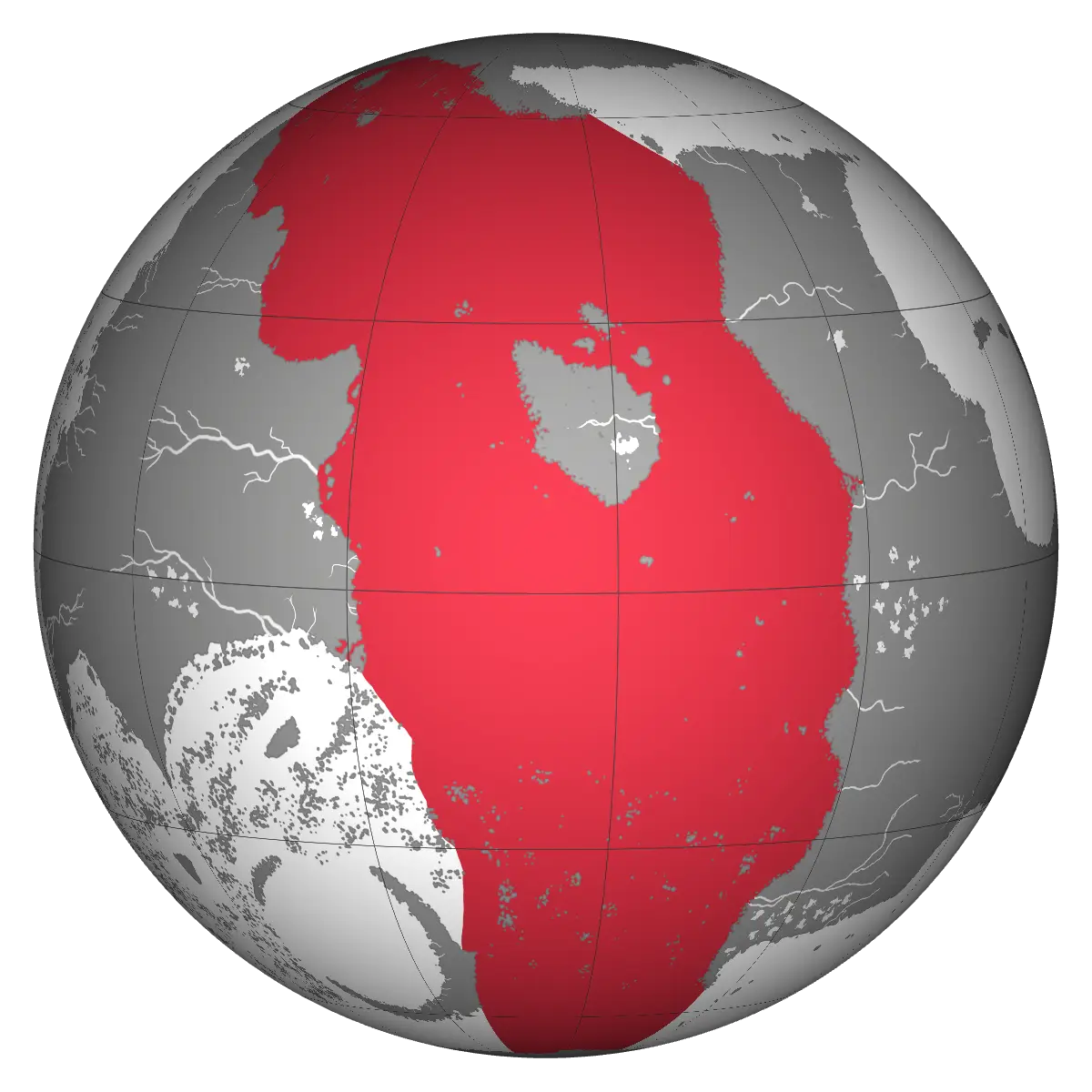
The second largest ocean, In between Aurial and Eteru lies the ocean called Aurza’s Chalice, a vast and azure body of water. The sea is named after the legendary elf Aurza, who is said to have created the sea as a gift to her people. The ocean is known for its calm waters and its abundant marine life.
At the heart of the ocean lies the large island of Aurzari, which is home to the theocratic high-elf nation called the Imperium Alvanum Aeternum, also known as Aeteria. The island is covered in dense, lush forests, which are home to many varieties of flora and fauna sacred and unique to the elven lands. Aeteria is the religious center of the world, and is the high authority of Jakunism. People from all over the world head to the island to make pilgrimages to the capital city of Alsorion, a magnificent floating city of red flora that hovers high above the island.
Istapphavet
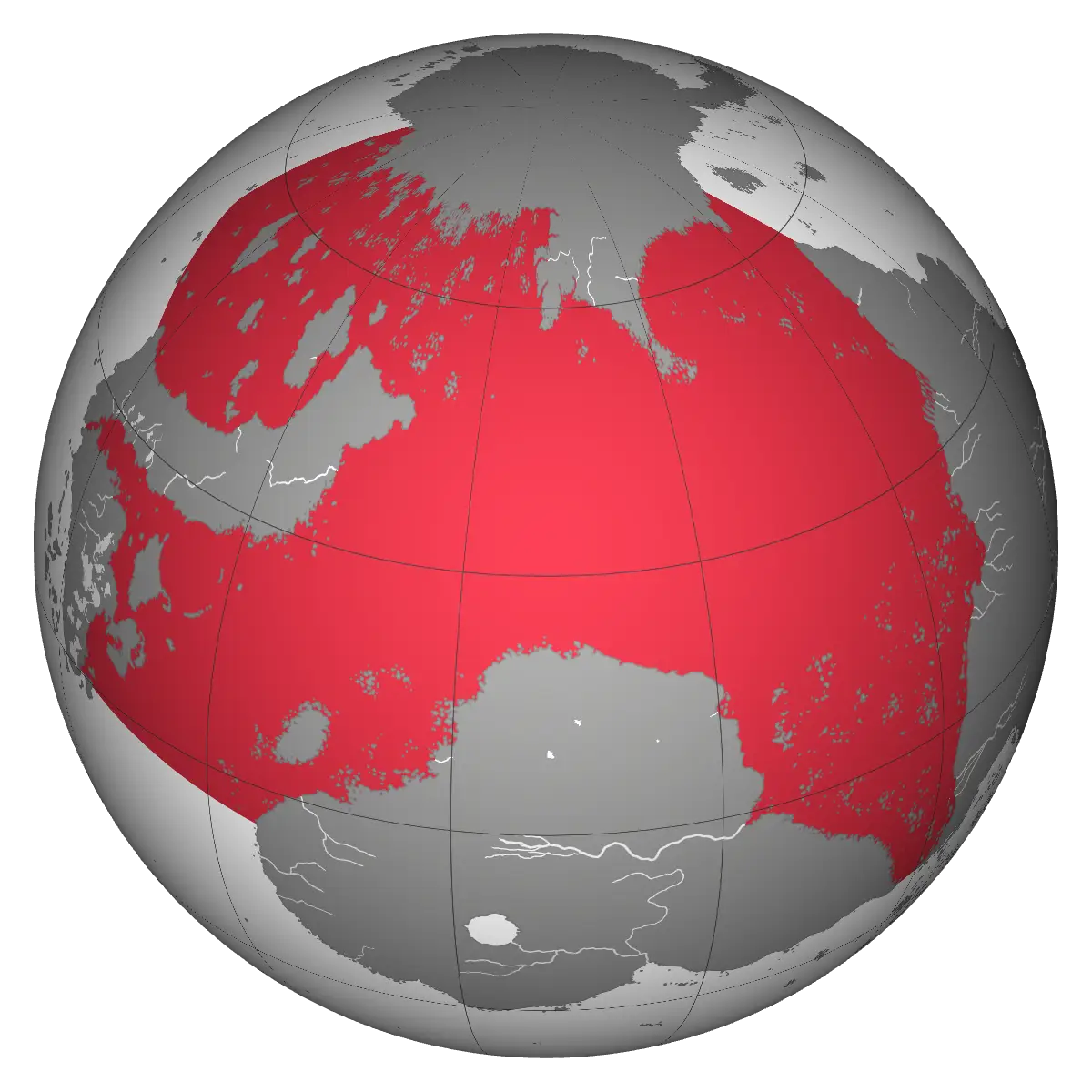
The coldest ocean of Abmarah, the Istapphavet is a northern ocean in between Skion, Aurial, Eqos, and Teer. Frigid winds from Skion create cold currents that keep the surrounding land masses cool, with the exception of the Goldroot Sea and the Ashfall Sea that have warmer climates due to the southern winds. While less so than the Blood Sea, piracy is especially rampant in the Istapphavet and its various seas. The Ashfall Sea contains the Ashfall Isles, a group of scattered islands in between Eqos and Aurial that are blanketed by seasonal ashfall from Kazarin Peak. It is one of the most contested over regions in the entire world, and countless wars have been fought over control over the isles. Part of the reason is the Kazarin Strait, the narrow gap between the two continents that an immeasurable amount of trade flows through. The Lunar Collective has claimed most of the isles in the modern day, incorporating them into the Lunar Zolá Protectorate. However, they continue to face insurrections and rebellions in the isles, and have failed to gain control of the islands controlled by the Kasaaqi Dynasty.
Kourā Expanse
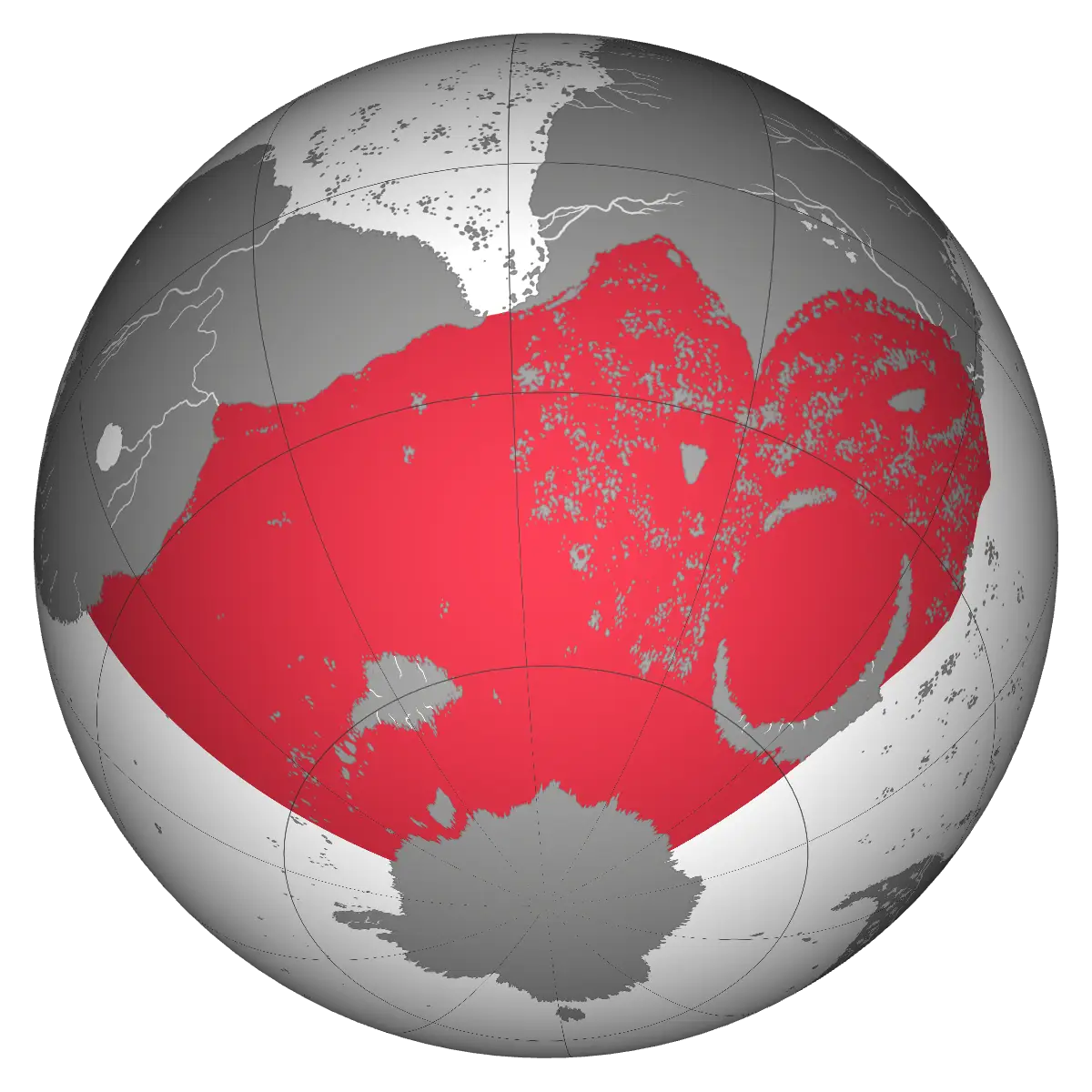
The smallest ocean and the warmest, The Kourā Expanse is the southern ocean of Abmarah and includes the shattered Blood Sea, teeming with life, islands, and civilization. The most prominent feature in its eastern half are the Mauoro Islands including the island of Xeycahiti, known for its tropical climate and numerous active volcanoes controlled by the Excansuyu Alliance. The control of the ocean belongs primarily to the underwater civilization of Tritons known as the Aethian Dominion. They live in vast underwater cities, built from coral and quartz. A subset of the ocean is the Blood Sea, which used to be the southern half of Aurial before the cometfall. Containing thousands of shattered islands, it is a shallow sea full of ruins and many vying factions, such as the Crimson Empire, the Lunar Collective, the Pirate Lords, as well as the Cinoh Shogunate, a japanese and indonesian inspired island nation.
The Blood Sea further contains the Cometfall Sea within it, a yet-unclaimed sea that was the epicenter of the Cometfall, said to be cursed. Much of the Blood Sea flows deeper down into the Noxila Ocean of the Underdark, which is said to be the secret fifth ocean of Abmarah. Various trenches and caves connect the two oceans through the shallow oceanic crust, and many of these entrances are guarded by Tritons.
Beyond the Sky
The Sun of Abmarah is much like our own, a bright yellow ball that rises in the east and sets in the west. Its sunshine and warmth give life to the world and are seen as a divine blessing of the gods. In Eqos, many cultures call the sun Sorya.
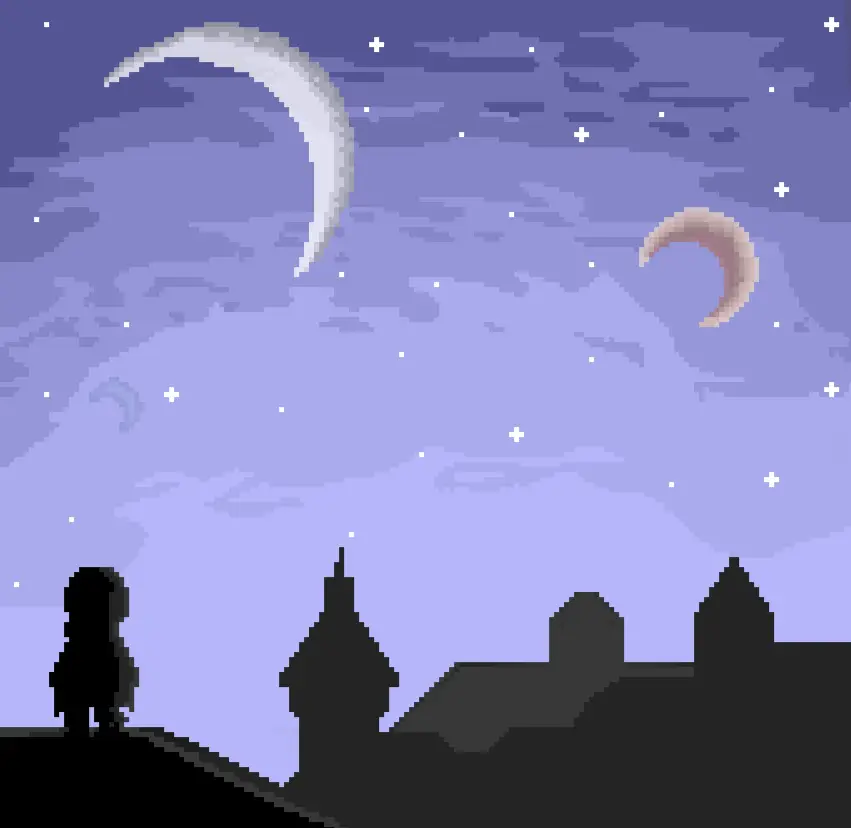
At night, we see the three moons of Abmarah. Lunaa is the largest moon, a white-silver world much like Earth’s Moon. The second largest moon is a gold-brown desert world known as Hirana. Lunaa and Hirana are visible on nearly all nights, taking up a good part of the sky and shining brightly. Lunaa is on a regular one-month orbital cycle, while Hirana is on a two-month cycle. The smallest moon is known as Strari, a tiny blue world much further out than the other two. On a rather long 98-day cycle and outshined by the two larger moons, many people fail to even spot Strari in the sky on most nights. Strari is often said to be cursed, and people born under the bluemoon are considered to be unlucky.
The planet is close-by to an asteroid belt, and as such sees regular meteor showers and meteorite impacts. While the Cometfall Sea created by the Cometfall is the most obvious supercrater, Abmarah has a lot of large impact craters dotted around the world amidst countless smaller ones. An example of such a crater is Hafra Lake in Eqos.
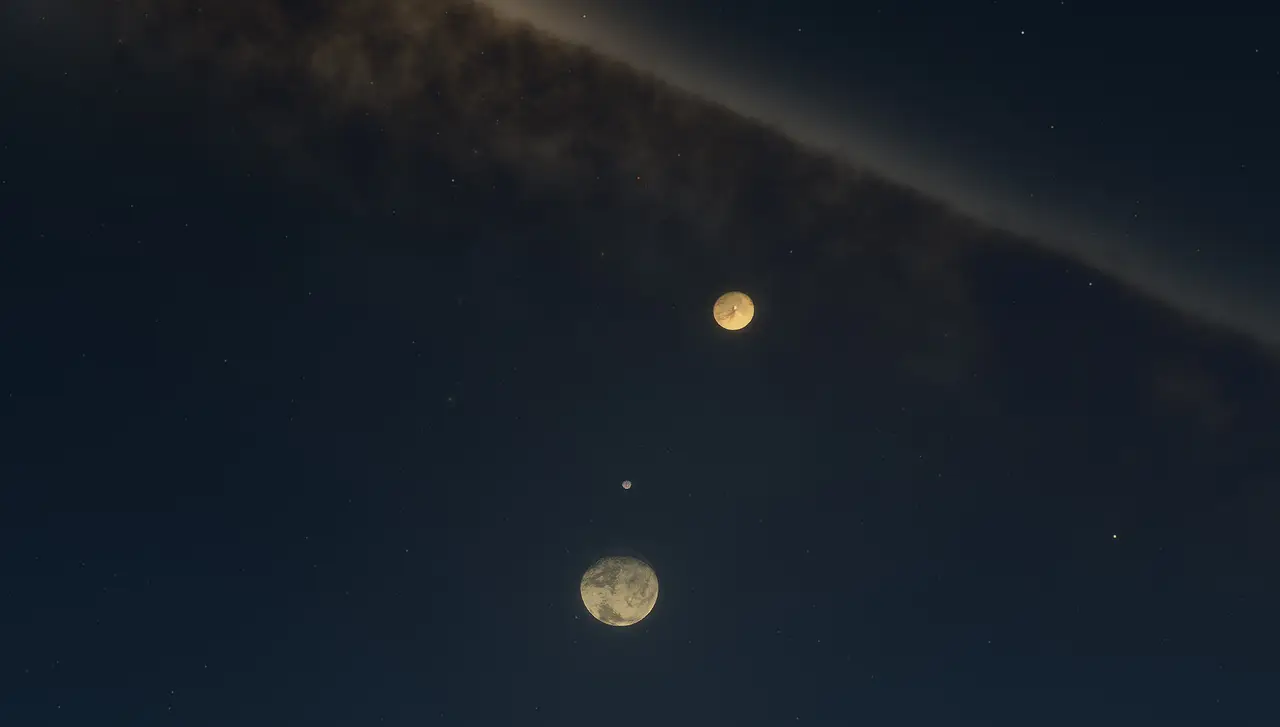
The vacuum beyond the sky is known as Voidspace, and is home to many spacefaring fantasy settlements. Many eldritch creatures and species find their home here, such as the Vezaborn or the Faiiali. Beyond its edge, Voidspace connects into the Astral Sea.
Climate & Seasons
Abmarah has a wide range of climates and distinct seasons. The planet's climate varies from region to region, influenced by the unique geography and atmospheric conditions of the location. Most of the abmari population is gathered in the equatorial tropical latitudes which experience five seasons including monsoon rains. Spring is the shortest month of the year, with winter generally being the longest. The rest of the planet experiences longer summers and autumns without excessive rainfall.
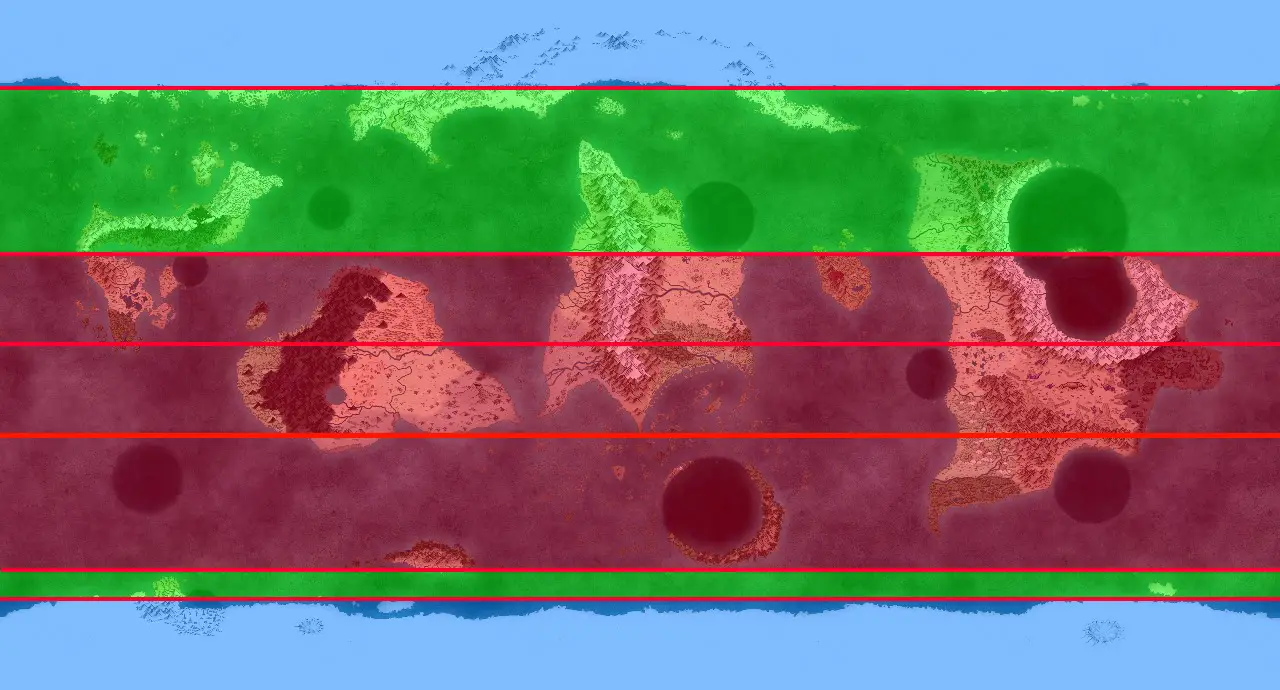
One unique thing about Abmarah's temperature zones is that following the Cometfall, the temperature and climate of the southern hemisphere was magically altered. The northern hemisphere has earth-like separations between the equatorial tropical zones, subtropics, temperate zones, and polar zones. However, post-cometfall the southern hemisphere saw the tropics and subtropics extend much further south, creating an uneven temperature distribution in the planet's climate and causing the southern half to have more prominent rainforests. This in turn causes a significantly more intense monsoon rainy season called ‘Monsoon’ across much of the world.
The monsoon season is defined by prolonged periods of heavy rainfall. This occurs as moist air masses from the oceans are drawn inland by seasonal winds, leading to intense and sustained precipitation. The monsoon season is necessary for agriculture and nature across the equatorial regions, especially in the Edeni Expanse and the Cinder Steppe. The Blood Sea and the Xoenni Peninsula in the east also experience this annual rainy season, feeding their rainforests. While the Kav’orra Desert does not experience this rainy season, the Goldheim Rainforest and many of the Ashfall Isles do.
Society
Cultures & Languages
The following are the most prevalent and largest ethnic groups to be found in Abmarah during the last two millennia. These mostly refer to human ethnicities, but contain all the varios species found on the planet. Specific racial subcultures are also stated here.
A character can learn any of these cultural languages in addition to the languages granted by their background, class, or race, depending on where their character is from and discussing with their DM. Dungeon Masters should also give these languages to relevant NPCs, and try to use them in day-to-day conversations in the world. However, if dealing with constant translations is not a part of roleplaying that appeals to your players, feel free to ignore these languages and use common across the board.
Eqos
Old Eqosi / Edeni: Dark-skinned peoples found in Eqos, often said to be one of the first humans to exist. They are more likely to be the origins of modern humans, and many of them migrated over time into Aurial and Eteru. They spoke an old Primordial language long ago, but nowadays they are found across the Edeni Expanse and speak various real-life african inspired languages, although the most common one we use as a basis is Swahili, here called Edeni, written using the Arabic or Latin scripts due to nearby influences.
Rethori: Brown-skinned peoples found near the banks of the Rethi River in the Kav'orra Desert & Edeni Expanse. They have farmed in the floodplains for millennia, and have diversified greatly. They include the Kasaaqi, Rethvi, Dibayadi, Kav'orri, and Kaitzuri cultures in the modern day. The largest of these is the Kasaaqi culture based around the titular city, who speak the language Kasaaqi based on real-life Hindi-Urdu. The Rethvi speak the language Rethvi based on real-life Bengali, the Dibayadi speak the language Dibayadi based on real-life Persian, the Kav’orri speak the language Kav’orri based on real-life Marathi, and the Kaitzuri speak the language Kaitzuri based on real-life Punjabi. Kasaaqi and Kav’orri are written using the Devanagari script, Dibayadi and sometimes Kasaaqi are written using the Perso-Arabic script, Rethvi is written using the Bangla script, and Kaitzuri is written using the Gurmukhī script.
Ammban: Influenced by the nearby Rethori culture group, the Ammban people are mostly darker-skinned desert-dwarves and humans that reside around the city of Ammba. They are well adapted to the harsh sun and rugged terrain, and are famous for their cuisine. Far different from typical dwarves as found in other lands and realms, they are inspired by real-life Rajasthani cultures and speak a language called Ammban, based on real-life Marwari written using the Devanagari or Dwarvish scripts.
Varkosi: Brown-skinned peoples found on the southern coast of Eqos, mostly within the Varhamsat Khadumate. They speak a language calledVarkasi, based on real-life Arabic written using the Arabic script. Loosely connected to Varkosi but on the entirely different side of Eqos, the Shhaian subculture is a mysterious peoples found on the dark northern coasts of Eqos near al-Fahim.
Swarnan: A brown-skinned peoples named after the Swarna Authority, they are found within the Goldheim Rainforest of western Eqos. Inspred by the real-life dravidian cultures of southern India, they speak the Wesalam language, based on real life Malayalam written using the Malayalam script. They are also connected to the Vedar culture of Vanadweep, where the mostly vedavin population speaks a language called Vedar, based on real-life Tamil written using the Tamil script.
Magran: An ancient culture still followed by the dragonborn and humans of the Km’mala Peaks, they influenced the nearby Dibayadi and Varkosi cultures. A tribal culture used to the harsh mountains, they are said to protect the realm from invasion by the Elemental Plane of Fire. While they used to speak the classic Draconic language, these days they speak the Magran language based on real-life Tibetan written using the Tibetan script. A subculture in the northern peaks is known as Koorjei, based around the valley of Koorjing. They speak the language Koorjei based on real-life Meitei written using the Meitei script. Many of the dune-orcs who migrated to Eqos from Eteru adopted the culture of the peaks.
Kazareth: A hardy dark-skinned peoples, found in the ashen Edeni around the supervolcano Kazarin Peak. They are said to have descended from the Edeni peoples long ago. They have a subculture called Casaran, which is the group that expanded into the Ashfall Isles and adapted into a more seafaring tradition. They speak a language known as Casthic, based loosely on real-life turkic languages. A newer group called Zolan formed from the rapid colonization of the Casaran people by the Lunar Collective. Their culture, identity, and language have been forever changed under colonial rule.
Jamran: A mixed-species culture formed out of the largest city in the world, Jamre. The melting pot of culture, although originally Edenian, has formed a new identity separate from the rest of the Edeni Expanse. They speak various languages, although the most common one is called Jamran, based on real-life Zulu.
Vurmese: A fusion culture born when the varangian teerian adventurers from Jördheim invaded and settled down in the western coast of Eqos, and slowly merged with the local cultures within the Vurmark Raj. They speak a language called Vurmish based loosely on both Nordic and Burmese languages. It is written using either the Malayalam script, the Burmese script, or even the Runic script.
Vyzumi: A migrant culture of varying skin colors, formed by the settlers, refugees, and colonists that fled Aurial during the Great Aurian War and settled down in the Vyzum Wastes of Eqos amidst natives. They generally speak most nearby languages as well as Lunarian, the language of the Lunar Collective based on real-life Russian and Ukrainian, written using the Cyrillic script. They have a unique subculture known as the Junkers, who formed out of the city of Newhope where the Vyzumi residents started to believe in the scrapyard beliefs and inventive culture that the city is famous for.
Aurial
Cinderan: The Cinderan peoples are a slavic-inspired light-to-olive skinned peoples found in the Cinder Steppe of southwest Aurial. They are one of the oldest ethnic groups on Aurial, and used to speak the Old Cinderan language, which has now evolved into the Lunarian language based on real life Russian and Ukrainian. They also contain the subcultures of the Alphan dwarves, as well as the Zinish culture of southern Aurial.
Olzarian: Found on the northeastern coast of Aurial, the Olzarians are a light-skinned peoples found near the city of Olzaria. They speak the Terrosi language in the modern day, based on real-life German. The capital city of Timeron, a melting pot of culture, has given rise to a new cultural identity called Terrosi. They are said to be a descendant of both Olzarian and Etabard cultures, formed when the Etabards were controlling the city.
Etaschi: Found primarily in the Etaschi Fields, these celtic-inspired peoples are divided from the Olzarians by the Etasch River. They speak a language called Etaschi, inspired by real-life celtic languages such as Irish, Gaelic, Welsh, and Scottish.
Sombian: Found in south-eastern Aurial and named after the city of Sombus, this is a new mixed-race culture that has grown in the third era under the Crimson Empire. Based on the anglo-saxons of real life, the Sombians were heavily influenced by all the cultures around them. They speak a language called Sombish, based on real life English and possibly the basis of the abstact Common language of D&D.
Førish: Light-skinned peoples descended from the original humans of Skion, found in the northwestern parts of Aurial. Named after their Kingdom of Førland, they speak the Førish language based on real life Danish.
Fioskish: Light-skinned peoples found in western Aurial, descended from the Cinderans and the Førish cultures. They primarily make up the Queendom of Fioska. They speak the Fioski language, based on real life Polish.
Alzarran: Olive-skinned peoples found on the central-east coast of Aurial, primarily around the city of Alverona and the Balena Bog. They speak the Alzarran language based on real life Italian.
Etabard: Light and Olive skinned peoples that are found in the southeastern corners of the Kingdom of Zietaria, primarily around the city of Etabrück. They are a descendant of both Alzarran and Olzarian cultures.
Voghans: The Voghans are the dwarves of northern Aurial, distinct from the southern Alphan dwarves. They are the closest to the stereotypical dwarvish culture seen in D&D or LOTR, and speak the Dwarven language.
Aurks: These orcs are the descendants of the orcs brought to Aurial to fight in the The Great Aurian War, and never returned to their eterian or eqosi homelands. They have developed a unique tribal culture in Aurial, closest to the stereotypical orcish culture seen in D&D. They speak the Orcish language still.
Eteru
Xan: Found across the Xoenni Peninsula, this mixed-race culture is heavily inspired by chinese cultures. They speak a language called Xiuhua, based on real life Mandarin and Cantonese.
Magraks: Containing the 'original' orcs as well as humans, this culture is heavily influenced by the steppe cultures such as the Mongols. Found across the Quosi Steppe, they are a nomadic people.
Courtiers: Also known as the Court Drow, this predominantly dark elf subculture is found in the Mourning Court across the Alfuin Badlands. Having been forced to experience the surface after thousands of years without the light, they have developed a distinctly different culture from other drow.
e
Teer
Teerish: Light skinned peoples found on the continent of Teer, made up of migrants from the Skiosi cultures. They speak a language called Teerish, based on real life Swedish.
Jordic: Light skinned peoples descended from both Teerish and Skiosi settlers. They worship the World Tree and have grown their colossal city-trees on the continent. They speak a language called Jordic, baesd on real life Norwegian.
e
Skion
Old Skiosi: Light-skinned peoples found in Skion, often said to be one of the first humans to exist. While less likely to be the origin of all humans as compared to the Old Eqosi, they are the ancestors of most of the northern cultures. Most of them migrated southward into Aurial and Teer. They spoke the Skiosi/Giant language based on real life Old Norse.
e
Others
Aeterian: The 'original' culture of the Elves, they are mostly found in the Aeterian Islands in Aurza's Chalice. They are the closest to the stereotypical elves found in D&D or LOTR. They speak the Elvish language.
Aethian: Mostly consisting of Tritons as well as some other underwater peoples, they are found primarily underwater in the Aethian Dominion. They speak an ancient language called Sigmish, based on real life Greek.
Cinohan: Light-skinned peoples descended from settlers from Eteru, who developed their own culture on Crateredge Island within the Blood Sea. Named after the Cinoh Shogunate, they speak the Cinohan language based on real life Japanese.
e
Religions
TBD
Arcana & Technology
TBD
Currency
While all the different nations mint their own coins with figures and designs, all regions use platinum, gold, silver, and copper coins. While platinum is not used in everyday life, many merchants would readily accept it. While spending ancient coins gained from ruins might be a waste of their value in a collector's eye, gold is gold.